
Container House Material List
The main materials for container houses include steel, sandwich panels, door and window materials, flooring materials, and auxiliary accessories, as detailed below:
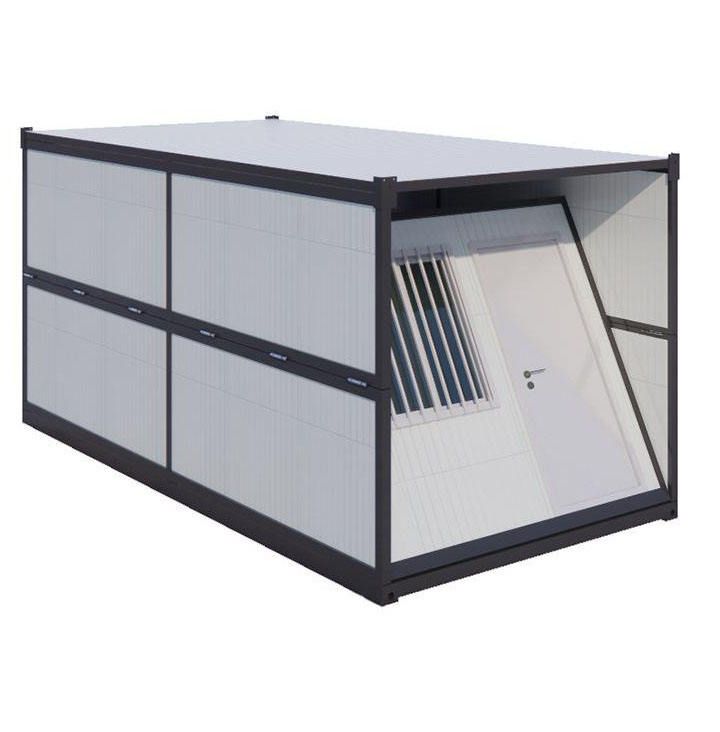
1. Steel
Steel is the core structural material for container houses, including channel steel, angle steel, and square tubes. Channel steel is used for welding the main crossbeams around the top and bottom of the house, with 5×10 channel steel being a common specification. Angle steel and square tubes are used for columns and frame connections, with column thickness typically not less than 1 millimeter, requiring professional equipment for shaping. Steel needs to have high strength and corrosion resistance, with some manufacturers using hot-dip galvanizing to enhance rust prevention and ensure structural stability during long-term use.
2. Sandwich Panels
Sandwich panels are used for walls and roofs, directly affecting the house's insulation and fire resistance. Common types include:
- Rock wool panels: Approximately 60 millimeters thick, covered with iron sheets, featuring Class A fire resistance, moisture resistance, sound insulation, and heat insulation, with a higher price but outstanding safety;
- Polyurethane foam panels: Excellent insulation performance but with a lower fire rating than rock wool panels;
- Glass wool panels or EPS panels: Lower cost, suitable for scenarios with lower fire resistance requirements.
3. Door and Window Materials
Doors and windows need to balance durability and comfort:
- Aluminum alloy doors and windows: Lightweight, corrosion-resistant, with good insulation and heat resistance, making them the mainstream choice;
- Plastic-steel doors and windows: Lower cost but slightly weaker durability;
- Thermal break aluminum doors and windows: Used in high-end projects, offering superior heat insulation.
Some houses also install skylights or ventilation facilities to improve lighting and air circulation.
4. Flooring Materials
Flooring needs to support human activity and meet comfort requirements:
- Cement fiber boards: Durable and commonly used in industrial-style houses;
- Steel-wood composite floors: Combining steel and wood for both strength and foot feel;
- Wooden floors or floor tiles: Laid over cement fiber boards in high-end decorations to enhance aesthetics.
5. Auxiliary Accessories
- Corrugated panels: Made from thin steel sheets, used for roofs or walls, with a thickness not less than 0.6 millimeters, available in black iron and galvanized sheet materials;
- Sealants and waterproof materials: Ensure the house is moisture-proof and leak-proof;
- Fasteners: Such as screws and rivets, used for connecting frames and panels.
Material Selection Advice:
Prioritize materials with excellent fire and corrosion resistance (such as rock wool panels and hot-dip galvanized steel) and adjust configurations based on usage scenarios. For example, long-term residential projects can add sound insulation materials and smart furniture interfaces, while temporary housing can simplify interiors to reduce costs.



