
Does Container House Have Lightning Protection?
Container houses generally have lightning protection capabilities, but they need to meet specific design requirements or be equipped with lightning protection devices. The principles and specific measures of lightning protection are as follows:
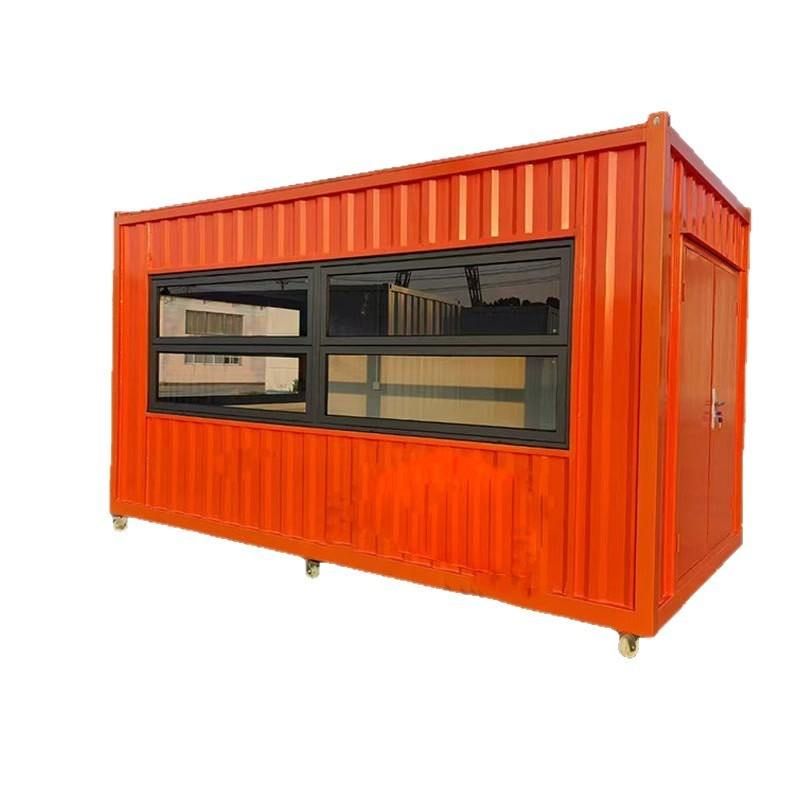
I. Lightning Protection Characteristics of the Metal Structure Itself
The main body of a container house is made of metal materials. According to the Faraday cage principle, when lightning strikes the metal box, the charge will be evenly distributed along the metal shell and conducted into the ground, without penetrating the interior of the box. This characteristic gives it a natural advantage in avoiding lightning in thunderstorm weather, similar to the safety principle of an airplane fuselage in a thunderstorm. For example, a residential container forms a conductive path through the steel structure connected to the foundation, allowing the current to dissipate quickly. At the same time, insulating materials are used indoors to further reduce the risk of electric shock.
II. Lightning Protection Design Required by Regulations
For energy storage containers or electrical containers, lightning protection design must strictly comply with national standards:
- Standard Basis: It must comply with the "Technical Code for Lightning Protection of Building Electronic Information Systems" (GB 50343) and the "Design Code for Lightning Protection of Buildings" (GB 50057) to ensure the safety of electrical equipment and personnel.
- System Configuration: A high-quality lightning protection system should be installed on the roof and connected to at least two grounding bars through grounding flat steel or round steel. If the container is not within the original lightning protection coverage area or does not meet the first-level lightning protection requirements, a separate lightning protection device must be installed.
- Grounding Requirements: All grounding posts should be kept clean (without paint or rust), welded to the box body at the same potential, and connected to non-functional conductive conductors (such as metal shells) to form a reliable equipotential network.
III. Lightning Protection Enhancement in Special Scenarios
- Electrical Containers: When equipped with devices such as inverters and transformers, in addition to the lightning protection of the box body, it is also necessary to ensure that the devices are properly grounded to prevent induced lightning from damaging the main control boards through static electricity or electromagnetic induction. For example, a certain inverter experienced an increased failure rate due to lightning strikes because it was not grounded. After strengthening the grounding, the problem was significantly improved.
- Outdoor Environments: When used near high-voltage transmission towers or in open areas, additional assessment of lightning strike risks is required, and lightning rods or lightning protection nets should be added if necessary.
IV. Safety Hazards of Non-Lightning Protection Design
If the container uses flammable sandwich materials (such as polystyrene) or the electrical wiring is not laid in a standardized manner, it may cause secondary disasters such as fires. However, these issues are not directly related to lightning protection and need to be solved by selecting Class A fire-resistant materials and standardizing the wiring.



