
Container House Light Switch
The selection of light switches for container houses should be based on installation methods, functional requirements, and usage scenarios. Common types include surface-mounted switches, smart sensor switches, remote control switches, and specially designed switches. The following is an analysis from different perspectives:
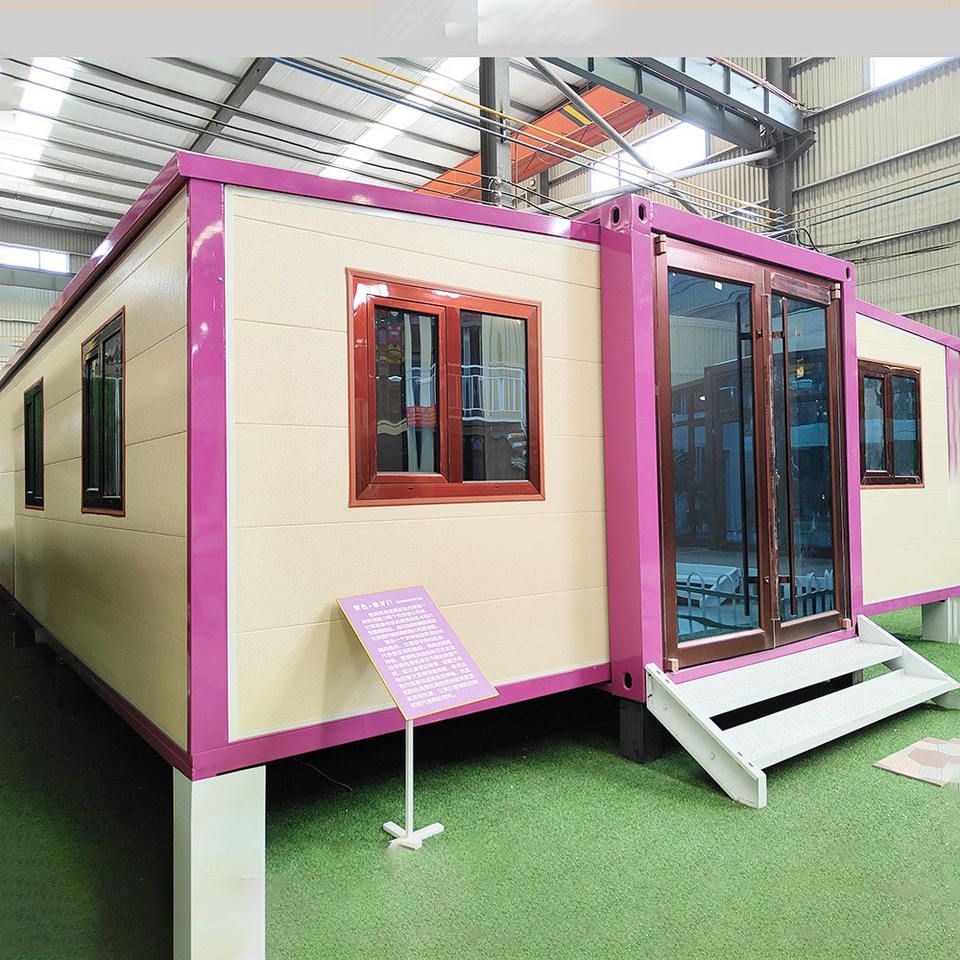
1. Surface-mounted switch sockets: The mainstream choice for container houses
Due to the special wall structure of container houses, surface-mounted switch sockets have become the mainstream solution. They are produced using full PC flame-retardant materials, with a honeycomb anti-crack design at the base, enhancing sturdiness by over 30%. They can be installed directly with nails, without the need for pre-embedded wires or bottom boxes, offering flexible wiring and convenient post-maintenance. These switches come in high, medium, and low grades, with a variety of panel colors (such as white, gold, and gray). Some products are equipped with tempered glass panels to meet different aesthetic needs. For example, a manufacturer's surface-mounted series of switch sockets meet national flame-retardant standards and are suitable for scenarios such as movable board houses and mobile homes.
2. Smart sensor switches: Enhancing convenience of use
For the temporary or functional needs of container houses, smart sensor switches can optimize the lighting experience. For instance, cabinet lights and wardrobe lights often use touch switches, human body sensor switches, or hand-sweep switches, supporting centralized control functions. Users can trigger the lights through touch, waving, or door control, avoiding manual operations. Some products also feature a detachable design for easy post-maintenance. Additionally, bathroom mirror touch switches integrate time, date, and temperature displays, as well as LED light defogging functions, further expanding the application scenarios of smart switches.
3. Remote control switches: Solving wiring challenges
For completed container houses, remote control switches can eliminate the need for rewiring. Wireless remote control switches support 220V household voltage and enable dual or multi-control of lights through master-slave switches or remote control. Some products also feature wire-free characteristics, suitable for scenarios such as exhibition halls and bedsides. For example, a brand's 433 single-channel wireless switch can remotely control water pumps, lights, and other devices, with a 7-day replacement guarantee and 48-hour shipping, meeting rapid deployment needs.
4. Specially designed switches: Addressing power outage and energy-saving challenges
For potential power outages in container houses, some patented design switches integrate batteries and energy-saving components. For example, the lighting mechanism developed by Guangdong Sidi Construction Technology Co., Ltd. achieves flexible lighting through movable slots, rotating chambers, and energy-saving components. In the event of a power outage, it can automatically switch to battery power, reducing reliance on external power sources while supporting quick disassembly and maintenance, enhancing usage flexibility.



