
Container House Leak Sealant
Container house leaks can be repaired using specialized sealants such as Jitai 123 chloroprene rubber sealant. Here is a detailed analysis:
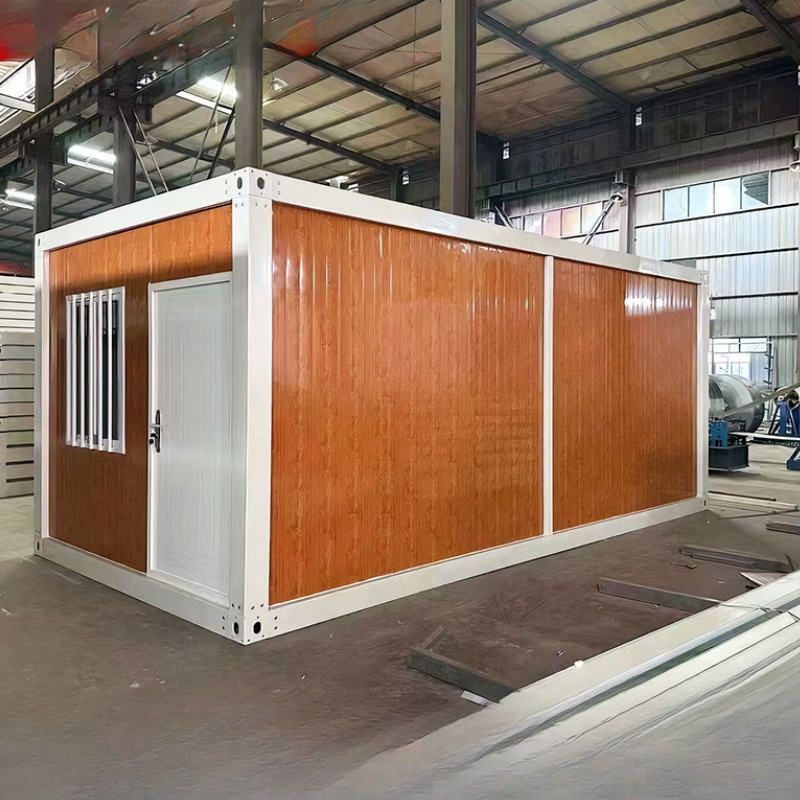
1. Main Causes of Leaks in Container Houses
Leakage issues in container houses are primarily concentrated at welds, seams, and panel connections. Metal panels may experience gap expansion due to thermal expansion and contraction, construction errors, or long-term use during welding or splicing. Rainwater or moisture can penetrate indoor spaces through these weak points, causing wall dampness and damage to items.
2. Suitability of Specialized Sealants
Given the metal properties of container houses, it is essential to choose sealants with a chloroprene rubber base. For example, Jitai 123 chloroprene rubber sealant is specifically designed for containers and offers the following advantages:
- Strong adhesion: It can directly adhere to metal surfaces such as iron, aluminum, and galvanized sheets without the need for a primer, ensuring firm bonding even if welding slag is not completely cleaned.
- Weather resistance: It maintains elasticity in extreme temperatures ranging from -20℃ to 80℃, preventing cracking in winter and stickiness in summer, and adapting to the long-term outdoor exposure of containers.
- Aging resistance: It dries quickly (approximately 10 minutes) and forms a flexible sealing layer after curing, resisting detachment due to thermal expansion and contraction, with a service life of over 3 years.
- Easy application: The sealant has a matte gray color that coordinates with the industrial-style container, and it supports vertical and inverted applications without sagging, making it suitable for complex seam operations.
3. Application Steps and Precautions
- Clean the seams: Use a wire brush or high-pressure water gun to remove rust, oil, and loose particles from the welds, ensuring the surface is dry and dust-free.
- Sealant application technique: Evenly squeeze the sealant into the seams and press it flat with a scraper to form a continuous sealing layer. For wide seams or areas with many burrs, fill them in two applications.
- Curing test: After letting it stand for 10 minutes, perform a water pouring test to confirm no leakage before putting it into use.
- Regular inspection: It is recommended to inspect the sealing layer every six months and promptly repair any local cracking or detachment.
4. Other Optional Materials
If the leak points in the container house are located on non-metal roofs or walls, general waterproof materials such as butyl tape (suitable for crack repair) and polyurethane waterproof coating (suitable for large-area application) can be considered. However, ensure compatibility with metal substrates.



