
Interior Configuration of Container Houses
The interior configuration of container houses is rich and diverse, covering basic, living, environmental regulation, energy and water supply, and other aspects.
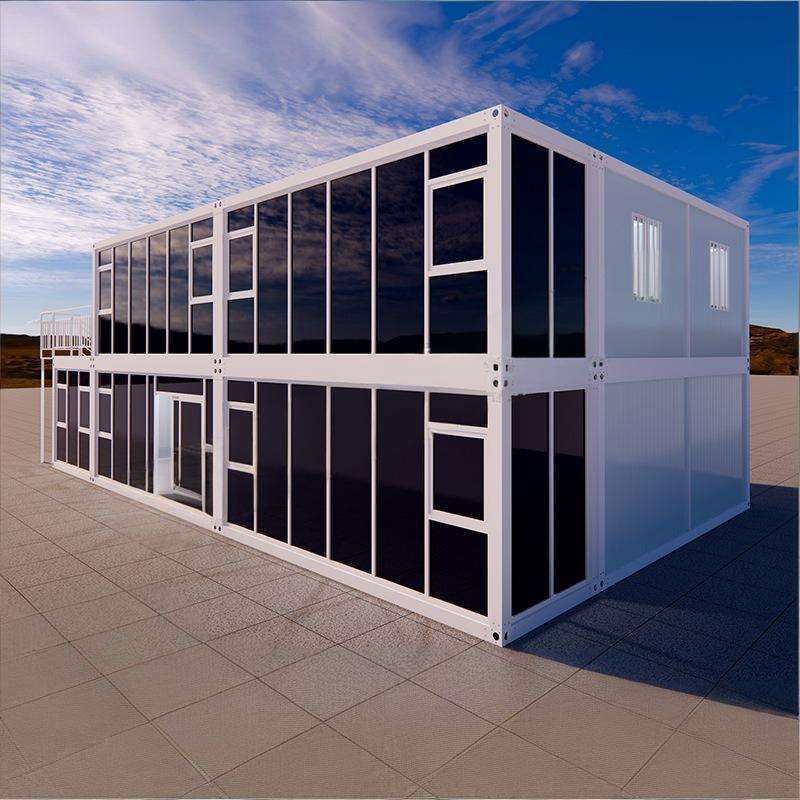
Basic Configuration: Container houses are equipped with anti-theft doors and plastic-steel windows to ensure safety and facilitate lighting and ventilation. Inside, there are air-conditioner sockets and leakage protection devices to ensure electrical safety. Lighting is provided by LED ceiling lights, which are energy-efficient and sufficiently bright, while some are also equipped with two ordinary light bulbs to meet different scenario needs. The floor is laid with fire-resistant flooring, and the wall and ceiling panels also have fire-resistant and electrical-insulating properties. They are made of materials such as steel plates, sandwich panels, aluminum windows, channel steel, and PVC flooring, making them sturdy and durable. Additionally, multiple sockets and switches are installed for the convenience of using electrical appliances.
Living Configuration: The interior space of the house is reasonably laid out, allowing for the placement of 4 to 6 bunk beds, accommodating 8 to 10 people while still leaving ample space for activities. In terms of furniture arrangement, simplicity and practicality are emphasized. Foldable tables and chairs are provided for easy storage and use; custom-made integrated cabinets offer sufficient storage space; the beds are comfortable to meet rest needs; and there are also multi-functional storage spaces to store various items, keeping the interior tidy and organized.
Environmental Regulation Configuration: To cope with different weather conditions, container houses can be equipped with air conditioners to regulate indoor temperature during extremely hot or cold weather. At the same time, ventilation equipment is installed to ensure air circulation. There are natural ventilation designs, such as reasonable window layouts, and mechanical exhaust systems can also be used to keep the indoor air fresh.
Energy and Water Supply Configuration: For power supply, renewable energy sources such as solar panels and wind power generation can be used, or external power sources can be connected to meet daily electricity needs. Water supply issues are resolved by introducing water purification systems and water storage equipment to ensure safe and convenient water use.
Other Configurations: The lighting system is rich and diverse, ranging from energy-efficient LED lights to ambient light strips, which can create different atmospheres according to different needs. Some container houses are also equipped with household appliances such as water heaters to provide hot water supply. In addition, some customized container houses are equipped with smart home systems for remote control and automated management, enhancing the convenience and comfort of living. Moreover, the basic configurations can be customized according to personal preferences and needs.



