
Container House Insulation in 2026: Buying Guide & Recommendations
The buying guide and recommendations for container house insulation in 2026 should focus on material types, performance parameters, customization options, and overall design optimization. Here is a detailed analysis:
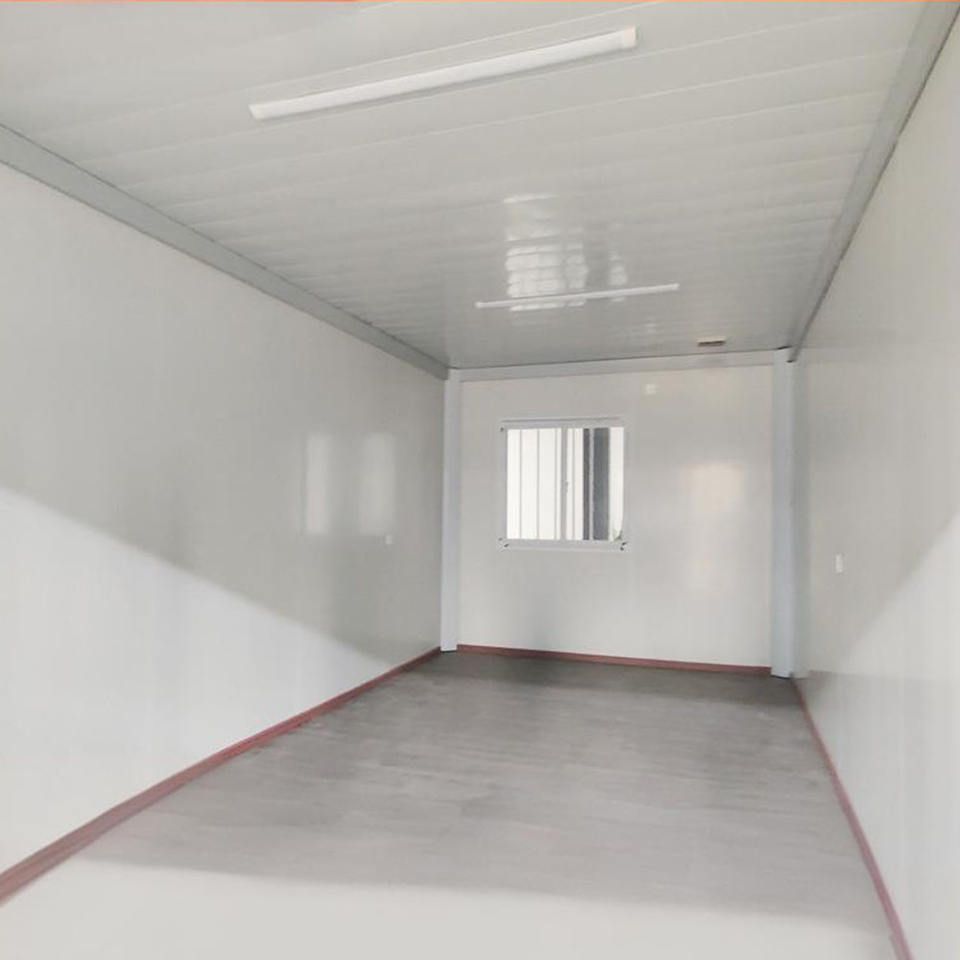
1. Selection of Insulation Material Types
Currently, mainstream insulation materials include EPS (expanded polystyrene), PUR (polyurethane), rock wool, and sandwich panel structures. EPS and PUR are lightweight foam materials with low thermal conductivity, suitable for cost-sensitive areas with mild climates. Rock wool, based on inorganic fibers, offers both Class A fire resistance and long-term stability, making it ideal for high-temperature or humid environments. Sandwich panels integrate insulation layers (such as PUR or rock wool) between two metal sheets, enhancing both insulation efficiency and wall waterproofing, making them a preferred choice for coastal or rainy regions.
2. Matching Performance Parameters to Needs
Insulation materials should be designed in tandem with the overall lifespan of the container house. For example, if a container house using PUR or rock wool claims a 30-year lifespan, its insulation layer must pass weathering tests to ensure no pulverization or shrinkage under conditions such as UV exposure and temperature cycling. In terms of fire resistance, rock wool meets the Class A non-combustible standard in GB 8624-2012 'Classification of Burning Behavior of Building Materials and Products', while PUR requires flame retardants to achieve Class B1. Waterproof performance must be verified through a 24-hour water spray test to prevent condensation from compromising the insulation layer.
3. Optimizing Efficiency through Customization
Suppliers generally support adjusting insulation parameters based on usage scenarios. For instance, in cold regions, wall thickness can be increased to over 150mm, with PUR panels featuring a thermal conductivity of ≤0.024W/(m·K). In hot regions, a double-layer sandwich panel structure with an air gap in between can create a thermal buffer zone. Additionally, modular design allows for adjusting spatial layouts by adding or removing units, reducing thermal bridging and indirectly enhancing insulation efficiency.
4. Ensuring Quality through Certification Standards
Prioritize products certified under ISO 9001 (Quality Management System) and CE, with insulation materials meeting international standards such as EN 13165 (Mineral Wool Products) or EN 14509 (Metal-Faced Sandwich Panels). For example, rock wool should have an acidity coefficient of ≥1.6, and PUR should have a closed-cell ratio of ≥90%, as these parameters directly affect material durability and insulation performance.



