
Volver al blog
Artículo
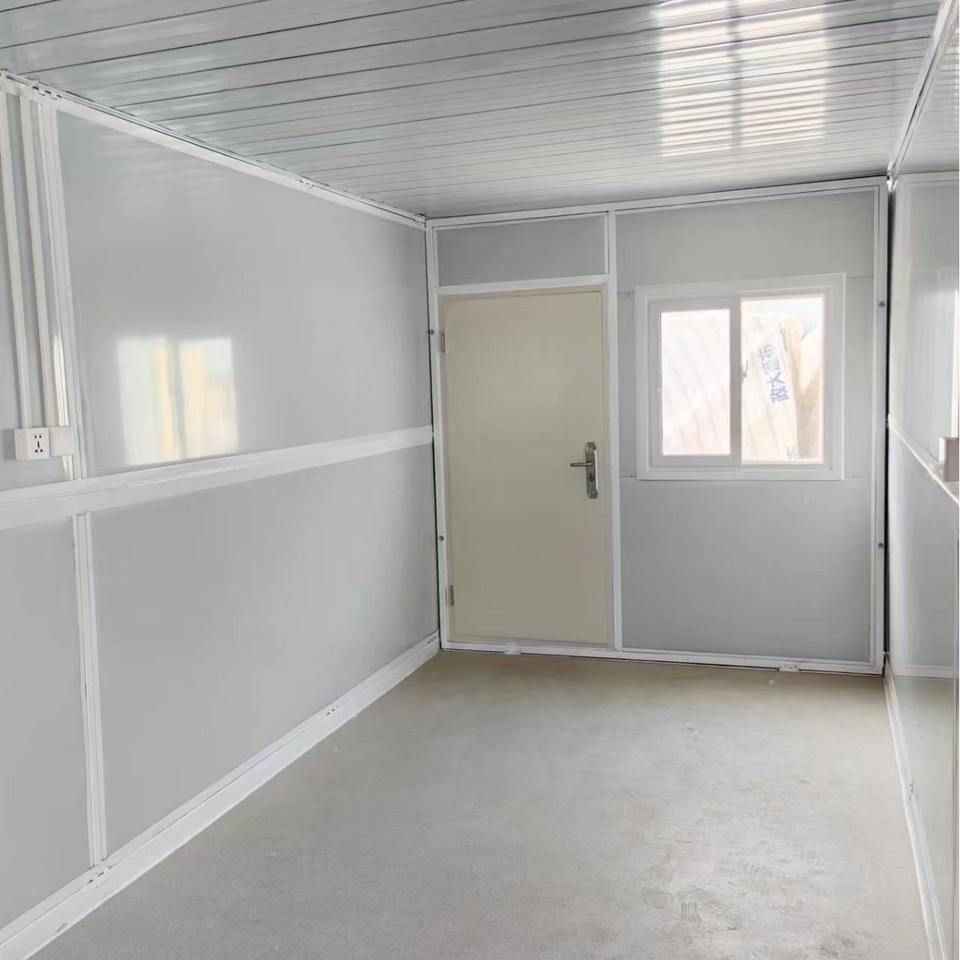
Container House Insulation Cotton Image
Admin 16 de septiembre de 2026
Currently, we cannot directly provide images of insulation cotton for container houses, but we can introduce the types and characteristics of relevant insulation cotton to help you identify and choose.
Common Types of Insulation Cotton for Container Houses
- Rock Wool Insulation Cotton: Made primarily from natural ores such as basalt, it is melted at high temperatures and then formed into inorganic fibers using high-speed centrifugal equipment. Special binders and dust-proof oils are added, followed by curing through heating. It features light weight, low thermal conductivity, heat absorption, and non-flammability. It is widely used in container houses, effectively preventing heat transfer and improving insulation performance. For example, the rock wool-insulated residential container houses produced by Shanghai Boman Container Co., Ltd. use rock wool as the insulation material.
- Aluminum Silicate Insulation Cotton: A high-temperature-resistant and fireproof cotton that can withstand temperatures up to thousands of degrees Celsius for extended periods while effectively retaining heat. It has a dense yet elastic texture, providing excellent fit when wrapping pipes, with few seams and low heat loss. Its fire rating is very high, classified as non-flammable material. It is easy to cut during construction, without pricking hands or shedding debris. Used in factories and other settings, it can raise indoor temperatures and reduce the load on heating equipment.
- Polyurethane Insulation Cotton: It offers excellent insulation performance with low thermal conductivity, effectively reducing heat loss. Additionally, it has good waterproof properties, preventing moisture penetration and protecting the structural integrity of container houses. It is a good choice for container houses with high insulation requirements.
Key Points for Choosing Insulation Cotton
- Select Based on Usage Environment: For container houses in cold regions, choose materials with good insulation performance, such as rock wool or polyurethane; for high-temperature or fire-resistant settings, aluminum silicate insulation cotton is a better choice.
- Focus on Material Quality: Choose reliable products with relevant certifications to ensure the insulation cotton meets performance requirements.
- Consider Construction Convenience: Select materials that are easy to cut and install to improve construction efficiency and reduce costs.
Relacionados



