
Volver al blog
Artículo
Installation of Insulation Boards for Container Houses
Admin 17 de septiembre de 2026
The installation of insulation boards for container houses requires selecting appropriate materials and following standardized procedures. The specific steps are as follows:
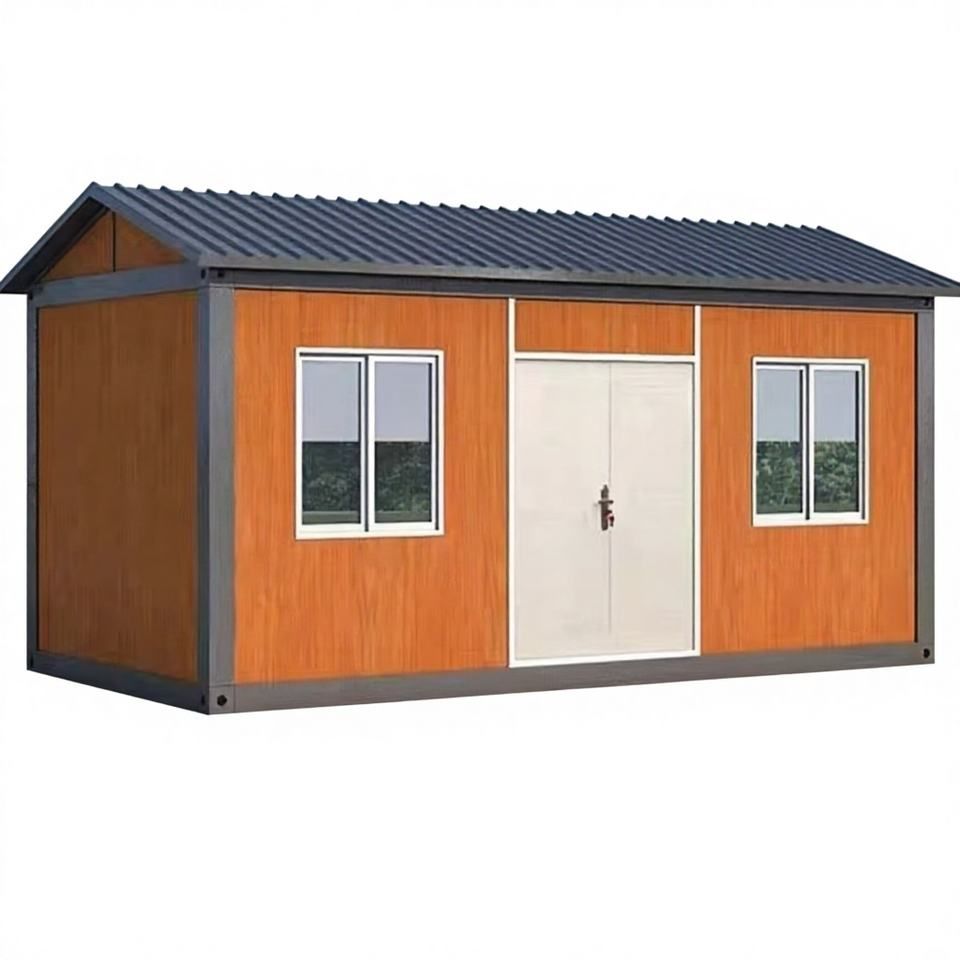
1. Selection of Insulation Materials
The key to installing insulation boards on container houses is to choose materials with low thermal conductivity and good thermal insulation properties. Common materials include:
- Expanded Polystyrene (EPS)/Extruded Polystyrene (XPS): These are cost-effective, with a thermal conductivity of approximately 0.03-0.04 W/(m·K). They are suitable for dry environments but have average fire resistance (flame-retardant types should be selected).
- Polyurethane Foam Board (PU): This has a thermal conductivity as low as 0.02-0.03 W/(m·K) and features a closed-cell structure that provides good water resistance. However, it is more expensive and requires professional equipment for installation.
- Rock Wool Board: This has a thermal conductivity of about 0.035-0.045 W/(m·K), is Class A fire-resistant, and offers sound absorption and noise reduction. However, moisture-proof treatment is necessary to avoid long-term exposure to humid environments.
2. Roof Insulation Installation
- Cutting and Laying: Cut the insulation boards according to the dimensions of the container roof, ensuring complete coverage and aligned edges. If using insulation wool (such as glass wool), fill it according to the actual shape to avoid gaps.
- Joint Treatment: Seams between insulation boards or wool should be filled with specialized sealants (such as silicone sealant) or joint-filling materials to prevent thermal bridges. If using a spliced installation method, the seam width should be controlled within 5mm.
- Fixing Method: Use specialized adhesives or mechanical fasteners (such as self-tapping screws) to fix the insulation boards to the roof, ensuring long-term stability.
3. Enhanced Exterior Wall Insulation
- Exterior-mounted Insulation Layer: Install keels on the exterior surface of the container wall, fix the insulation boards, and then cover them with a protective layer (such as metal panels or cement fiber boards) to form a continuous thermal insulation barrier. This method is suitable for long-term use scenarios but requires consideration of structural load-bearing capacity.
- Interior Insulation Boards: Directly adhere insulation boards (such as EPS or rock wool boards) to the interior walls. This method is simple to construct and does not affect the appearance but requires预留 maintenance space to avoid damage to the insulation layer by internal pipelines.
4. Key Considerations
- Fire Safety: Prioritize the use of Class A fire-resistant materials (such as rock wool boards). If using EPS or PU boards, ensure compliance with building fire safety regulations and equip with smoke detectors.
- Moisture-proof Treatment: In humid areas, lay a moisture-proof membrane (such as PE film) between the insulation layer and the container to prevent condensation from degrading material performance.
- Ventilation Design: Reserve ventilation gaps above the roof insulation layer to prevent deformation of insulation materials due to high summer temperatures and reduce the risk of internal condensation.
By selecting appropriate materials and following standardized construction practices, the thermal insulation performance of container houses can be significantly improved, meeting temperature control requirements for residential or storage purposes.
Relacionados



