
Container House Insulation: A Practical Buyer's Guide
When purchasing container house insulation, it is essential to focus on insulation performance, material structure, design flexibility, adaptability to application scenarios, and certification quality. Here is a detailed guide:
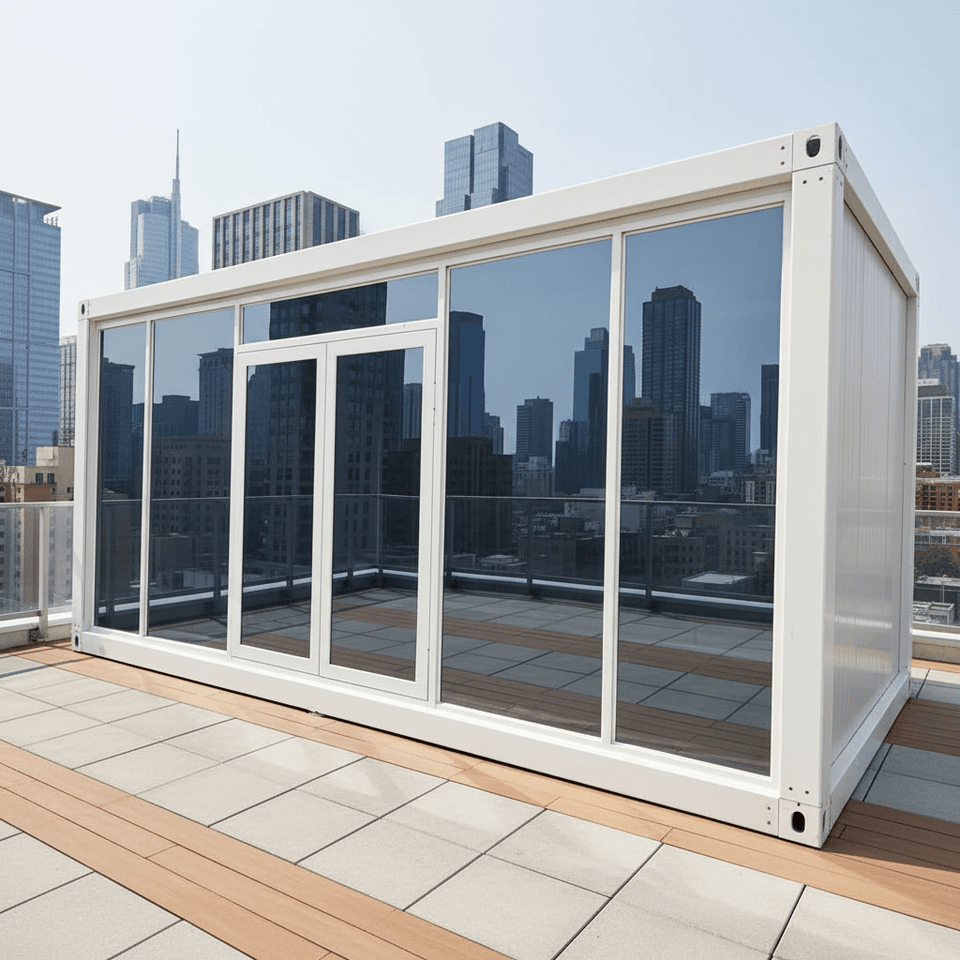
1. Insulation Performance is the Core Metric
The insulation design of different container houses directly affects living comfort. The 2025 Flat Pack Container House uses advanced insulation materials to adapt to extreme climates; the Waterproof 40ft Container House combines corrugated metal sheet exteriors with internal insulation layers to balance energy efficiency and sturdiness; the LIDA flat pack container house employs 75mm-thick rock wool/glass wool sandwich panels, offering both insulation and soundproofing, suitable for scenarios requiring high sound insulation. When selecting, choose an insulation solution that matches the climate of the usage area (e.g., high temperatures, severe cold, or humidity).
2. Materials and Structure Determine Durability
Material selection affects the lifespan and maintenance costs of the house. The 2025 Flat Pack Container House is based on durable container materials, reducing long-term maintenance needs; the Modular Container House uses galvanized steel frames with waterproof sandwich panels, with the option of Corten steel for enhanced corrosion resistance, suitable for coastal or high-humidity areas; the Waterproof 40ft Container House features corrugated metal sheet exteriors that offer both weather resistance and insulation. Focus on frame materials (e.g., galvanized steel, aluminum alloy), types of wall sandwich panels (e.g., polyurethane, rock wool), and the stability of connection structures.
3. Design Flexibility Meets Customization Needs
Modular design is an advantage of container houses. The 2025 Flat Pack Container House supports space customization, suitable for family homes or office settings; the Modular Container House allows free combination of units, expanding into large structures like hotels and dormitories; the Waterproof 40ft Container House enables rapid customization and expansion through prefabricated components. Before purchasing, clarify spatial needs (e.g., single-story or multi-story, standalone or connected) and confirm whether the supplier offers layout design services.
4. Adaptability to Application Scenarios is Key
Different models are suitable for specific scenarios. The 2025 Flat Pack Container House is ideal for families, offices, or hotels; the Modular Container House covers residential, commercial, and industrial uses; the Waterproof 40ft Container House is commonly used for temporary housing, construction sites, or permanent residences; the LIDA flat pack container house is designed specifically for construction sites and camps, providing integrated solutions for offices, accommodations, and sanitation. Choose a matching model based on usage duration (temporary/permanent), functional needs (living/office), and site conditions (space, terrain).
5. Certification and Quality Assurance Cannot Be Overlooked
Certification is a guarantee of safety and environmental protection. Both the 2025 Flat Pack Container House and the Waterproof 40ft Container House have obtained CE certification, complying with European standards; the LIDA flat pack container House has additionally passed ISO, TUV, and BV certifications, covering multiple dimensions of safety, quality, and environmental protection. When purchasing, verify certification documents and prioritize products tested by international authoritative institutions to ensure non-toxic materials, structural safety, and compliance with local building codes.



