
Container House Hot Pot Restaurant
Container houses can be used to open hot pot restaurants and offer advantages such as flexibility, efficiency, cost control, and unique style. Here is a detailed analysis:
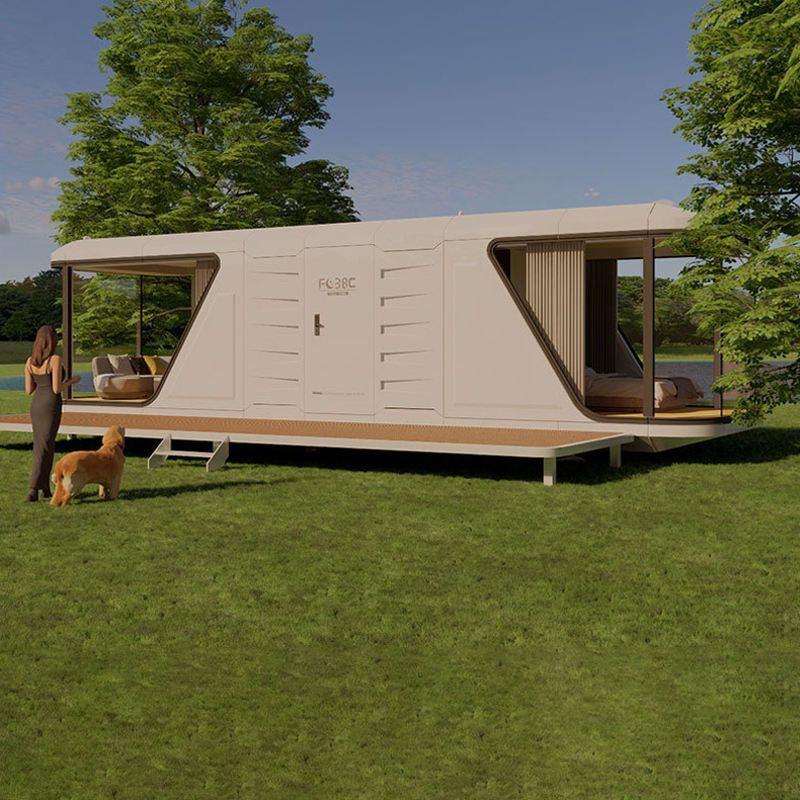
I. Flexibility and Efficiency
Container houses adopt a modular design, allowing for rapid store construction through flexible combinations. For example, a catering establishment in Changshu, composed of eight containers with a total area of 240 square meters, was installed in just nine days, significantly shortening the construction period. This construction method breaks through traditional site selection limitations, enabling quick establishment in special locations such as vacant land, scenic spots, and industrial parks, providing diverse business scenarios for hot pot restaurants. Additionally, the modular structure supports later renovation and relocation, meeting the needs of brand expansion or location adjustments.
II. Cost and Functional Advantages
As a low-cost entrepreneurial option, container houses can reduce initial investment and implementation time. Their factory prefabrication model minimizes on-site construction costs, and the containers can be customized for catering functions, including storage, production, ordering, and dining areas. For instance, in one case, a container with a glass curtain wall was set up as an exclusive dining area, equipped with efficient ventilation and heat recovery systems, balancing comfort and practicality. Furthermore, container houses offer both temporary and long-term value, allowing for long-term operation or relocation and reuse after a single investment, enhancing asset utilization.
III. Design Style and Scene Adaptation
Container houses can create a unique style through exterior color schemes, floor-to-ceiling windows, terraces, and other design elements, attracting young consumer groups. For example, the Luzhou Goushu Street Container Characteristic Block creates a youthful atmosphere through artistic design, becoming a popular spot for internet celebrities; the "Siheyuan" Container Restaurant in Taiwan integrates Chinese elements, showcasing cultural characteristics through eaves and carvings. Such designs not only reduce decoration costs but also enhance competitiveness through differentiated positioning, meeting the needs of catering businesses like hot pot restaurants.
IV. Compliance and Supplier Selection
It should be noted that container houses serve only as architectural carriers, and their operation must comply with approval requirements for site use, urban appearance, and fire safety. When selecting suppliers, it is essential to focus on their commercial scene customization capabilities, delivery stability, and comprehensive supporting solutions to avoid increased rework costs due to issues such as insulation and waterproofing.



