
Container House Heating Solution
The heating solution for container houses needs to combine thermal insulation design with temperature control equipment, achieving winter warmth through material selection, structural optimization, and auxiliary heating systems.
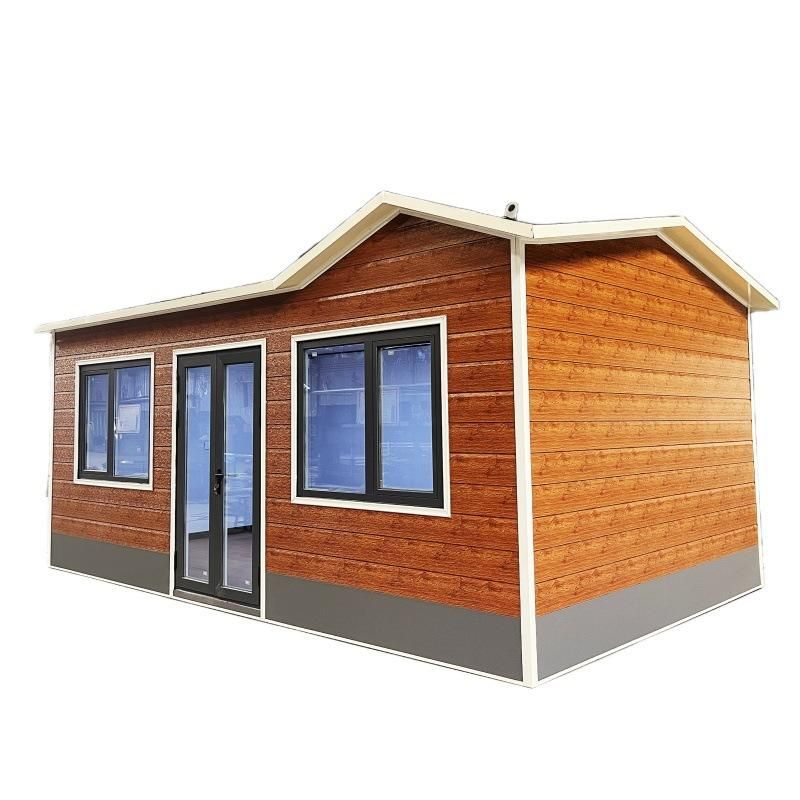
I. Thermal Insulation Materials and Structural Design
Core Material Selection
The thermal insulation performance of container houses mainly relies on the insulation layers of the walls and roof. Commonly used materials include polyurethane foam boards, rock wool boards, and polystyrene boards. These materials have low thermal conductivity and can effectively block heat transfer. For example, the thickness of the polyurethane foam layer needs to exceed 50mm. Combined with an outer layer of anti-corrosion color-coated steel plates and an inner layer of fire-resistant gypsum boards, a three-layer structure of 'reflection-blocking-temperature control' can be formed, making the wall heat transfer coefficient ≤ 0.45W/(㎡·K) and achieving a thermal insulation efficiency 1.8 times that of traditional brick-concrete walls.Structural Optimization Measures
- Adding Insulation Layers: Install external hanging insulation layers or internal thermal insulation boards on the outer wall surface or interior walls to form a continuous thermal insulation barrier.
- Sealing Treatment: Use professional sealing materials at the joints of insulation materials and the connection parts of the container body to prevent heat leakage. For example, install sealing strips around doors and windows to reduce air infiltration.
- Shading and Ventilation: Install adjustable shading canopies or eaves on the roof to block direct sunlight in summer; design ventilation slots at the bottom to promote air circulation and reduce indoor temperature fluctuations.
II. Temperature Control Equipment Configuration
Active Heating Systems
- Air Conditioners and Electric Heaters: Suitable for short-term use scenarios, they can quickly raise the indoor temperature through the reverse Carnot cycle or resistive heating.
- Graphene Floor Heating: Utilize the high thermal conductivity of graphene to achieve uniform heating with low energy consumption and a comfortable feel.
- Entrance Air Curtains: Form an air barrier at the entrance to reduce heat loss when opening the door.
Auxiliary Heating Configurations
- Generator Heaters: If the house relies on generator power, generator heaters, coolant heaters, and oil heaters can be installed to ensure the normal operation of equipment in low-temperature environments.
- Battery Heaters: Prevent the battery's energy storage capacity from decreasing due to low temperatures, ensuring the stability of the power supply.
- Automatic Temperature Control Systems: Monitor the indoor temperature through sensors and link the heating equipment to maintain the set range, avoiding energy waste.
III. Detail Handling and Maintenance
Preventing Cold Condensation and Dew Formation
Install a moisture-proof film on the inner side of the walls and cooperate with the ventilation system to balance the indoor and outdoor temperature differences, avoiding wall moisture due to condensation.Long-term Maintenance Points
- Rust Prevention Treatment: Regularly inspect the welds, corners, and other parts of the container body and promptly repaint to prevent rust.
- Sealing Renewal: Replace the door and window sealants every 5-7 years and clean the fallen leaves on the roof to prevent water accumulation and corrosion of the steel plates.
- Foundation Elevation: Place the container on pile foundations to avoid direct contact of the bottom with ground moisture.



