
Container House Green Landscape
The green landscape design of container houses can be achieved through various methods, focusing on both functionality and aesthetics while ensuring sustainability.
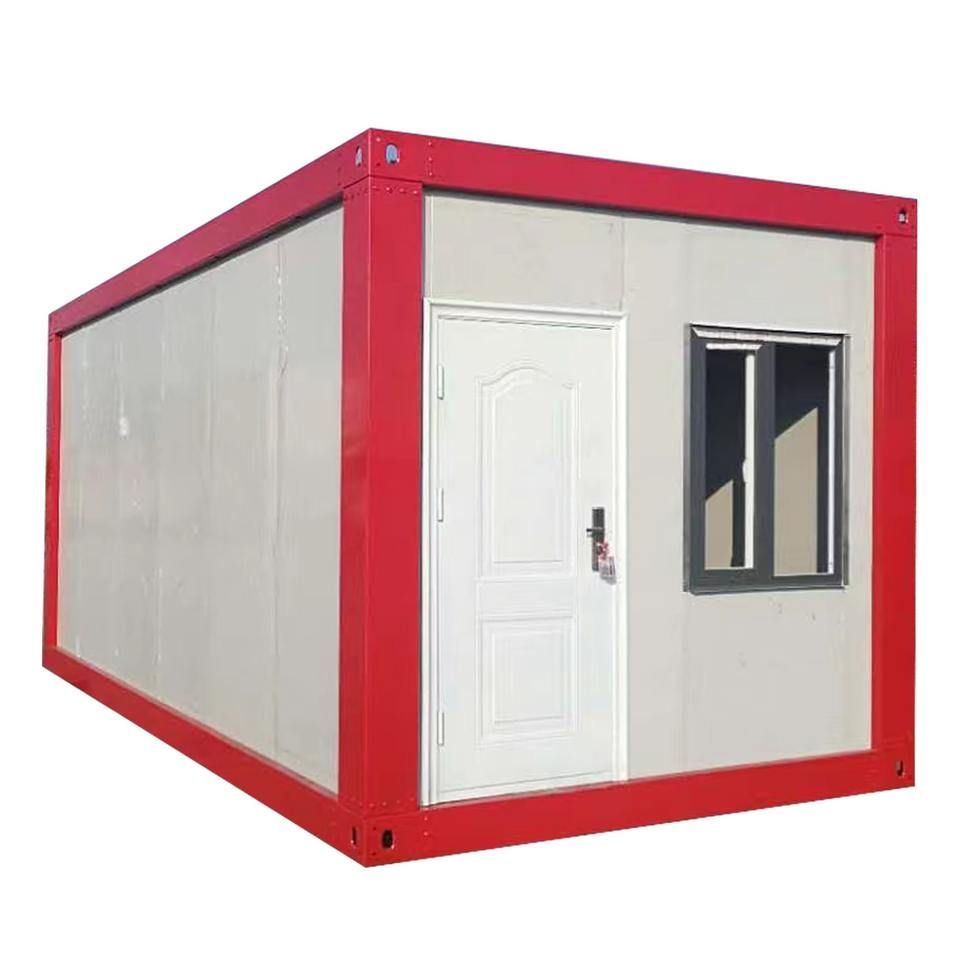
1. Roof Greening
The roof of a container house is an ideal location for implementing green landscapes. For example, the "Nanyuan Green Cloud" project created a rooftop symbiotic garden on the sixth-floor apartment roof in an urban village. By planting green vegetation, it not only beautifies the environment but also provides shading and cooling functions, effectively addressing climate warming issues. Roof greening can adopt modular designs for easy replication and installation, while incorporating elements such as sunshades and flower beds to enhance spatial hierarchy and functionality.
2. Vertical Greening
For container houses with limited space, vertical greening is an efficient way to utilize space. Vertical greening systems, such as planting troughs and climbing frames, can be installed on the exterior walls of containers. Climbing plants or hanging flowers can be planted to form green barriers, beautifying the environment and improving air quality.
3. Courtyard and Balcony Greening
If a container house is designed with a courtyard or balcony, these spaces can be fully utilized for greening. Flower beds, lawns, and small water features can be arranged to create a peaceful and comfortable leisure environment. Additionally, outdoor furniture such as benches and tables can be incorporated to provide spaces for residents to engage in outdoor activities and socialize.
4. Indoor Greening
Indoor greening is also an important means of enhancing the living quality of container houses. Potted plants, hanging flowers, or indoor gardens can be placed indoors to increase oxygen levels, improve air quality, and bring a natural aesthetic. Indoor greening design should consider lighting and ventilation conditions, selecting plant species suitable for indoor growth.
5. Sustainable Design
In green landscape design, sustainability principles should be emphasized. For example, rainwater harvesting systems can be used to provide irrigation water for greening, reducing the use of tap water; solar photovoltaic panels can be utilized to power greening lighting; and local plant species can be selected to reduce maintenance costs and water consumption.



