
Volver al blog
Artículo
Prospects for Foreign Trade of Container Houses
Admin 15 de septiembre de 2026
The overall prospects for the foreign trade of container houses are positive, with sustained growth in market demand and support from policies and logistics. However, enterprises also face challenges in competition and compliance.
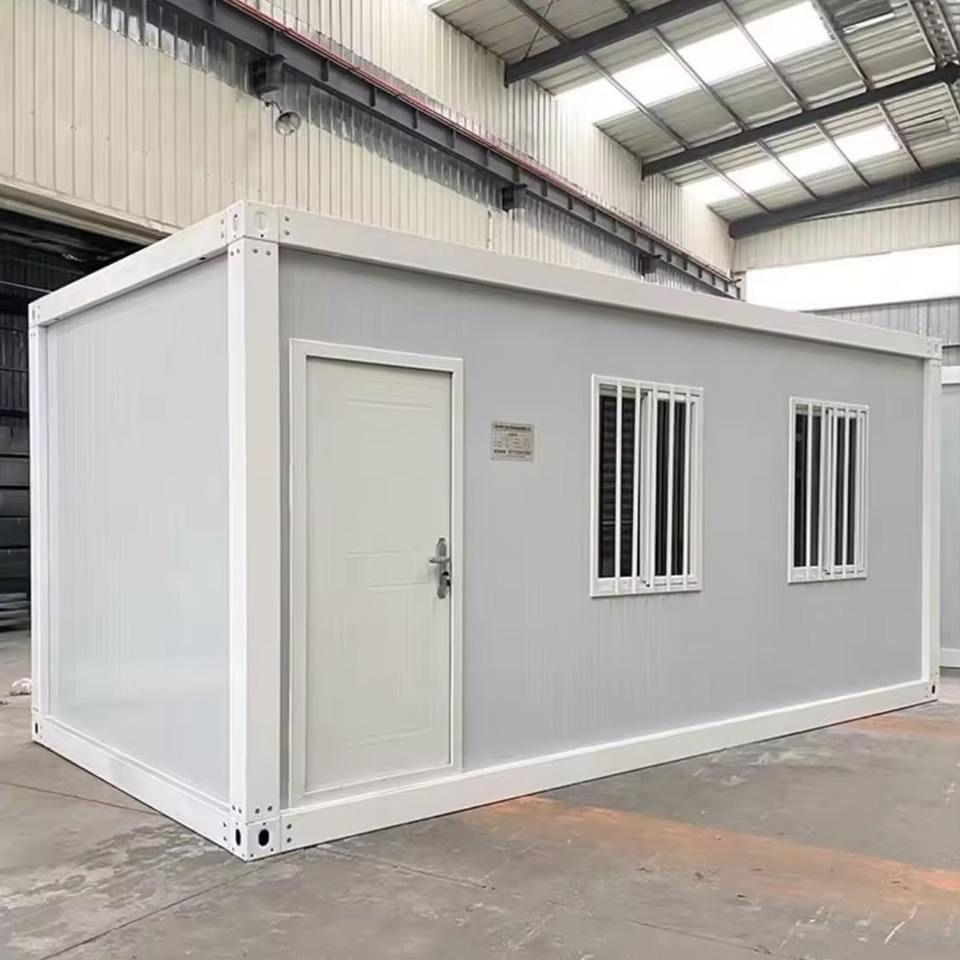
Sustained Growth in Market Demand
- Global Market Expansion: China's modular buildings are making their way globally with a new construction model, and export data continues to rise. For example, the export value of "mobile houses" from Shenzhen port in the first four months reached 1.68 billion yuan, a year-on-year increase of 19.6%, with destinations covering more than 150 countries and regions. In the first half of 2026, China's total export value of prefabricated buildings under HS code 9406 was 2.79 billion US dollars, a year-on-year increase of 45%. Steel-structured modular houses were the main export category, and overseas market demand maintained rapid growth.
- Wide Application in Multiple Fields: Procurement ends in engineering camps, cultural tourism, emergency response, and other sectors have shown increasing attention to the recyclability, cross-border compliance, and low-carbon attributes of detachable and relocatable container houses. Orders for products with multiple reuse capabilities, cross-border export qualifications, and low-carbon attributes have accounted for more than 60% of the total, gradually becoming the mainstream procurement direction in the industry.
Support from Policies and Logistics
- Policy Support: Many countries worldwide have listed modular buildings as a key development direction for infrastructure construction, particularly emphasizing their environmental friendliness, rapid construction, and recyclability. Russia has classified container buildings as non-permanent structures, categorized as auxiliary housing, eliminating the need for complex building permits and approval procedures, reducing the time and process costs for setup and implementation.
- Logistics Convenience: The logistics corridors along the China-Russia border continue to upgrade, providing solid support for the export of prefabricated building materials and container modular houses. For example, the Manzhouli Railway Port handles more than 60% of China-Russia railway transportation tasks, with 63 China-Europe freight train routes operating efficiently; the Blagoveshchensk Land Port's multifunctional railway hub is dedicated to serving China-Russia container transshipment and cross-border transportation, resolving cross-border transshipment challenges for large cargo.
Challenges in Competition and Compliance Faced by Enterprises
- Intense Market Competition: As the market size expands, more and more enterprises are entering the field of foreign trade in container houses, leading to increasingly fierce market competition. Enterprises need to continuously improve product quality, reduce costs, and enhance service levels to strengthen their market competitiveness.
- Increased Compliance Requirements: Different countries have varying building codes and environmental standards for container houses. Enterprises need to ensure that their products comply with the relevant regulations and standards of the target markets; otherwise, they may face risks such as products being unable to enter the market or being recalled.
Relacionados



