
Volver al blog
Artículo
Water Accumulation Under the Floor of Container Houses
Admin 16 de septiembre de 2026
Water accumulation under the floor of container houses requires prompt cleaning, identification of the cause, targeted repairs, and preventive maintenance.
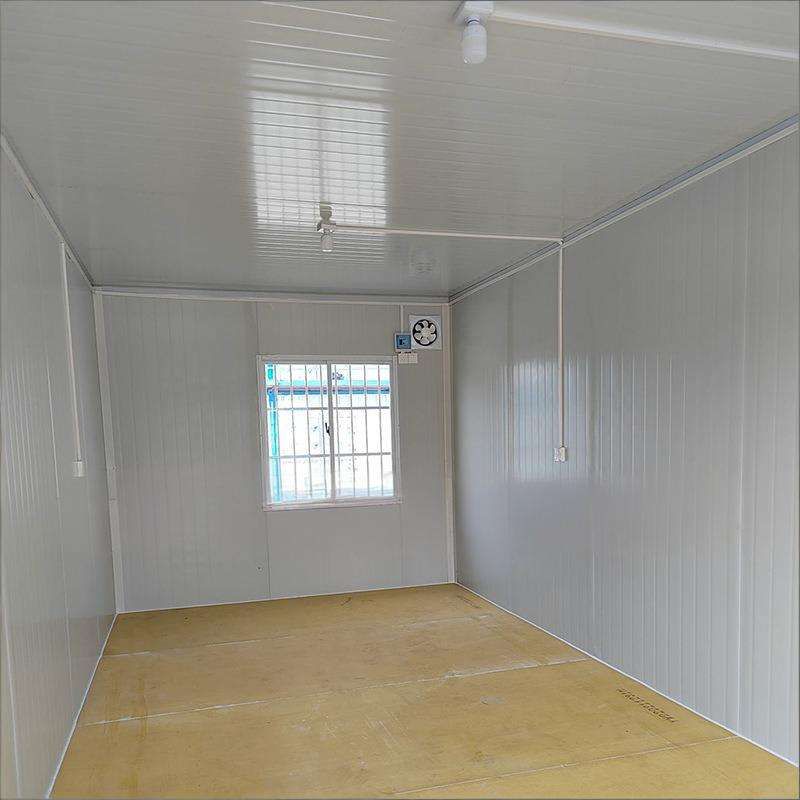
Water Accumulation Treatment Measures
- Promptly Clean Up the Water: Upon discovering water accumulation, immediately use dry towels or water absorption equipment to remove surface moisture, preventing wooden materials from swelling and deforming due to prolonged soaking. If the water accumulation area is large, contact a professional waterproofing company to use a water pump for treatment. At the same time, open doors and windows to accelerate air circulation. Pay attention to electrical safety during treatment and turn off the power if necessary.
- Check for Leak Sources: Focus on inspecting concealed works such as in-wall water pipes, underfloor heating pipes, and air conditioning drainage pipes for leaks. Check whether the waterproof layers in wet areas such as bathrooms and kitchens have failed. You can observe changes in water accumulation by turning off water sources in different areas or use an infrared detector to locate leak points. If it is due to underground moisture return, check the condition of the building's moisture-proof layer.
- Use Dehumidification Equipment: After the water is cleared, continuously use a dehumidifier to reduce the environmental humidity and keep the relative humidity below 50%. You can use industrial fans to enhance air circulation. For enclosed spaces, place quicklime or activated carbon to assist in moisture absorption. Regularly check the floor joints for mold spots. If mold is found, use a special mold remover for treatment.
Targeted Repair Methods
- Partial Disassembly and Repair: For severely waterlogged areas, dismantle part of the floor to check the condition of the base layer. If the joists or underlayment have become moldy and rotten, replace them entirely. Protect adjacent floors during dismantling. Before new installation, ensure the base layer is completely dry. It is recommended to use a moisture-proof membrane for secondary isolation. After repair, conduct a 48-hour closed-water test to verify the waterproofing effect.
- Resolve Leakage Problems: If it is a pipe leak, locate the leak point through pressure testing and replace the pipe fittings. In severe cases, dismantle the floor to repair the base layer. If the waterproof layer has failed, remove the damaged area and reapply flexible waterproof coating. Restore the surface layer after the closed-water test meets the standard.
Preventive Maintenance Recommendations
Regularly check the aging condition of door and window seals on a daily basis. Clean the balcony floor drains and building perimeter drainage ditches before the rainy season. Place humidity monitors in moisture-prone areas and turn off the main water valve when going away for a long time. Choose solid wood composite floors with a waterproof coating and leave sufficient expansion joints during installation to adapt to humidity changes.
Relacionados



