
Container House Exterior Wall Colors
Container house exterior wall colors offer a wide range of options, including common colors such as white, gray, blue, green, and red. In personalized office settings, the selection can be even broader, with up to 200-300 standard colors available. The specific characteristics and suitable scenarios for each color are as follows:
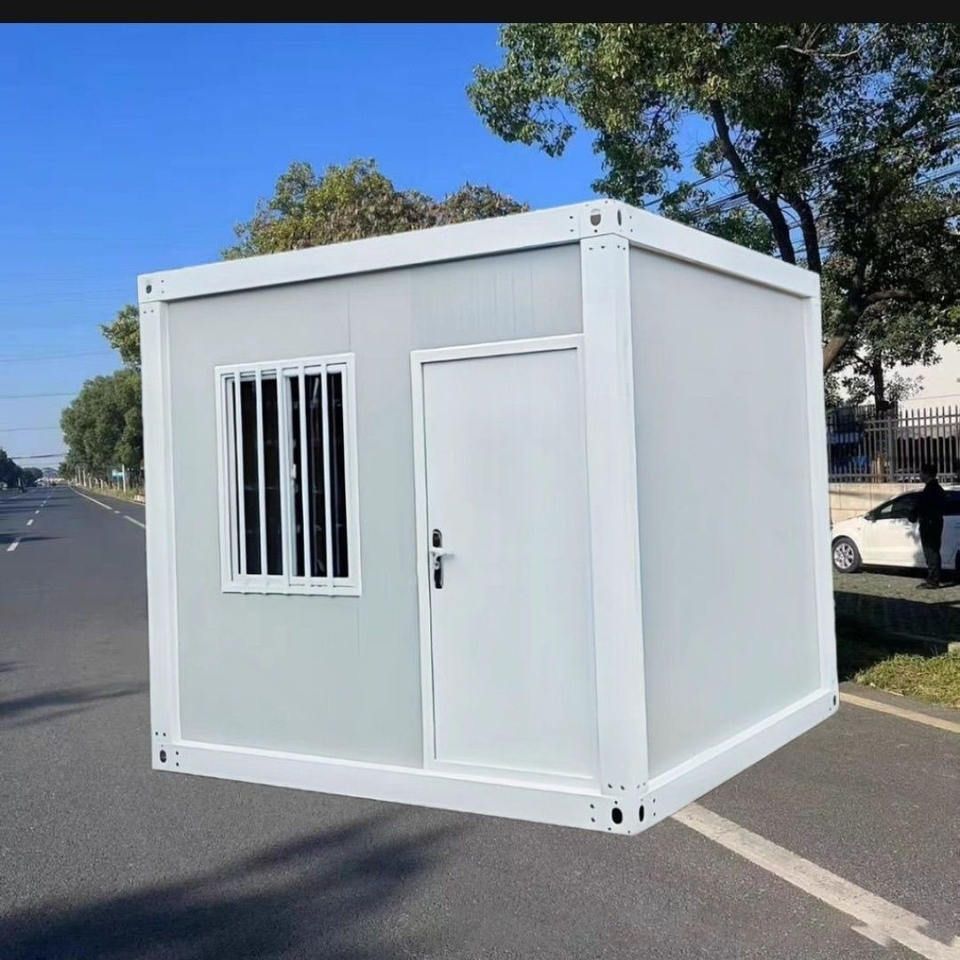
White: As a foundational color, white provides a clean and bright visual effect, reflecting most light and reducing indoor temperatures while creating a sense of spaciousness. Its versatility makes it suitable for various environments, particularly in venues pursuing a minimalist style, such as temporary office spaces in cities or exterior decorations for rural homestays. White exterior walls can also enhance the building's three-dimensionality through light and shadow variations, but regular cleaning is necessary to maintain surface cleanliness.
Gray: As a neutral color, gray exhibits a low-key and stable quality through different shades (light gray, medium gray, dark gray). Light gray is suitable for blending with natural landscapes, such as container houses in mountainous or lakeside areas; dark gray conveys a more modern feel and is often used in industrial-style buildings or commercial complexes. Gray's advantage lies in its dirt resistance and its ability to enhance building texture through material contrasts (e.g., metal and concrete).
Blue Shades: Blue encompasses a variety of tones from light blue to dark blue, characterized by tranquility and composure. Light blue adds a soft and warm atmosphere, suitable for public spaces like schools and community centers; dark blue conveys professionalism and authority, often used in container buildings for corporate headquarters or research institutions. Blue exterior walls can also harmonize with marine landscapes in coastal areas, enhancing environmental coordination.
Green: Green symbolizes vitality and energy, bringing a natural and fresh ambiance to spaces. Light green is suitable for container houses in ecological parks or agricultural bases, creating a visual continuation with vegetation; dark green offers a more stable feel and can be used for park management buildings or eco-themed structures. Green exterior walls can also indirectly improve the surrounding microclimate through photosynthesis simulation effects.
Red: Red is known for its striking and passionate visual impact, quickly drawing attention. It is commonly used in scenarios requiring prominent identification, such as fire stations, event stages, or commercial advertising containers; in cultural and creative parks, red exterior walls can also create a lively atmosphere through contrasting color combinations. However, it is important to control the usage area to avoid excessive stimulation leading to visual fatigue.
Personalized Needs: Taking Guangdong Aishangguizu Integrated Housing Co., Ltd. as an example, its offering of 200-300 standard colors covers classic neutral colors, corporate VI color schemes, natural harmonious colors, and modern fashionable colors, meeting diverse needs such as brand customization and themed scenarios. For instance, companies can choose exclusive colors matching their logos to enhance brand recognition; theme parks can create immersive experience spaces through color combinations.



