
Container House Door and Window Customization
Customization of doors and windows for container houses requires comprehensive consideration of size, material, functionality, and climate adaptability. Here are the key points:
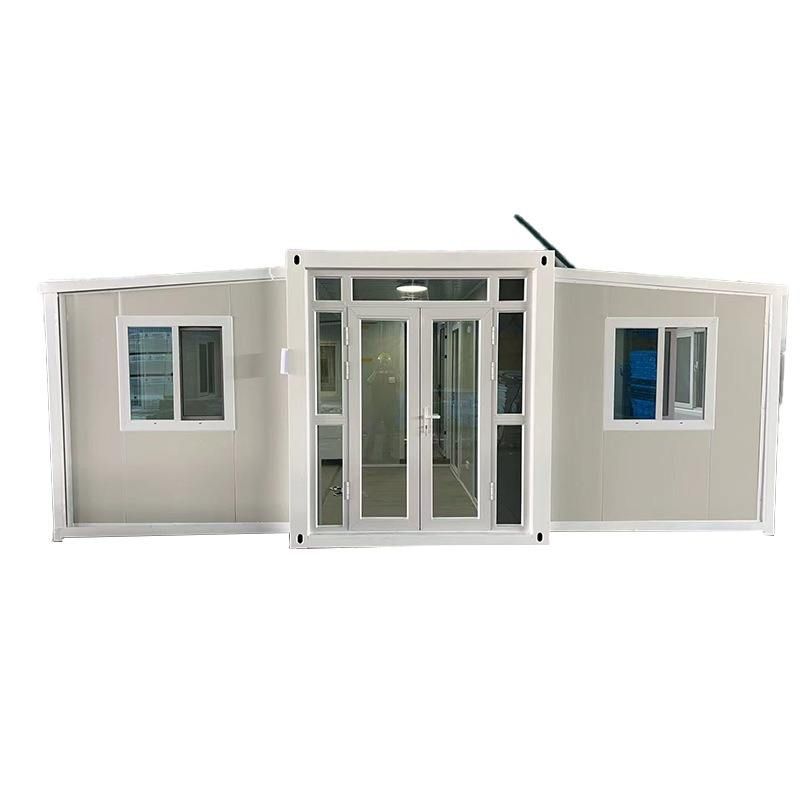
1. Door and Window Size Standards and Customization Flexibility The size of doors and windows in container houses directly affects the user experience and safety. The standard single door size is 800 mm wide × 2000 mm high, suitable for daily entry and exit; the double door size is 1600 mm wide × 2000 mm high, facilitating the movement of large items. The standard window size is mostly 1200 mm wide × 900 mm high, providing ample natural light. For special sizes (such as taller or wider doors, irregularly shaped windows), customization can be discussed with the manufacturer, for example, designing smaller windows for northern regions to reduce heat loss.
2. Material Selection and Performance Adaptation Materials should be chosen based on the usage scenario and climatic conditions.
- Door and Window Frames: Aluminum alloy or thermal-break aluminum frames are lightweight and corrosion-resistant, suitable for humid or windy areas; steel frames offer high strength, suitable for scenarios with high safety requirements.
- Glass Types: Insulated tempered glass enhances thermal insulation performance, suitable for cold northern regions; ordinary tempered glass is more cost-effective, suitable for mild southern climates.
- Sealing Materials: Sealing strips or foam fillers can enhance airtightness, preventing air leakage and water infiltration, especially crucial in rainy or sandy areas.
3. Functional Requirements and Additional Design Add functional designs based on usage:
- Anti-theft and Security: Install anti-theft grilles, security locks, or bulletproof glass to enhance living safety.
- Thermal Insulation: Northern regions should use thermal-break aluminum doors and windows paired with high-density insulation materials to reduce heat loss; southern regions can focus on ventilation design, such as adding operable sashes or screens.
- Moisture Resistance and Weather Resistance: Coastal or humid areas should select moisture-resistant materials, such as UPVC plastic-steel windows, to prevent metal corrosion or wood mold.
4. Climate and Regional Adaptability In cold northern winters, prioritize doors and windows with strong thermal insulation performance (such as thermal-break aluminum + insulated glass) and ensure tight sealing at the joints between walls and doors/windows; in hot and humid southern summers, focus on ventilation design, such as increasing the proportion of casement or sliding windows. Additionally, areas with heavy sandstorms need to strengthen the airtightness of doors and windows to prevent dust from entering the interior.
5. Customization Process and Manufacturer Selection When customizing doors and windows through a professional manufacturer, clearly define your requirements (size, material, functionality) and provide specific parameters of the container house (such as wall thickness, installation location). Some manufacturers (such as Jiangsu Huijue, Shandong Zhongchang) offer one-stop services covering design, production, installation, and after-sales, simplifying the process and ensuring compatibility.



