
New Regulations on Container House Demolition
The new regulations on container house demolition require a comprehensive assessment based on whether the structure is an illegal construction, its intended use, and local policies. Legally compliant container houses may be eligible for compensation during demolition, while illegal ones face uncompensated removal.
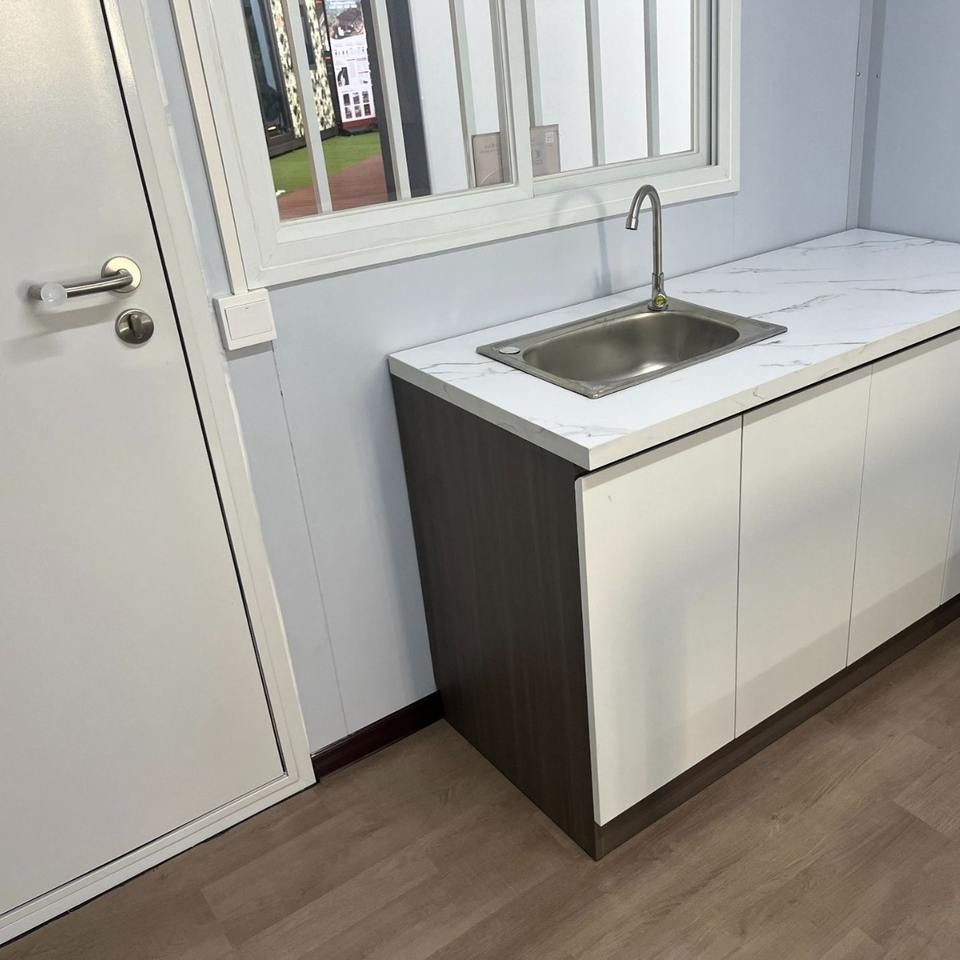
Criteria for Illegal Construction and Demolition Basis
The key factor in determining whether a container house is illegal is whether it has obtained planning permission, occupies land outside designated planning areas, or擅自改变土地性质 (unlawfully alters land use). If planning approval and land use certificates are not obtained, and the structure is used for business or residential purposes, it is typically classified as illegal construction, and urban management enforcement authorities can legally demolish it. For example, transforming a container into a homestay or warehouse, hardening the ground, connecting to utilities, and using it long-term constitutes a “substantial alteration of land use” and faces the risk of forced demolition.
Compensation Conditions for Legal Container Houses
According to the Regulations on the Expropriation of Houses on State-Owned Land and Compensation, fair compensation must be provided for the demolition of legally compliant houses. However, compensation for container houses must meet the following conditions:
- Compliant Use: If a container house is used for temporary storage of agricultural supplies or tools, without hardening the ground or connecting to utilities, and serves solely as a watchhouse for farmland or orchards, it is generally not considered illegal construction. However, it may not receive compensation during demolition due to its classification as a “temporary structure.”
- Approval Procedures: If a container house has obtained a business license or government approval (e.g., for homestay use) and has not exceeded the approved duration, compensation may be provided based on actual losses during demolition. However, there is currently no unified regulation specifying compensation standards.
Regional Policy Differences and Enforcement Points
Management of container houses varies significantly across regions:
- Inclusive Policies: Cities like Shanghai and Shenzhen encourage the use of container buildings in cultural tourism and commercial sectors, potentially relaxing approval requirements.
- Strict Controls: Some agricultural provinces (e.g., a province’s 2025 regulations) require temporary building registration for container houses in farmland; failure to comply results in classification as illegal construction.
- Enforcement Details: Ground treatment (e.g., hardening), functional conversion (e.g., watchhouse to homestay), and land nature (e.g., basic farmland) are critical red lines; violations lead to demolition risks.



