
Volver al blog
Artículo
Container House Demolition Construction
Admin 14 de septiembre de 2026
Container house demolition construction should adhere to the principles of systematicness, safety, and compliance, integrating professional teams, standardized processes, and resource utilization to ensure construction safety, environmental compliance, and reduced legal risks.
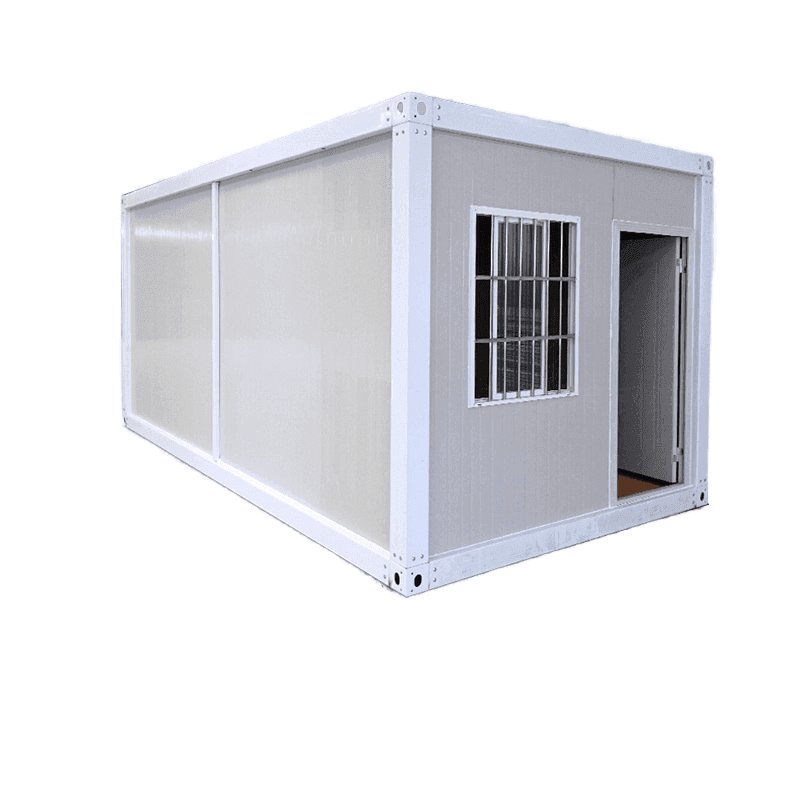
1. Selection of Professional Teams
Prioritize professional demolition teams with full-chain service capabilities, such as Shandong Qingdao Xinwanda Container Technology Co., Ltd., whose services cover on-site surveys, safety briefings, structural dismantling, and compliant transportation. Key requirements include:
- Comprehensive Qualifications: Teams must possess building waste clearance registration certificates, compliant渣土车 (construction waste transport vehicle) permits, and special operation certification to avoid work stoppages due to missing qualifications.
- Equipment Suitability: Given the lightweight steel structure of container houses, teams should be equipped with micro-excavators (e.g., one-meter-wide models that can fit into elevators), lightweight lifting tools, and manual dismantling equipment to prevent structural damage or secondary pollution from violent demolition.
- Localized Service Capabilities: Choose teams familiar with local environmental regulations, traffic management, and community coordination, such as Hangzhou Youcheng Demolition, to shorten response times and reduce hidden costs.
2. Standardized Construction Process
1. Preliminary Preparations
- On-site Survey: Verify original construction drawings, load distribution, and underground utility locations. Establish warning zones and install fall protection nets and hard barriers.
- Safety Briefing: Clearly communicate operational standards to workers, emphasizing fire prevention, fall protection, and dust suppression measures.
2. Dismantling Operations
- Roof Enclosure Removal: Manually dismantle skylights, insulation, and color-coated steel sheets. Prohibit高空抛掷 (throwing from heights) and use lightweight lifting equipment for material handling.
- Frame Structure Dismantling: Cut connection nodes in reverse order (columns → beams → supports → floor slabs) to release residual stress and avoid collapse risks from direct pushing.
3. Component Handling
- Sorting and Packaging: Separately package renewable materials like steel, aluminum profiles, and door/window hardware for delivery to local disposal sites or recycling facilities.
- Compliant Transportation: Use enclosed construction waste vehicles to prevent illegal dumping and associated legal penalties.
3. Environmental and Compliance Requirements
- Dust and Noise Control: Deploy dust screens, sprinkler systems, and noise barriers during construction to meet local environmental standards.
- Waste Management: Strictly segregate waste, prohibiting the mixing of hazardous materials (e.g., asbestos-containing items) with general construction waste.
- Legal Risk Mitigation: Confirm property ownership and approval documentation before demolition to avoid disputes over illegal structures (e.g., container houses without planning permits).
Relacionados



