
Container House Daily Life
Container houses can meet daily life needs, but the specific experience varies depending on design and configuration.
1. Safety and Compliance
Container houses have a steel frame, making them structurally robust and capable of withstanding wind, rain, and earthquakes. After professional modification and reinforcement, their safety can meet the requirements for long-term residence. For example, the container dormitories at the Nagoya Asian Games passed the inspection of the Olympic Council of Asia, equipped with facilities such as air conditioners and refrigerators, and featuring barrier-free ramps at the entrances, meeting official standards for safety, hygiene, and basic rest.
2. Comfort and Functionality
- Space Utilization: Although the interior space of a container is limited, modular design (such as foldable furniture and built-in storage) and the combination of multiple containers can optimize functional zoning. For example, a couple transformed a 30㎡ container by using a hydraulic deck to expand the activity area, integrating a bedroom, kitchen, and bathroom.
- Insulation and Ventilation: Metal materials conduct heat easily, requiring insulation materials (such as rock wool and polyurethane), double-wall structures, or air conditioning systems to regulate temperature. Qinghai Guangzan Light Steel points out that thickened insulation materials can make the insulation effect of containers comparable to that of traditional houses.
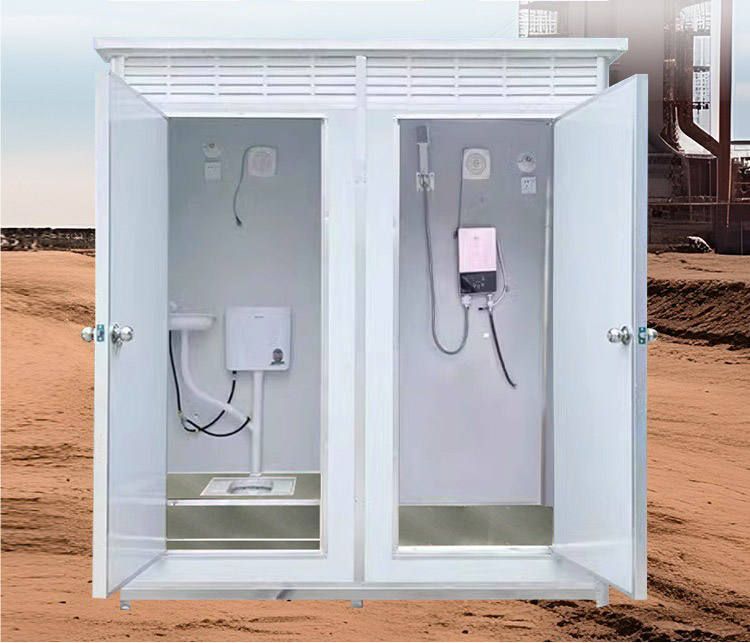
- Water and Electricity Facilities: Containers can be connected to municipal utilities or equipped with independent systems (such as solar panels and water tanks). In one case, a wilderness container home achieved self-sufficiency through solar power and a sewage treatment system.
3. Cost and Flexibility
- Economy: Container houses are less expensive to construct than traditional buildings and are movable and reusable, making them suitable for those with limited budgets or temporary housing needs. For example, the Nagoya Asian Games adopted container dormitories due to budget overruns, with costs far lower than building a new Asian Games village.
- Modification Period: Standardized production shortens the construction period, with modifications completed in 7-15 days, saving more than 50% of the time compared to traditional house construction.
4. Limitations
- Limited Space: A single container has a limited area, requiring careful planning of furniture and movement paths. For example, the beds in the Nagoya athletes' dormitories were 195 cm long, which was inconvenient for athletes taller than 2 meters.
- Environmental Adaptability: Humid or high-salt environments can easily corrode steel, requiring regular rust prevention treatment. Qinghai Guangzan Light Steel recommends using corrosion-resistant materials in humid areas to extend the lifespan of containers.



