
Container House Custom Buying Guide: Options & Tips
When purchasing a container house, it is essential to comprehensively consider core advantages, structural types, functional configurations, manufacturer qualifications, and key points to avoid pitfalls, and select an appropriate solution based on trends in 2026.
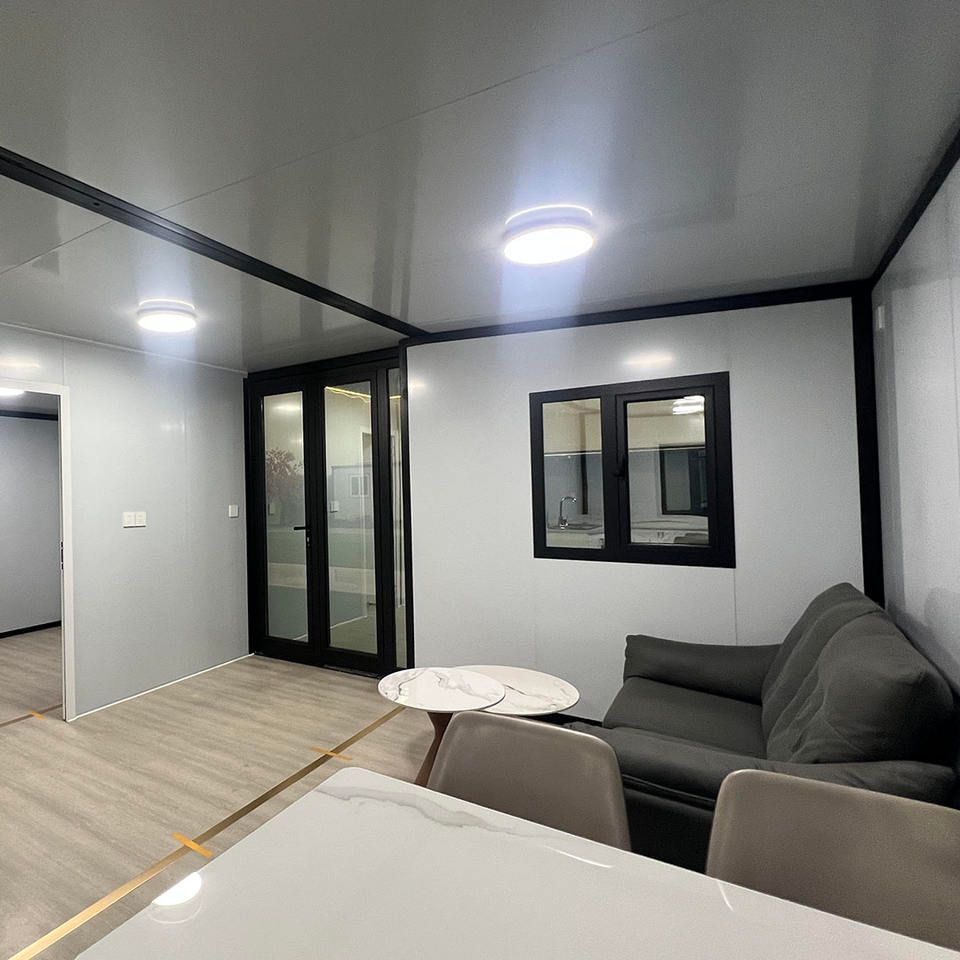
I. Core Advantages and Applicable Scenarios
Container houses are characterized by rapid deployment, sustainability, and durability as their core advantages. Their factory-prefabricated, on-site assembly model shortens construction periods, making them suitable for scenarios requiring quick deployment, such as temporary dormitories on construction sites and post-disaster relief housing. By recycling used containers or lightweight steel modules, carbon emissions are reduced, material costs are lower than those of traditional buildings, and modular expansion reduces long-term costs. The lightweight steel structure combined with hot-dip galvanized steel offers strong resistance to corrosion, earthquakes, and wind, making it suitable for complex environments such as mountainous and coastal areas.
II. Key Options for Purchase
- Structural Types
- Modified Containers: Low cost but require treatment for rust and insulation issues, suitable for scenarios with limited budgets and low requirements for living comfort.
- Prefabricated Modules: Utilize new lightweight steel frames or container-sized modules, offering stable performance and suitable for high-end customization needs.
- Functional Configurations
- Basic Functions: Require integration of thermal and acoustic insulation materials, fire protection systems, and water and electricity pipelines to ensure living comfort.
- Expansion Options: Can add eco-friendly or technological configurations such as solar panels, rainwater harvesting systems, and smart security to enhance functionality.
- Size and Layout
- Standard single-container sizes are 20 feet (6 meters) or 40 feet (12 meters), and multiple rooms or open-space layouts can be achieved through splicing.
III. Criteria for Selecting Reliable Manufacturers
Prioritize manufacturers with full-chain service capabilities, such as Shandong Kaweiying Metal Structure Manufacturing Co., Ltd. Verify their use of hot-dip galvanized/aluminized zinc steel and eco-friendly insulation materials, and inspect the quality control processes for factory-prefabricated components. Evaluate implementation effects by referring to past project cases (e.g., construction site dormitories, cultural and tourism homestays) and customer feedback.
IV. Pitfall Avoidance Guide and Practical Suggestions
- Cost Control: Clearly define budget ranges to avoid overspending due to excessive customization; prioritize standardized modules to reduce transportation and installation costs.
- Compliance Checks: Ensure the house complies with local building codes (e.g., seismic ratings, fire protection standards), especially for long-term residency or commercial use scenarios.
- Long-Term Maintenance: Choose corrosion-resistant materials and regularly inspect structural connection points to ensure a lifespan of several decades for the main structure.
V. Global Trends Reference for 2026
Economic uncertainty, rising material costs, and growing demand for sustainability will drive container houses to become mainstream alternative solutions; AI-assisted design can optimize spatial layouts, and hybrid structures (e.g., combining containers with lightweight steel or wood) will enhance aesthetics and functionality.



