
Concentrated Rectification of Container Houses
The concentrated rectification of container houses mainly focuses on eliminating safety hazards, regulating land use, and improving environmental order, and is carried out through a combination of multi-department joint actions, classified disposal, publicity and guidance, and enforcement.
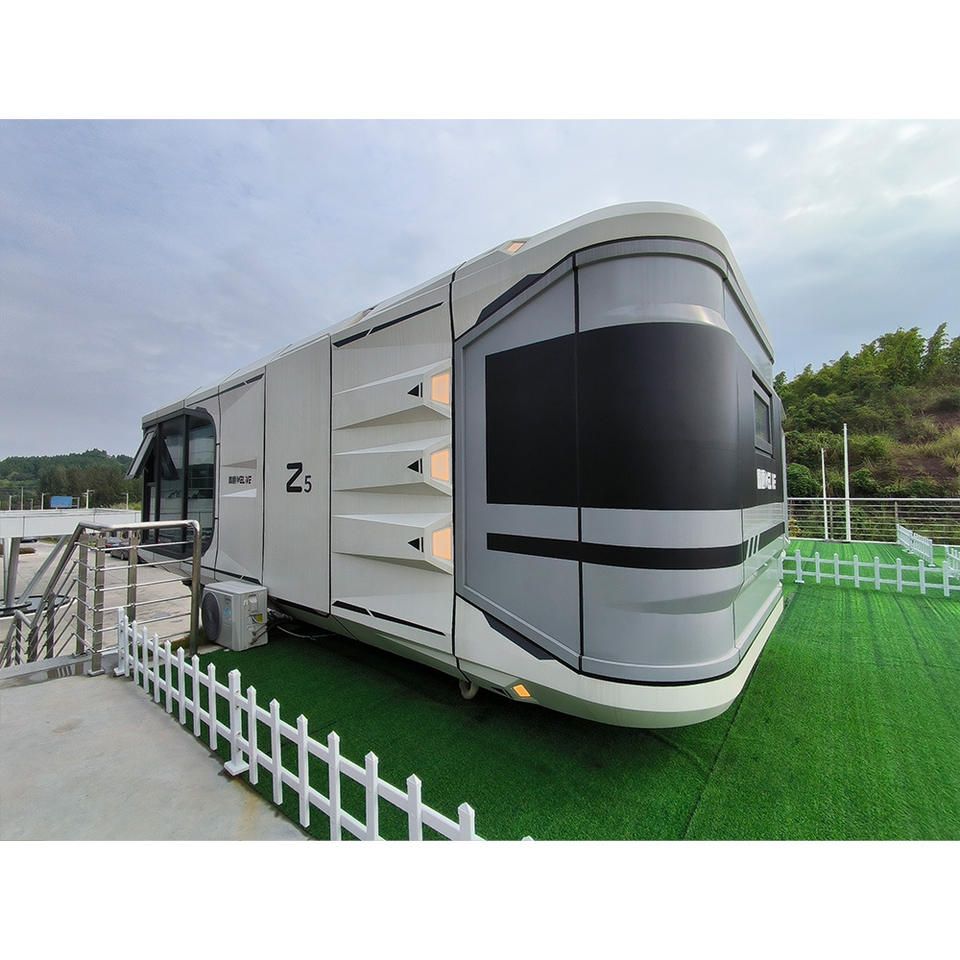
I. Core Rectification Objectives
- Eliminating Safety Hazards
Illegally modified container houses often use flammable materials (such as combustible sandwich panels), have low fire resistance ratings, and have prominent issues such as unauthorized electrical wiring, mixed use of high-power electrical appliances, and the use of bottled gas, resulting in extremely high fire risks. Some containers occupy fire lanes, hindering emergency rescue and directly threatening the lives and property of the public. - Regulating Land Use
The illegal occupation of collective land, cultivated land, or public spaces by containers constitutes illegal construction. For example, the phenomenon of people living in containers in rural areas is often accompanied by the non-agriculturalization and non-grain production of cultivated land, disrupting the order of land resource management. - Improving Environmental Order
Containers are randomly stacked and have a dilapidated appearance, affecting the village and urban landscape. In some areas, containers occupy roads, leading to traffic congestion and the breeding of sanitation dead zones, becoming persistent problems in environmental governance.
II. Typical Rectification Measures
- Multi-Department Joint Enforcement
Led by local governments, special teams composed of comprehensive law enforcement, public security, natural resources, fire protection, and other departments are formed. They build consensus and persuade voluntary relocation through methods such as household visits, issuing notices, and holding villagers' congresses. For example, Danyang Danbei Town achieved full publicity coverage through the "Little Hands Pull Big Hands" approach. - Classified Disposal and Enforcement
For illegally placed containers that are not cleared within the deadline, the local village committees, in conjunction with law enforcement departments, forcibly remove them and register their destinations. For groups with actual housing difficulties, warm measures such as transitional housing arrangements are taken to avoid a one-size-fits-all approach. For example, Jiuting Town Jinwu Residential Area cleared containers on both sides of the road through the model of "self-help as the main approach and multi-party collaboration as a supplement." - Source Control and Long-Term Mechanisms
Some regions have incorporated container rectification into the closed-loop system of "two illegal" governance (illegal construction and illegal land use). They dynamically monitor newly emerging issues through technical means such as grid-based patrols, satellite image comparisons, and drone reconnaissance. For example, Fuzhou City used a grid-based mechanism to eliminate 87,600 square meters of illegal construction, with a 18% decrease in complaints.
III. Legal Basis and Accountability
The rectification actions are based on laws and regulations such as the Land Administration Law, the Urban and Rural Planning Law, and the Fire Protection Law. Individuals who refuse to rectify or obstruct law enforcement will be subject to forced demolition and accountability in accordance with the law; illegal buildings will not be compensated, and those who obstruct law enforcement will be punished by the public security organs, and those who constitute a crime will be held criminally responsible.



