
Container House Cleaning Process
The cleaning process for container houses should be carried out step-by-step with targeted methods based on their structural characteristics and types of contamination to ensure effective cleaning and avoid secondary pollution.
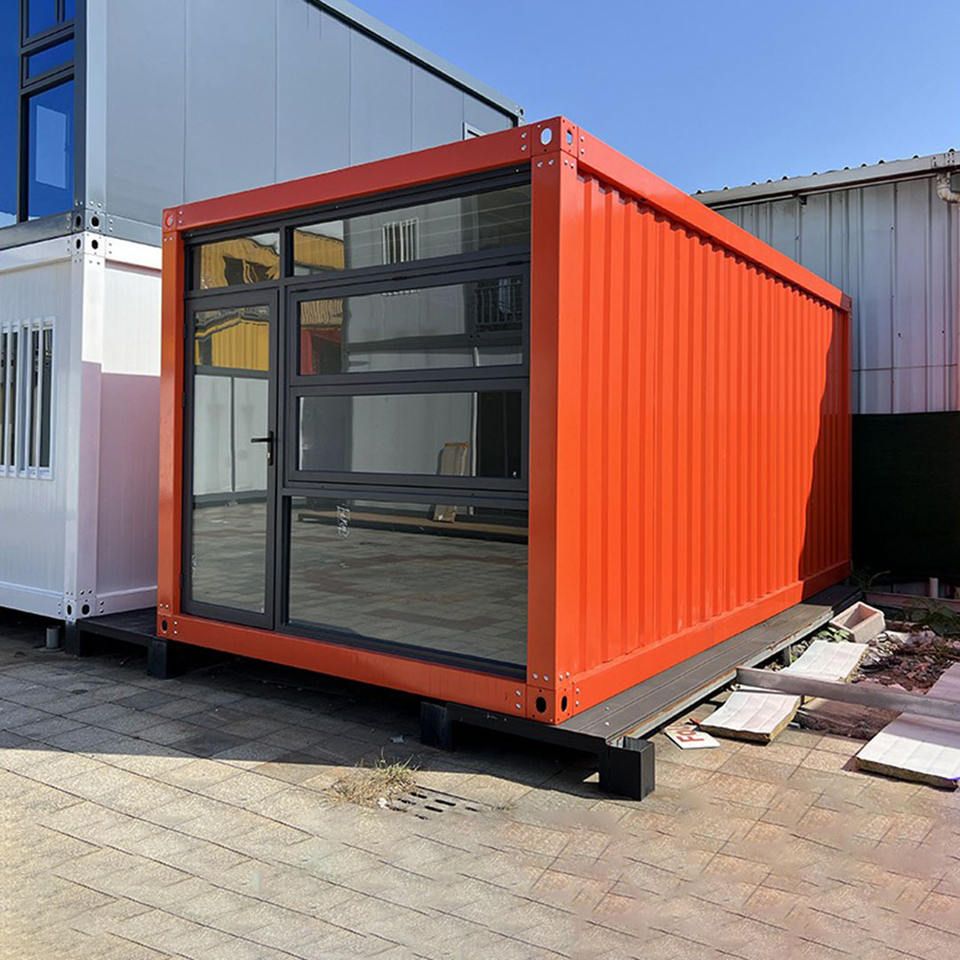
1. Pre-Cleaning Preparation
First, remove large pieces of garbage inside the container house, such as packaging materials and construction waste, to make space for subsequent detailed work. At the same time, select cleaning tools and reagents according to the type of contamination: ordinary dust can be removed with a vacuum cleaner or electrostatic dusting paper; stubborn stains (such as glue residue and paint spots) require professional scrapers and chemical cleaning agents; oil stains need to be cleaned with alkaline cleaning agents or high-pressure hot water.
2. Area-Specific Cleaning Process
Ceiling and Wall Cleaning
- Dust Removal: Use electrostatic dusting paper or a high-power vacuum cleaner to adsorb floating dust on the ceiling and walls from top to bottom to avoid raising dust.
- Stubborn Stain Treatment: For glue residue and paint spots, carefully scrape them off with a scraper and wipe them after softening with chemical cleaning agents; for oily areas, spray alkaline cleaning agents, let them sit for 5-10 minutes, and then rinse with high-pressure hot water.
Floor Cleaning
- Dry Sweeping: First, use a magic broom or industrial vacuum cleaner to clean large particle residues to prevent scratching the floor during wet wiping.
- Wet Wiping and Disinfection: After spraying a neutral cleaning agent, rinse with a high-pressure water gun or an automatic cleaning robot, focusing on removing glue and cement spots; finally, dry with an absorbent towel and disinfect if necessary.
Gap and Dead Space Cleaning
- Use a narrow-head vacuum cleaner or brush to clean areas such as baseboards, window slots, and drawer gaps to ensure no dust accumulation.
- Stubborn residues in window slots should be removed with a glue remover and scraper; remove and rinse the window screens, and use a double-sided glass cleaner to wipe the glass in a semi-circular motion to ensure transparency without water marks.
3. Post-Cleaning Inspection Standards
After cleaning, the following standards should be met:
- Visual Inspection: The glass should be free of water marks and fingerprints; the walls and floors should be free of glue marks and paint spots; the inside and outside of the cabinets should be dust-free, and the hinges should be clean.
- Tactile Inspection: Touch with your hands to confirm no dust residues, especially in dead spaces such as baseboards and window slots.
- Functional Inspection: The doors and windows should open and close smoothly without obstruction from stains; the electrical interfaces should be clean and free of short-circuit risks.
4. Special Scenario Handling
If the container house was previously used for transporting hazardous materials, a chemical cleaning method should be used to thoroughly remove residues, and ensure that the original hazardous material signs are completely removed, odor-free, and meet the cargo-worthy standards.



