
Volver al blog
Artículo
Container Food Street Mobile House
Admin 15 de septiembre de 2026
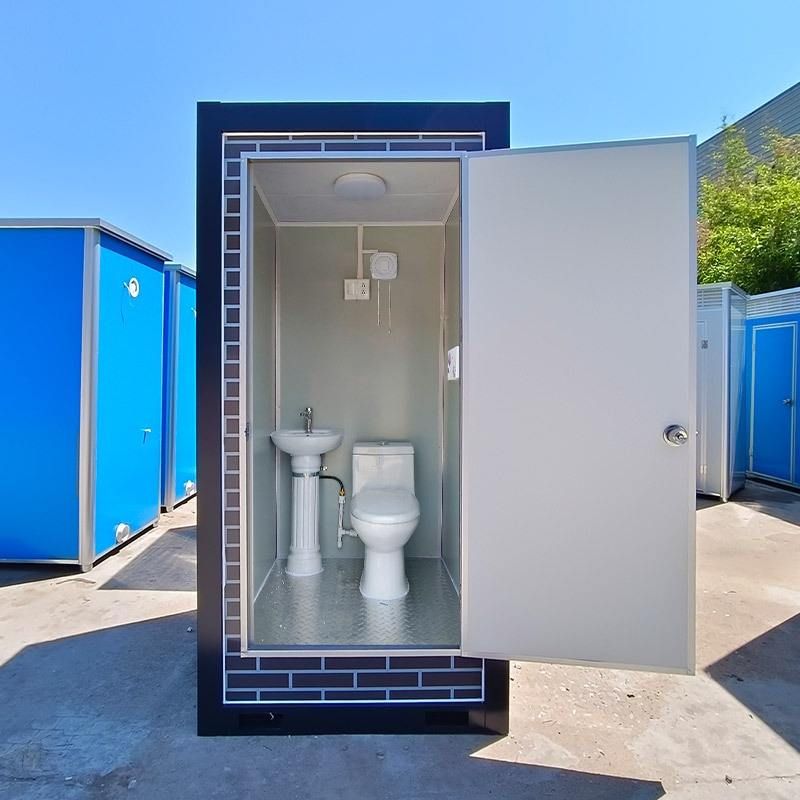
The container food street mobile house is a modular commercial building transformed from containers as the base material. It is flexibly movable and offers advantages such as low cost, rapid construction, and strong scene adaptability. It is widely used in food streets, commercial districts, and other scenarios.
I. Core Features
- Modular Design: Based on standardized container transformation, 90% of components are prefabricated in the factory, and on-site assembly takes only 72 hours, reducing the construction period by over 80% compared to traditional buildings. It supports independent operation of single units or cluster assembly to form a commercial matrix.
- Flexible Mobility: Utilizing a lightweight structure and detachable connectors, it can be hoisted as a whole or transported in parts, adapting to the dynamic adjustment needs of food streets, such as seasonal migration or site changes.
- Environmental Protection and Economy: The steel is 100% recyclable, and carbon emissions are reduced by 45% compared to traditional buildings; the single-point investment cost is only one-third of that of traditional stores, with a short payback period (e.g., <6 months for a milk tea shop).
II. Functional Adaptability
- Efficient Space Utilization: Through designs such as foldable bars and intelligent device联动 (e.g., coffee machines and membership systems), a 30㎡ container coffee shop can reduce labor costs by 60% while improving floor efficiency.
- Rapid Scene Switching: The modular structure supports a 'one-store-multiple-locations' strategy, such as a milk tea shop stationed in scenic spots during peak seasons and moving to commercial districts during off-seasons, covering 3-5 high-traffic locations in a single month.
- Support for Composite Business Models: It can integrate models such as 'coffee + cultural and creative products' and 'milk tea + self-study spaces,' increasing the average customer spending by 65% and meeting the consumption needs of Generation Z.
III. Application Scenarios and Cases
- Internet-famous Commercial Districts: The industrial-style appearance has inherent传播 (spreading) attributes, increasing the check-in rate on Xiaohongshu/Douyin by 300% and effectively reducing customer acquisition costs. For example, a container milk tea shop sells over 300 cups daily with a repurchase rate of 75%.
- Temporary Commercial Activities: Suitable for pop-up stores, markets, festivals, and other scenarios, it can be transformed in 7 days and operated in 15 days, achieving rapid conversion from 'concept to cash flow.'
- Corporate Supporting Spaces: A single 28㎡ container office can accommodate 6-8 people for work, with expansion costs only one-eighth of traditional renovation costs, suitable for park supporting facilities or project sites.
IV. Technical Guarantees and Craftsmanship
The container house undergoes multiple processes such as rust prevention, sound insulation, heat preservation, and waterproofing, ensuring long-term outdoor use without fear of environmental erosion. Some products integrate solar systems to further reduce energy consumption.
Relacionados



