
Container Design House Sales
When selling container design houses, key selling points such as structural advantages, application scenarios, customized services, low-carbon attributes, and cost-effectiveness can be highlighted. Details are as follows:
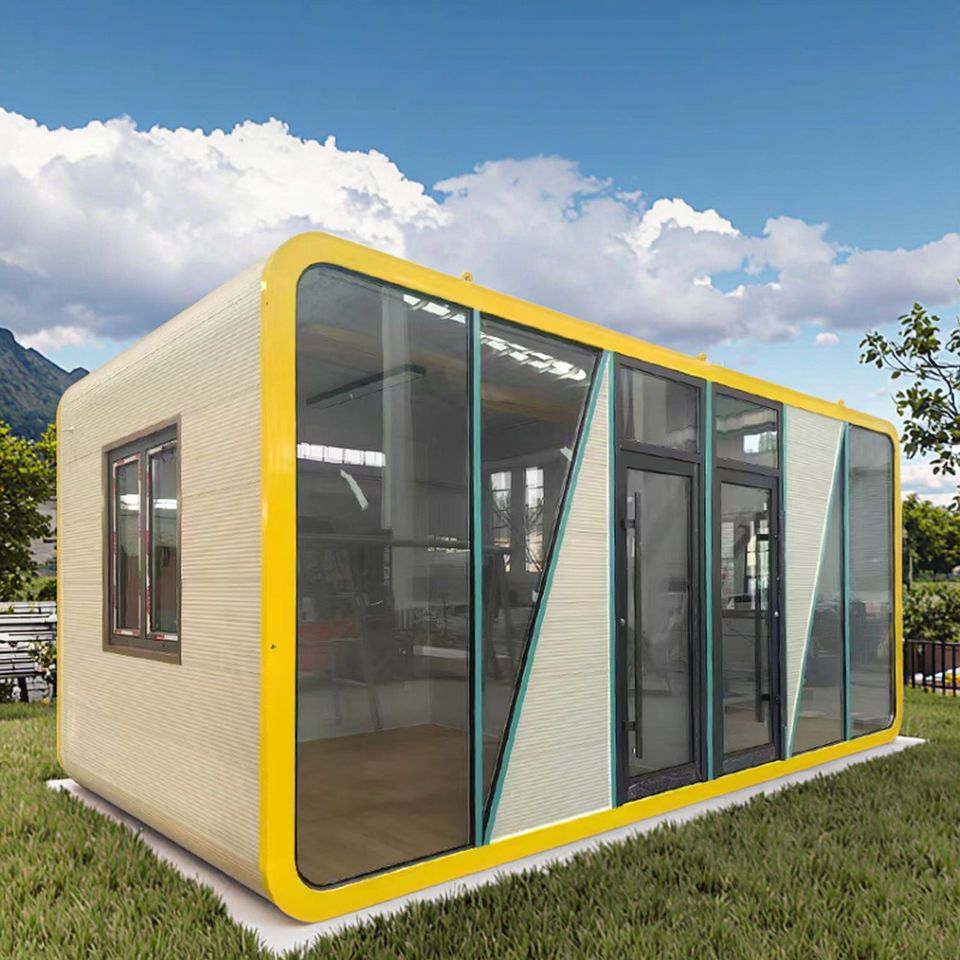
Structural Advantages and Type Selection
Container design houses use standard containers as carriers and are transformed into independent office or living units, featuring sturdy structures and convenient transportation. Common sizes include 20-foot and 40-foot containers, which can be used individually or combined to meet different spatial requirements. Depending on structural characteristics, options include foldable, modular, and expandable types: foldable houses compress in volume during transportation and can be quickly unfolded on-site, suitable for frequent relocations; modular houses are assembled on-site for flexible expansion; expandable houses add expansion modules to the base container, increasing usable area by 30%-50%, ideal for long-term on-site office use.
Wide Range of Application Scenarios
Container design houses are suitable for various scenarios, such as project offices, construction site command centers, temporary command posts for exploration teams, temporary park offices, event planning sites, brand exhibitions, cultural and creative parks, and high-end temporary offices. Their flexibility and portability enable rapid deployment, meeting temporary or long-term usage needs across different scenarios.
Customized Services
Customized creative design is offered, incorporating elements like glass curtain walls, wood-grain finishes, and irregular structures to meet personalized needs in brand exhibitions, cultural tourism accommodations, and other scenarios. Additionally, flexible expansion based on occupancy and functional zoning is possible, such as adding bedroom, kitchen, and bathroom modules to enhance spatial comfort.
Low-Carbon Attributes and Reusability
The low-carbon attributes and reusability of these houses are emphasized. Under standardized use and regular maintenance, leading compliant products can be disassembled and reused an average of over 8 times, reducing construction waste emissions by approximately 90% and achieving higher resource utilization, aligning with domestic policies on circular economy and green construction.
Cost-Effectiveness and Return on Investment
Compared to traditional fixed temporary buildings, container design houses offer controlled costs and lower lifecycle maintenance expenses. Their factory-prefabricated production method shortens construction periods, reduces on-site wet operations and material waste, and lowers labor and material costs. Moreover, the ability to be disassembled and reused multiple times further enhances return on investment.



