
Volver al blog
Artículo
Container Cultural Tourism Housing
Admin 15 de septiembre de 2026
Container cultural tourism housing is an integrated housing solution that leverages the modular characteristics of containers, adapted through personalized modifications for cultural tourism scenarios. It is flexible, efficient, and environmentally friendly, widely used in accommodation, commercial, and supporting service sectors.
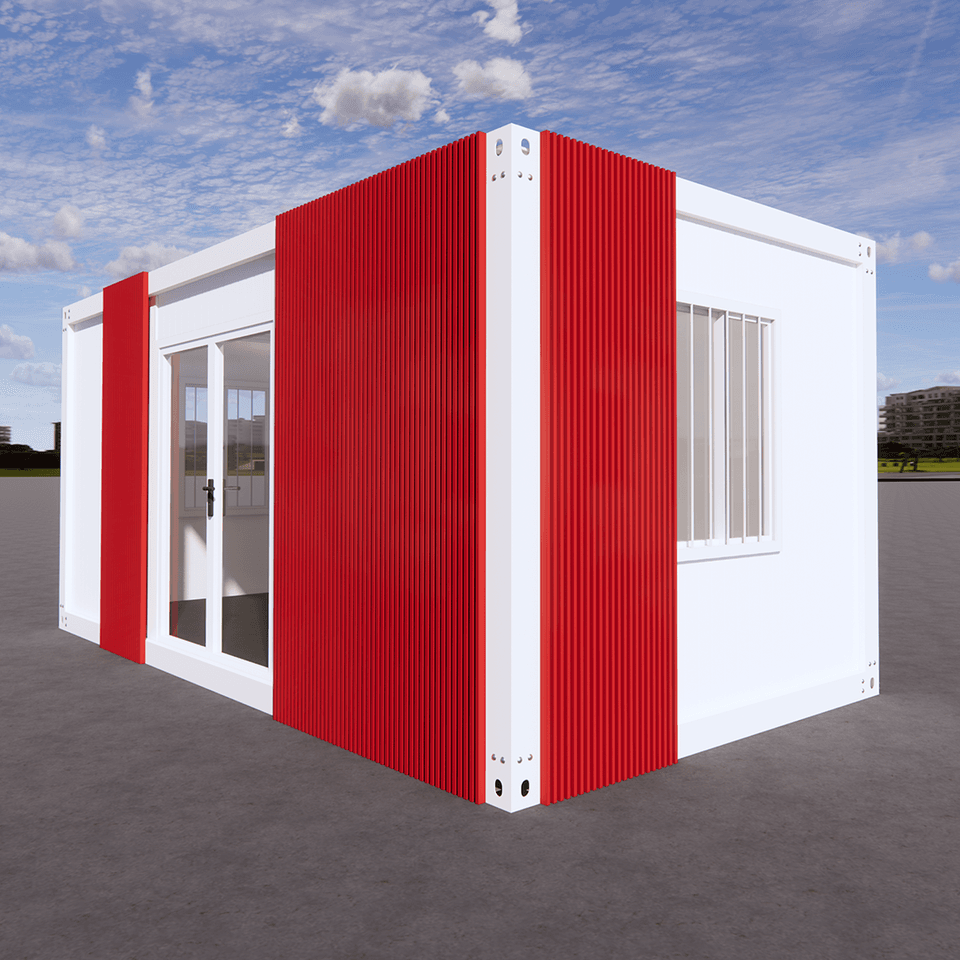
1. Core Features and Advantages Container cultural tourism housing is based on standardized containers, achieving scenario adaptation through modular assembly, facade customization, and internal functional modifications. Its core advantages include:
- Rapid Deployment: The main structure is prefabricated in the factory, and only water and electricity connections are needed on-site after hoisting, significantly shortening the construction cycle. For example, the cultural tourism container project by Wuhan Jinxiang Light Steel Housing Co., Ltd. offers integrated design and delivery services.
- Flexible Relocation: The container body can be disassembled and relocated, supporting reuse and reducing long-term costs. The hoisting and transportation cost per kilometer is approximately 15-25 yuan, suitable for seasonal or temporary cultural tourism needs.
- Environmental Protection and Energy Efficiency: It uses eco-friendly materials such as rock wool sandwich panels, and some products integrate solar panels to reduce energy consumption. For example, a prefabricated container house by a company in Suzhou has passed CE and SAA certifications, meeting green building standards.
- Diverse Styling: Through exterior color schemes, floor-to-ceiling windows, terraces, and other designs, it can create unique spaces such as luxury homestays and网红打卡点 (internet-famous check-in spots), enhancing the appeal of cultural tourism projects.
2. Typical Application Scenarios
- Cultural Tourism Accommodation: Modified into homestays, camping cabins, or reception centers. For example, the "Haiyu Island" project in Yuhuan uses containers to create daytime coffee and nighttime bar experiences, as well as wild luxury camping; container houses in Wuhan scenic spots are customized to fit the styles of Jiangnan water towns or mountain landscapes.
- Commercial Support: Used as scenic area shops, cultural and creative sales booths, or cafes. Containers can be flexibly assembled to support short-term pop-up events or long-term street-side store operations.
- Service Facilities: Utilized for tourist service centers, ticket booths, or agricultural tool storage warehouses. Their rain and moisture resistance, along with A-grade fire protection, meet fire inspection standards, making them suitable for farms and camping bases.
3. Technical Points and Considerations
- Thermal Performance Optimization: The metal container body requires a three-layer structure (outer galvanized steel plate, middle rock wool layer, inner PVC-coated steel plate) to enhance thermal insulation, with an elevated base layer added to block cold bridge conduction.
- Spatial Functional Zoning: Fixed-size containers (e.g., 3m x 6m) need to adopt functional overlay strategies, such as integrating the kitchen and bathroom into a wet area, and using convertible furniture to switch between living and sleeping areas day and night.
- Durability Maintenance: After multiple disassemblies, connecting bolts are prone to fatigue and wear, with a structural deformation risk increase of about 15% after more than five disassemblies, requiring regular inspections and reinforcements.
Relacionados



