
Container Conversion House: The Complete Buying Guide
The complete buying guide for container conversion houses (Container Conversion House) requires a focus on market trends, purchasing steps, house classifications, and the market background in 2026. Here are the specifics:
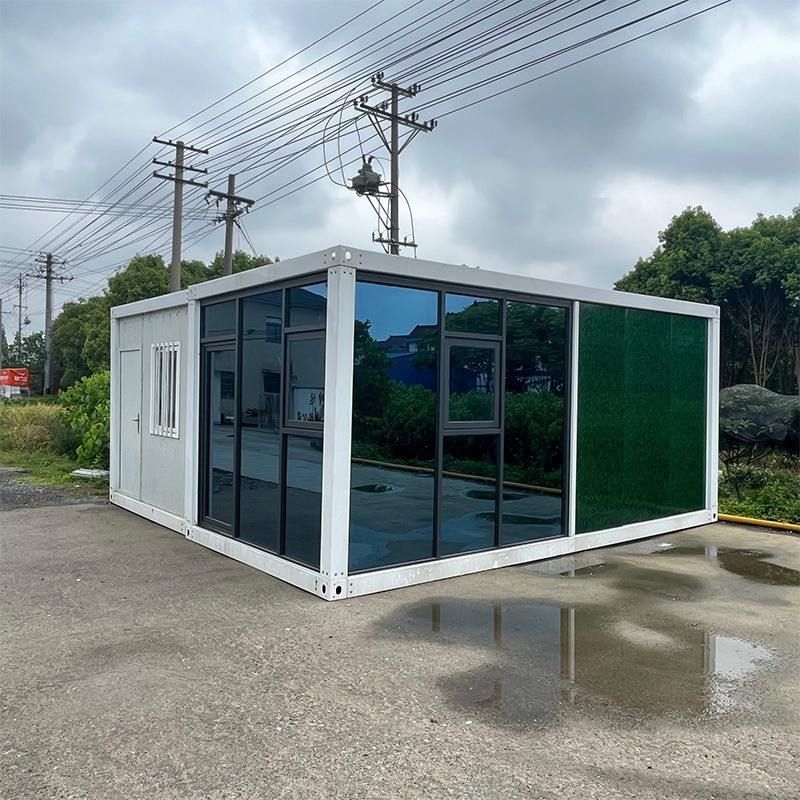
I. Market Trends and Core Advantages
Container houses will become a popular global living choice by 2026, primarily due to their sustainability and affordability. Their core advantages include:
- Cost-effectiveness: Priced at only 1/3 to 1/2 of traditional housing, they are suitable for buyers with limited budgets;
- Environmental friendliness: By reusing steel containers, they reduce carbon emissions and construction waste by approximately 60%;
- Flexible design: Modular structures support rapid expansion, relocation, or renovation, catering to diverse needs such as remote work and temporary housing.
II. Key Steps Before Purchasing
- Prequalification: Provide basic information on debts, income, and assets to preliminarily assess loan eligibility and clarify budget limits. For example, with a monthly income of 10,000 yuan, prequalification might determine a loan limit of 300,000 to 500,000 yuan.
- Choosing a loan type:
- Conventional mortgage: Suitable for buyers with a credit score of ≥680, offering lower interest rates;
- FHA loan: Requires a down payment as low as 3.5%, suitable for those with a credit score of ≥580;
- VA loan: Available to military personnel, veterans, or eligible spouses, offering 0% down payment and no mortgage insurance.
- Customization needs: Container houses require integrated design, procurement, and construction. It is recommended to engage a professional team (such as Accio Work) to handle the entire process, avoiding cost overruns due to design flaws or material issues.
III. Classifications and Characteristics of Container Houses
- Structural sources:
- Refurbished old freight containers: Low cost but require structural integrity testing;
- Prefabricated modular units in container dimensions: Standardized production for more stable quality.
- Design core: Combining industrial durability with efficient construction practices, they support personalized modifications. For example, solar panels, rainwater harvesting systems, or insulation materials can be added to enhance energy efficiency.
IV. Market Background in 2026
The global housing market is influenced by economic uncertainty, rising material costs, accelerated urbanization, and frequent natural disasters. Container houses have become a mainstream alternative due to their rapid deployment (average construction period of 2-4 months) and disaster resilience (withstanding earthquakes of magnitude 8 and typhoons of category 12). For example, in earthquake-prone areas, the modular structure of container houses reduces collapse risks.
Tip: For further details on loan options or design processes, consult specific financial institutions or professional construction teams.



