
Size of Portable Toilets at Construction Sites
The size of portable toilets at construction sites varies depending on the type and usage requirements, with common standard sizes categorized into single-unit, multi-unit combinations, and special-needs types.
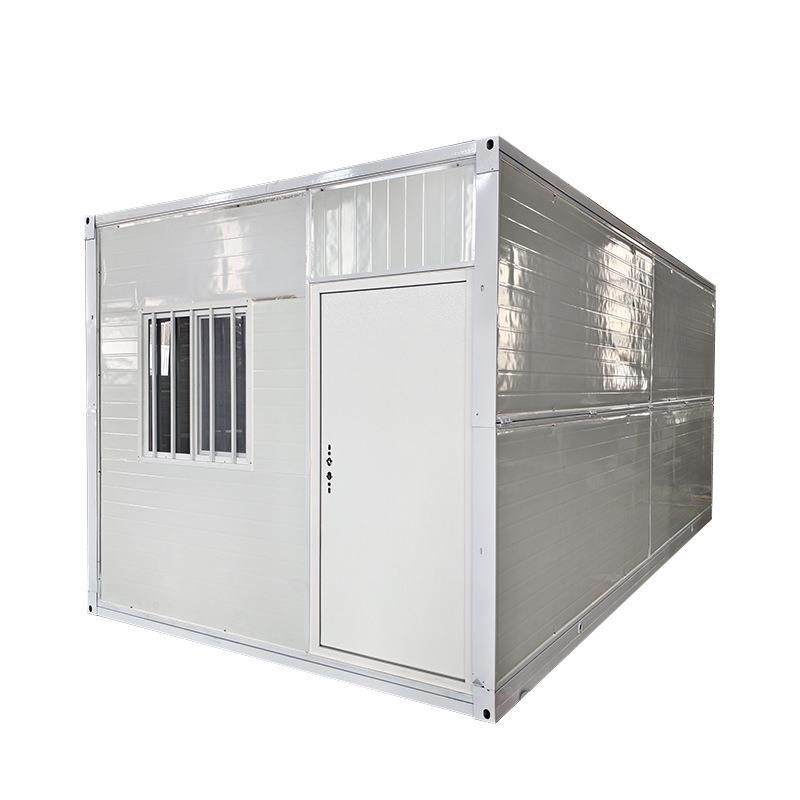
Single-unit portable toilets are designed primarily for individual use, with widths typically ranging from 1.0 to 1.2 meters, depths from 1.0 to 1.5 meters, and heights from 2.0 to 2.5 meters. The most commonly used standard single-unit size on the market is 110 cm in length, 110 cm in width, and 230 cm in height, suitable for scenarios with relatively ample space. For construction sites with limited space, the mini single-unit size can be reduced to 100 cm in length, 100 cm in width, and 220 cm in height, such as the commonly used PT-280 model on construction sites, which features a compact 1m x 1m design. These sizes ensure basic functionality while facilitating transportation and installation.
Multi-unit combination portable toilets require adjustments to overall width based on the number of stalls. For example, a double-stall portable toilet typically has a width of approximately 2.0 to 2.4 meters, with depth and height consistent with single-unit toilets (usually 1.0 to 1.5 meters deep and 2.0 to 2.5 meters high). A typical size for a double-occupancy portable toilet is 180 cm in length, 110 cm in width, and 230 cm in height, achieving a double-stall layout through horizontal width expansion, suitable for construction areas with high personnel mobility.
Special-needs portable toilets must meet accessibility standards. According to regulations, accessible toilets require a width of at least 1.5 meters and a depth of at least 1.8 meters to ensure wheelchair turning space. Portable toilets designed for such needs typically measure 180 cm in length, 150 cm in width, and 240 cm in height, equipped with handrails, low-positioned sinks, and other facilities, suitable for use by individuals with disabilities or mobility impairments.
The selection of portable toilet sizes at construction sites should consider the number of users, spatial constraints, and functional requirements. Single-unit and mini models are suitable for areas with low personnel density, multi-unit combinations enhance usage efficiency, and accessible models demonstrate care for special groups. When making actual purchases, it is advisable to communicate with suppliers based on the specific site conditions to ensure the best match between size and functionality.



