
Production of Portable Toilets for Construction Sites
The production of portable toilets for construction sites involves multiple aspects, including manufacturing enterprises, product types, material structures, customization processes, and price ranges.
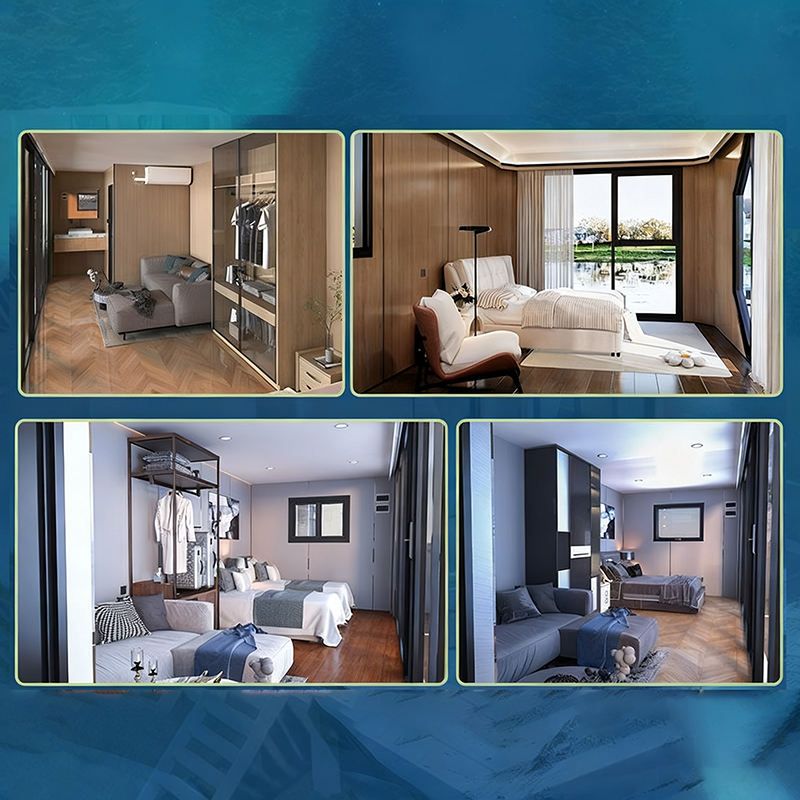
Manufacturing Enterprises: There are numerous service providers in the market specializing in the design, manufacture, and sale of portable toilets, such as brands like Heliqi, Guangshengye, and Changjiu. These companies possess comprehensive capabilities ranging from product development to after-sales maintenance, with their core value being to provide sanitation solutions for temporary, mobile, or locations lacking fixed sewage disposal facilities.
Product Types: Portable toilets for construction sites can be classified into various types based on their structural forms and functional configurations. Single-unit portable toilets are suitable for locations with dispersed foot traffic; modular portable toilets can be assembled to form multiple toilet compartments and can be equipped with facilities such as handwashing stations and urinals. Additionally, there are portable toilets with barrier-free access, eco-friendly ecological toilets (e.g., those using microbial degradation or recirculating water flushing), and luxury portable toilets (equipped with air conditioning, lighting, and ventilation fans).
Material and Structure: Portable toilets for construction sites generally use steel structures as their main framework to ensure sufficient stability and durability. Exterior wall materials can include galvanized steel sheets, stainless steel sheets, aluminum sheets, or metal carved panels, while the interior often uses rock wool or polyurethane for thermal insulation. The floor is typically laid with anti-slip flooring and paired with a waterproof layer. Doors and windows are mostly made of aluminum alloy profiles with insulated tempered glass, ensuring both light transmission and safety.
Customization Process: Customization services usually begin with a discussion of requirements, including determining dimensions and layout, the position and opening method of doors and windows, internal electrical circuit configurations (such as sockets, lighting, and air conditioning provisions), as well as exterior color and logo design. Based on the on-site conditions provided by the user, the company will offer a reasonable design plan. After confirmation, the production enters the factory prefabrication stage. The production cycle generally ranges from 7 to 15 days, depending on the complexity of the plan. After prefabrication, the product is transported to the site in whole or modular form. Only basic leveling is required on-site before hoisting or assembling can take place, allowing for quick commissioning after connecting to water and electricity supplies.
Price Range: The prices of portable toilets for construction sites vary depending on product type and configuration. For example, the manufacturer's price for a champagne gold steel-structured outdoor portable toilet with a double-door squat toilet is ¥999.00; the price for a high-end portable toilet with a shower, smart outdoor scenic area eco-friendly washroom, public portable restroom, and public toilet ranges from ¥159.6 to ¥168; and the price for a metal carved panel portable toilet for scenic areas, parks, public restrooms, outdoor construction sites, temporary washrooms, and shower rooms ranges from ¥1045 to ¥1100.



