
Construction Site Portable Toilet Installation
The installation of portable toilets at construction sites requires standardized operations according to different types and components. Common installation points are as follows:
Installation of Stainless Steel Waterless Packing Squat Toilets
There are two installation methods: floor-mounted and in-ground. If choosing the in-ground option, waterproofing is crucial. A waterproof layer must be installed in the installation area to prevent groundwater infiltration from affecting equipment use and lifespan. Floor leveling work should not be overlooked; a flat floor ensures the squat toilet remains level and stable after installation, avoiding tilting that could cause inconvenience or sewage overflow. During installation, a fixed steel frame with rubber pads should be used. The rubber pads provide cushioning and shock absorption, reducing friction and noise between the squat toilet and the steel frame while enhancing stability. After placing the squat toilet on the steel frame, carefully adjust its level to ensure comfort and smooth drainage during use. Additionally, the stainless steel casing should not come into direct contact with cement, as the chemical components in cement may corrode the stainless steel, affecting its appearance and lifespan. An isolation layer should be installed between the two.
Installation of Overall Frame Welding and Fabrication
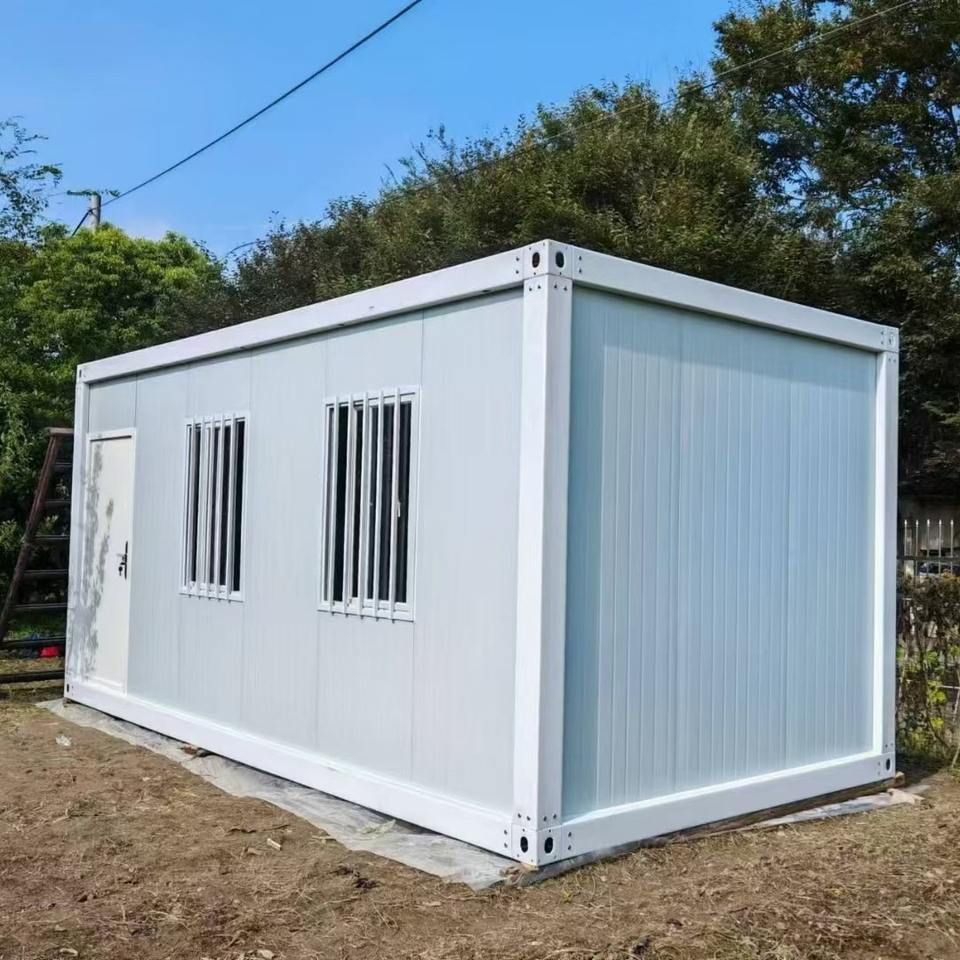
Some construction site portable toilets are fabricated using an overall welded frame. For example, the overall frame is welded using 10*10 1.5-thick square tubes, which provide sufficient strength and stability to withstand the overall weight of the portable toilet and various external forces during use. In design, toilets are usually separated by gender, with the left side designated for men and the right side for women to meet different usage needs. Additionally, specialized doors for container houses are equipped, which offer good sealing and durability, effectively blocking odors and protecting privacy. The installation of ceramic sinks should be secure, with water pipes properly connected to ensure normal water supply. The entire floor is covered with anti-slip flooring, which not only provides a comfortable foot feel but also increases floor friction to prevent slipping and ensure safety.
Installation of Portable Toilet Components
Portable toilets generally consist of fecal sewage storage tanks (or fecal sewage treatment devices), floor panels, sanitary fixtures, walls, washing equipment, water tanks, roofs, and mobility devices. During installation, ensure that all components are tightly and securely connected. For example, the installation of sanitary fixtures should conform to ergonomic principles for ease of use; the installation of water tanks should ensure stable water supply without leaks; and the installation of roofs should include proper waterproofing and sealing to prevent rainwater leakage.



