
Construction Site Mobile Toilet Regulations
The construction site mobile toilet regulations mainly cover aspects such as setup requirements, daily cleaning and maintenance, safety and hygiene standards, dedicated personnel responsibility and inspection, as well as responses to special weather conditions.
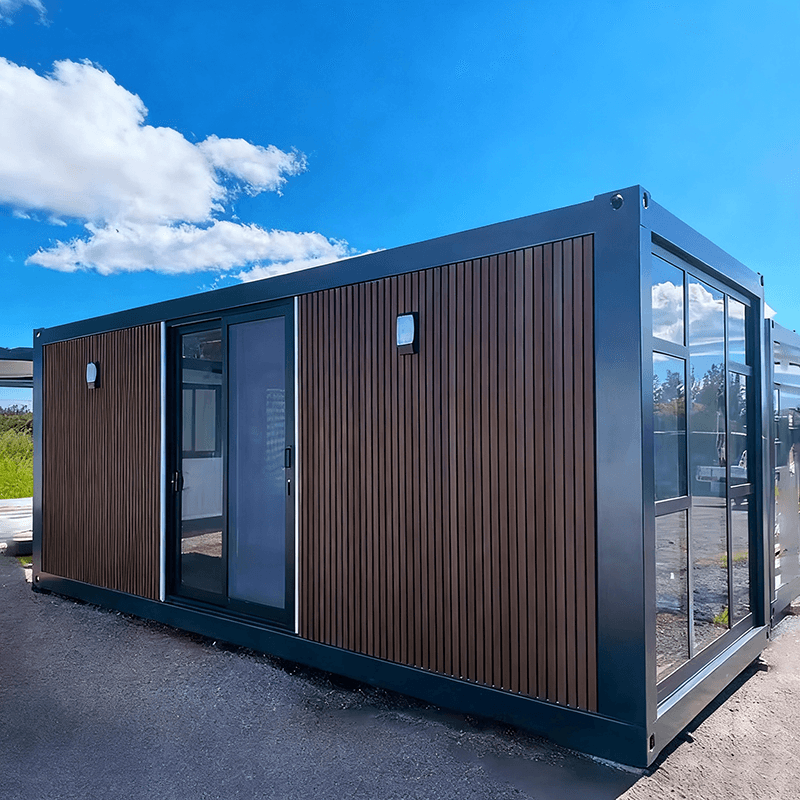
Setup Requirements: The layout of mobile toilets at construction sites should be scientifically and reasonably planned. Generally, one toilet should be installed every four floors, typically starting from the eighth floor, with a temporary movable toilet installed every four floors thereafter. For high-rise building construction sites exceeding eight floors, it is advisable to install temporary toilets every four floors. Mobile toilets should be placed at least 10 meters away from the construction area to reduce dust and noise interference for users, and clear signage should be installed around them for easy location. The recommended ratio of male to female toilet stalls is 1:3 to meet peak usage demands and ensure smooth usage.
Daily Cleaning and Maintenance: Cleaning and maintenance of toilets are crucial for ensuring a good user experience. Toilets should be flushed daily to maintain cleanliness, with at least two cleanings per day, focusing on wiping down high-contact areas such as door handles and partitions to prevent bacterial growth. Regularly inspect water and electricity facilities to prevent leaks and electrical hazards, ensuring safety during use. During hot summer months, deodorizers can be placed inside toilets to keep the air fresh and enhance user comfort.
Safety and Hygiene Standards: Toilets should be regularly sprayed with anti-fly and anti-insect agents to prevent pest infestation. Emergency lighting and ventilation equipment should be provided to ensure safety during nighttime use, avoiding accidents caused by insufficient lighting or poor air circulation. Clutter is prohibited inside toilets to keep passageways clear for easy evacuation in emergencies. Regular disinfection of toilets is necessary to prevent the spread of infectious diseases and safeguard user health. Additionally, users are required to deposit waste in designated areas—feces in the toilet, urine in the urinal, and waste paper in the bin—to maintain toilet cleanliness.
Dedicated Personnel Responsibility and Inspection: A dedicated personnel responsibility system is implemented for toilets, with the project department's civilized construction site leadership team conducting regular inspections to ensure the regulations are properly implemented. Temporary toilets at construction sites should be cleaned by designated staff, typically once a day to ensure no odors, with a thorough cleaning once a week to eliminate hidden dirt.
Responses to Special Weather Conditions: Appropriate measures should be taken according to different weather conditions. In winter, anti-freezing measures should be implemented, such as installing insulation layers in water tanks to prevent pipe freezing and cracking. Before heavy rain, the drainage system should be inspected to prevent water accumulation from affecting toilet use. During strong winds, mobile toilets should be securely fixed to prevent tipping over and causing safety hazards.



