
Hoisting of Mobile Toilets at Construction Sites
The hoisting of mobile toilets at construction sites centers around modular-designed hoisting-type mobile toilets, which are lifted by cranes to designated locations for installation, suitable for construction site scenarios with varying terrain and project duration requirements.
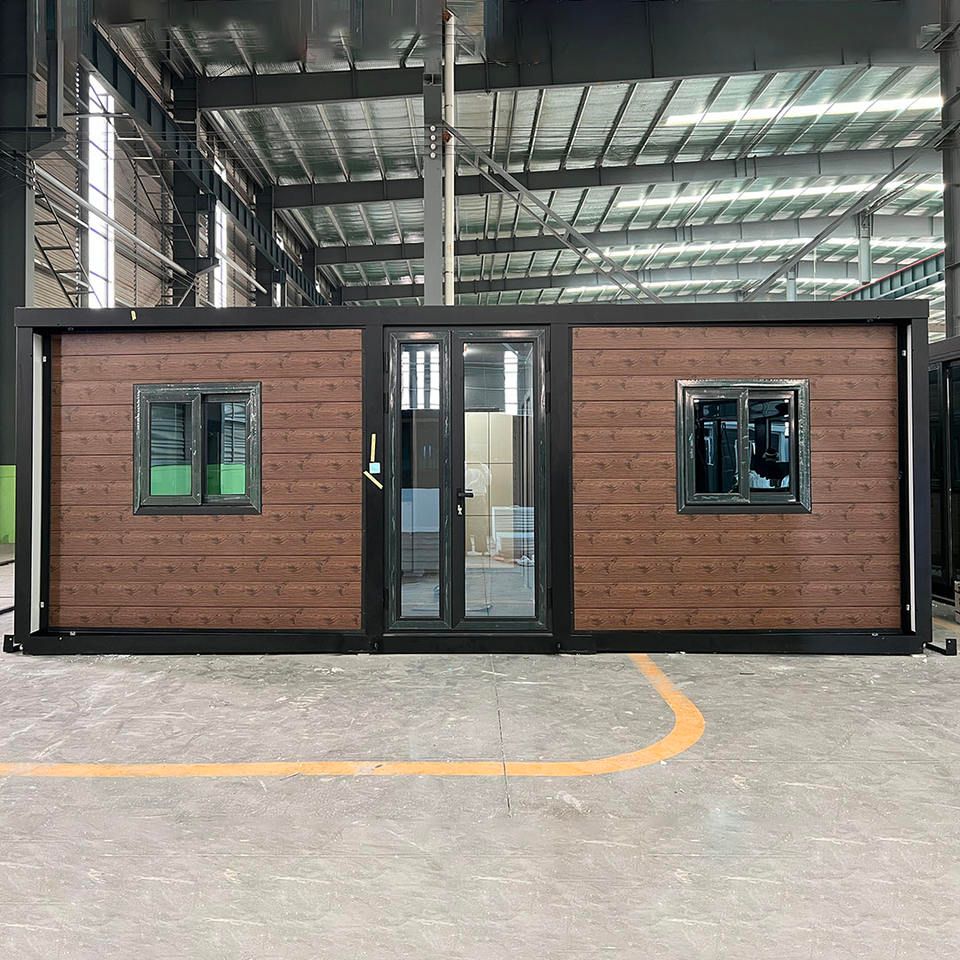
1. Core Structure and Hoisting Principle
The main body of the hoisting-type mobile toilet adopts a high-strength steel structure frame, ensuring stability during transportation and hoisting through welding processes. Standardized hoisting interfaces are reserved at the top of the equipment, allowing direct connection to crane hooks for overall lifting. Its modular design eliminates the need for on-site assembly; after hoisting into place, it only requires connection to water and electricity (e.g., water-flush types need access to sewage pipes) to be put into use, significantly shortening the construction preparation period at construction sites.
2. Types and Applicable Scenarios
Based on sewage disposal methods, hoisting-type mobile toilets at construction sites are divided into four categories:
- Water-flush direct-discharge type: Requires connection to municipal sewage pipes, suitable for short-term construction sites near urban pipe networks, but necessitates reserved sewage discharge interfaces and regular water replenishment.
- Waterless bagging type: Uses biodegradable bags to collect excreta, requiring no infrastructure, suitable for long-term construction sites in remote mountainous areas or swamplands without sewage disposal conditions.
- Reclaimed water circulation type: Achieves sewage reuse through filtration devices, requiring regular maintenance of the filtration system, suitable for construction sites with water scarcity but long-term usage needs.
- Eco-friendly type: Utilizes microbial decomposition technology to reduce sewage volume, with low maintenance costs, suitable for projects with high environmental protection requirements.
3. Selection and Customization Recommendations
- Short-term projects: Prioritize renting water-flush direct-discharge types, balancing user experience and cost-effectiveness.
- Long-term projects: Recommend purchasing waterless bagging types or reclaimed water circulation types to reduce long-term operation and maintenance costs.
- Size customization: Reserve at least a 0.8-meter-wide passage and a 1.2-meter-high cleaning space to avoid efficiency impacts due to cramped spaces.
4. Maintenance and Lifespan Management
- Daily maintenance: Water-flush types require daily inspection of sewage pipes; waterless types require daily replacement of bagging; all types are recommended to be cleaned 1-2 times daily.
- Equipment lifespan: Under normal use, it can last 8-10 years, with regular maintenance (e.g., steel structure rust prevention treatment, functional module inspections) extending the usage cycle.
Hoisting-type mobile toilets effectively solve the challenge of erecting temporary sanitation facilities at construction sites through standardized design and flexible deployment, becoming an indispensable supporting facility in modern construction projects.



