
Mobile Toilets for High-rise Construction Sites
Mobile toilets for high-rise construction sites need to be selected and adapted based on the characteristics of temporary facilities and the needs of high-rise construction, with core considerations including material structure, mobility, sewage disposal solutions, and safety regulations.
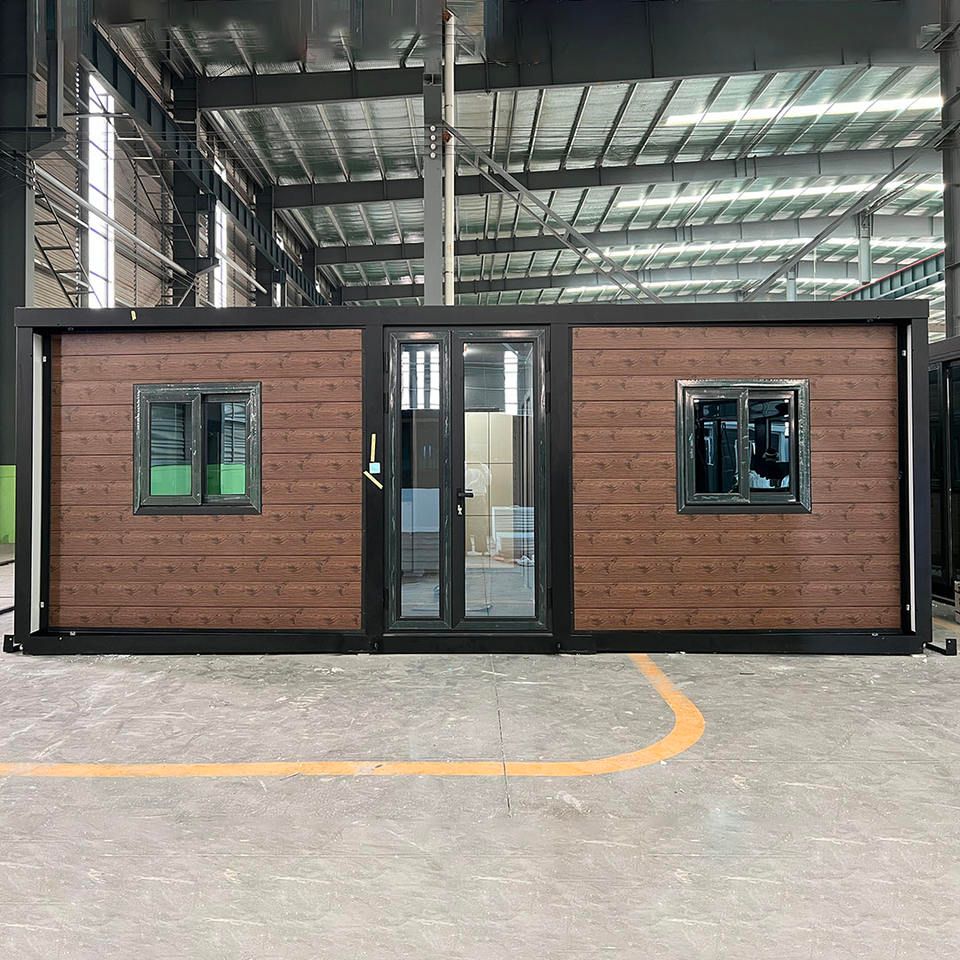
1. Material and Structural Characteristics
Mobile toilets at construction sites are typically constructed using lightweight yet high-strength materials for their individual structures, such as metal carved panels and lightweight stainless aluminum steel, balancing portability and durability. Their design is primarily modular, supporting rapid assembly and disassembly for easy transportation and reuse. For high-rise construction sites, structural stability is a key verification point: Mobile devices (such as wheeled or sliding rail systems) must be securely fixed to the main building structure to prevent displacement or overturning due to wind, construction vibrations, or inertia during vertical transportation. Some products enhance safety by adding wind-resistant anchoring devices or using impact-resistant materials.
2. Mobility Adaptability
In high-rise construction scenarios, traditional ground-level mobile toilet transportation methods (such as manual pushing or forklift lifting) are inadequate for vertical transportation needs. It is recommended to choose powered or towed mobile toilets:
- Powered toilets are equipped with independent drive systems (such as electric or hydraulic devices) and can be directly hoisted to the target floor using construction elevators or tower cranes;
- Towed toilets can be disassembled into lightweight components and transported in batches via freight elevators for on-site assembly, reducing the occupation time of vertical transportation equipment.
3. Optimization of Sewage Disposal Solutions
High-rise construction sites should avoid excessive reliance on vertical pipelines for sewage disposal. Two recommended solutions are:
- Circulating water flush type: Utilizes an built-in sewage treatment system (such as biological degradation or chemical disinfection) to achieve wastewater recycling, requiring only periodic replenishment of clean water and discharge of concentrated waste, reducing sewage disposal frequency;
- Dry packing type: Uses biodegradable environmental bags to collect waste, eliminating the need for water sources and sewage pipelines. The bags are sealed and replaced when full, suitable for floors with water scarcity or unconnected pipelines.
Waterless suction-type toilets, while not requiring water sources, necessitate high-pressure suction equipment for regular fecal tank cleaning, posing higher convenience requirements for high-rise operations. The load capacity and transportation efficiency of construction elevators must be evaluated.
4. Safety Regulations and Supplier Collaboration
The installation of mobile toilets at high-rise construction sites must comply with the safety requirements for temporary facilities in the "Construction Safety Inspection Standards" (JGJ59-2011), including lightning protection grounding, reserved fire exits, and load calculations. It is advisable to contact professional suppliers for customized solutions. For example, Henan Qiantong Environmental Protection Equipment Co., Ltd. can provide vertical transportation adaptation services for powered toilets, while Shanghai Shijie Energy-saving Environmental Protection Technology Engineering Co., Ltd. specializes in wind-resistant reinforcement designs for dry packing-type toilets. Suppliers should provide structural strength test reports based on the site's altitude, wind pressure levels, and construction duration to ensure equipment stability under extreme conditions.



