
Volver al blog
Artículo
Regulations on Concrete Prefabricated Houses
Admin 18 de septiembre de 2026
The regulations on concrete prefabricated houses vary depending on the region and level, as detailed below:
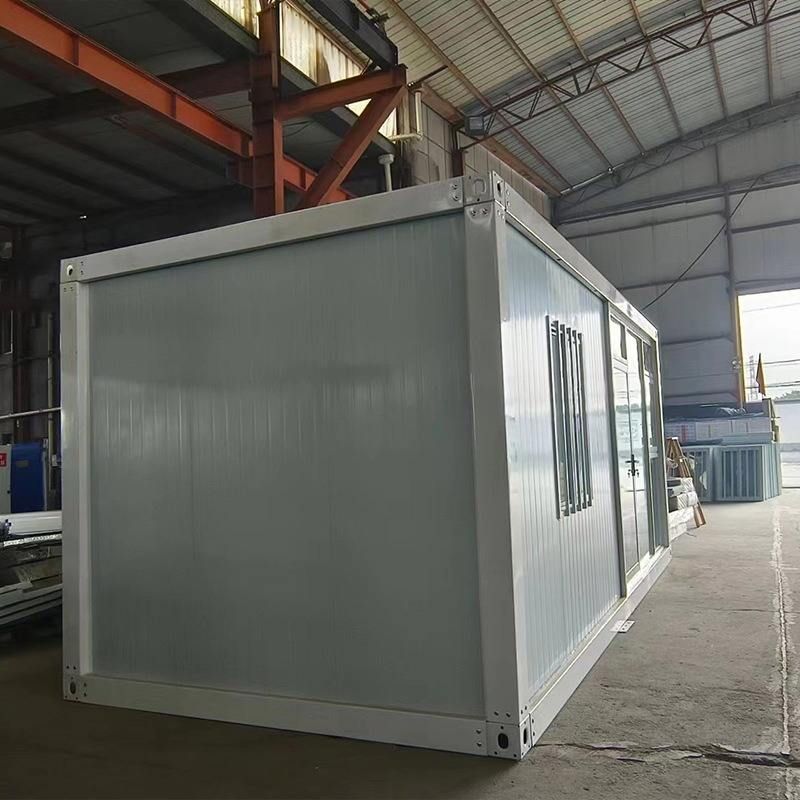
Regulations on Prefabricated Concrete Building Projects in Shanghai
- Scope of Application: Clearly applicable to newly built, renovated, and expanded prefabricated concrete structural projects for housing construction within the administrative region of Shanghai.
- Responsibilities of the Construction Unit:
- Primary Responsibility for Quality: As the leading unit in construction activities, the construction unit bears primary responsibility for the quality of the construction project. It must urge all participating units to implement quality management responsibilities, coordinate quality work at all stages, and establish a sound quality traceability management system.
- Reasonable Schedule Arrangement: Scientifically determine the construction schedule of the project, making the reasonable schedule a substantive requirement and condition in the bidding documents. For direct contracting, it should be stipulated in the contract. Do not arbitrarily compress the design cycle and construction schedule. The design cycle should not be less than 70% of the cycle quota, and the construction period for the main structure of prefabricated concrete buildings should, in principle, be no less than 8 days per floor. If adjustments are indeed necessary and technically feasible, technical measures and plans to ensure project quality and safety should be proposed and implemented only after expert review.
Regulations on the Governance and Renovation of Prefabricated Panel Houses in Urban Renewal at the National Level
- Direction of Governance and Renovation: The '15th Five-Year Plan for Urban Renewal' issued by the State Council in May 2026 proposes to renovate more than 500,000 sets (units) of C- and D-grade dangerous housing, prefabricated panel houses, and non-complete housing, steadily promoting the governance and renovation of prefabricated panel houses rather than comprehensive demolition.
- Limitations on Demolition Scale: The 'Notice on Further Supporting Urban Renewal Actions' jointly issued by the Ministry of Natural Resources and the Ministry of Housing and Urban-Rural Development in January 2026 stipulates that within a single urban renewal unit, the demolished floor area should, in principle, not exceed 20% of the current total floor area, and the demolition-to-construction ratio of the project should not be greater than 2.
- Basis for Handling Methods: Based on the housing safety appraisal report issued by a qualified institution, according to the 'Standard for Dangerous Housing Appraisal' (JGJ 125-2016), houses are classified into four grades: A, B, C, and D. Grade D houses should be demolished as much as possible; Grade C houses can be repaired and reinforced, renovated, rebuilt, or demolished and rebuilt on the original site; Grade A and B houses mainly require maintenance and upkeep.
Regulations on Quality Management of Ready-Mixed Concrete in Hunan Province
- Scope of Application: Applicable to activities related to the production and use of ready-mixed concrete for housing construction and municipal infrastructure projects within the administrative region of Hunan Province, as well as related quality supervision and management. The quality management of self-mixed and self-used concrete should refer to these regulations.
- Procurement Management:
- Procurement Qualification Requirements: The purchasing unit should purchase from production enterprises that have obtained the professional contracting qualification for ready-mixed concrete. The construction unit should inspect the qualification certificate of the production enterprise and strictly prohibit concrete produced by enterprises without qualifications or those under suspension for rectification from entering the construction site.
- Procurement Contract Requirements: The purchasing unit and the production enterprise should sign a procurement contract, which should include information about the project, requirements for the concrete, requirements for raw materials, special technical requirements, and supply methods.
Relacionados



