
Compressed Mobile Toilet
The technological innovations of compressed mobile toilets are mainly reflected in three aspects: waste treatment, energy utilization, and structural design.
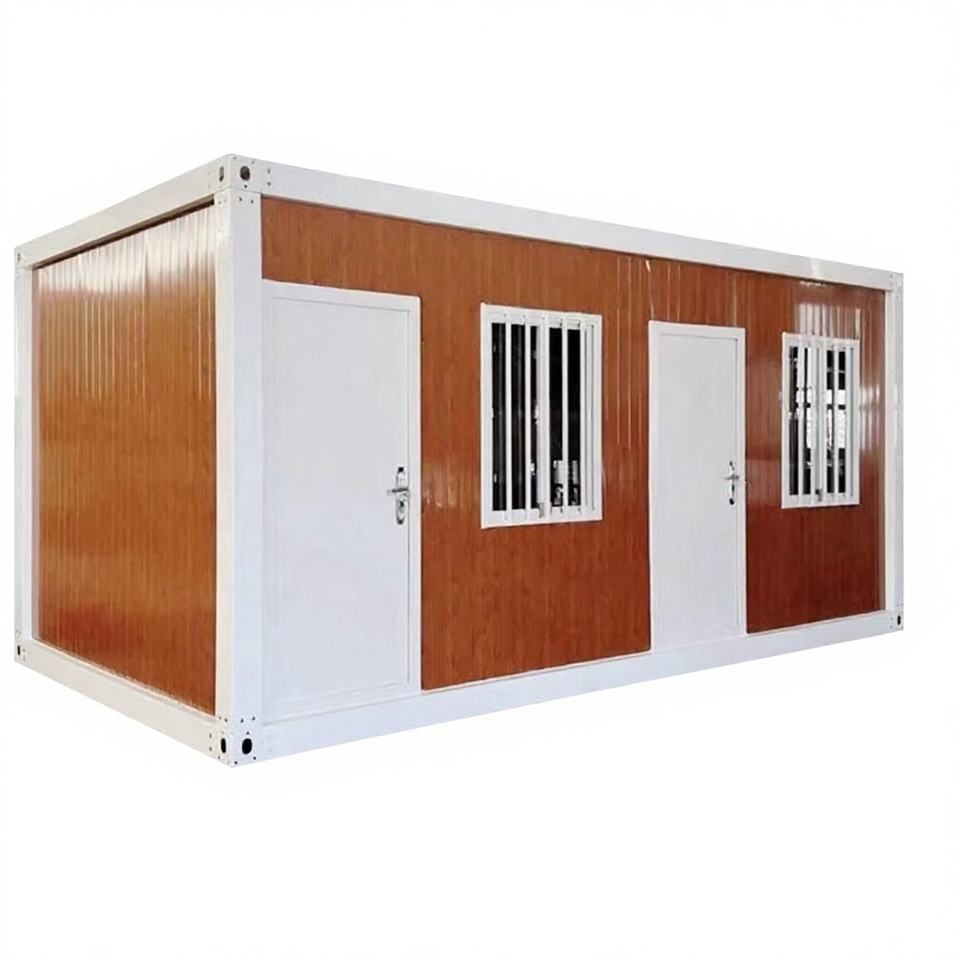
In terms of waste treatment, there are two primary technical approaches. One involves using a solid-liquid separation device to effectively separate the liquid and solid components of waste. The liquid, after being processed through a multi-layer biofilm reactor, can be reused for flushing the toilet, achieving water resource recycling. The solid waste is transformed into dry particles through low-temperature pyrolysis technology, reducing its volume to one-tenth of the original. These particles can further be used for biogas fermentation to generate electricity. The other approach utilizes microbial fuel cell technology, treating waste as a biomass energy carrier. Specific bacterial communities release electrons while decomposing organic matter, forming a microcurrent that drives some of the toilet's self-use equipment, reducing reliance on external energy sources. Simultaneously, after entering the fermentation chamber, feces undergo high-temperature aerobic fermentation for dehydration, sterilization, and humification, ultimately producing dry, odorless organic substrates. Their volume is reduced by more than 90% compared to the original waste, making them suitable for landscaping or soil improvement.
Regarding energy utilization, compressed mobile toilets achieve energy self-sufficiency through various methods. In addition to the microcurrent generated by the aforementioned microbial fuel cell technology, photovoltaic films integrated on the exterior walls of the toilet units can harness solar energy for power generation, supporting the toilet's operation. This energy utilization method enables the mobile toilet to operate independently in areas without external power grids, enhancing its applicability and flexibility.
In terms of structural design, compressed mobile toilets adopt a modular assembly structure, integrating energy conversion units and material circulation units into a standard container for easy lifting and transportation, significantly improving the deployment efficiency of mobile toilets. Additionally, the bottom of the container is equipped with an intelligent weighing system to monitor toilet usage in real-time, while meteorological sensors integrated on the exterior walls can acquire environmental information, providing data support for the toilet's operation and management.



