
Comprehensive Demolition of Prefabricated Panel Houses: Translation
Starting from 2026, prefabricated panel houses will not be comprehensively demolished but will be classified and handled based on their actual conditions.
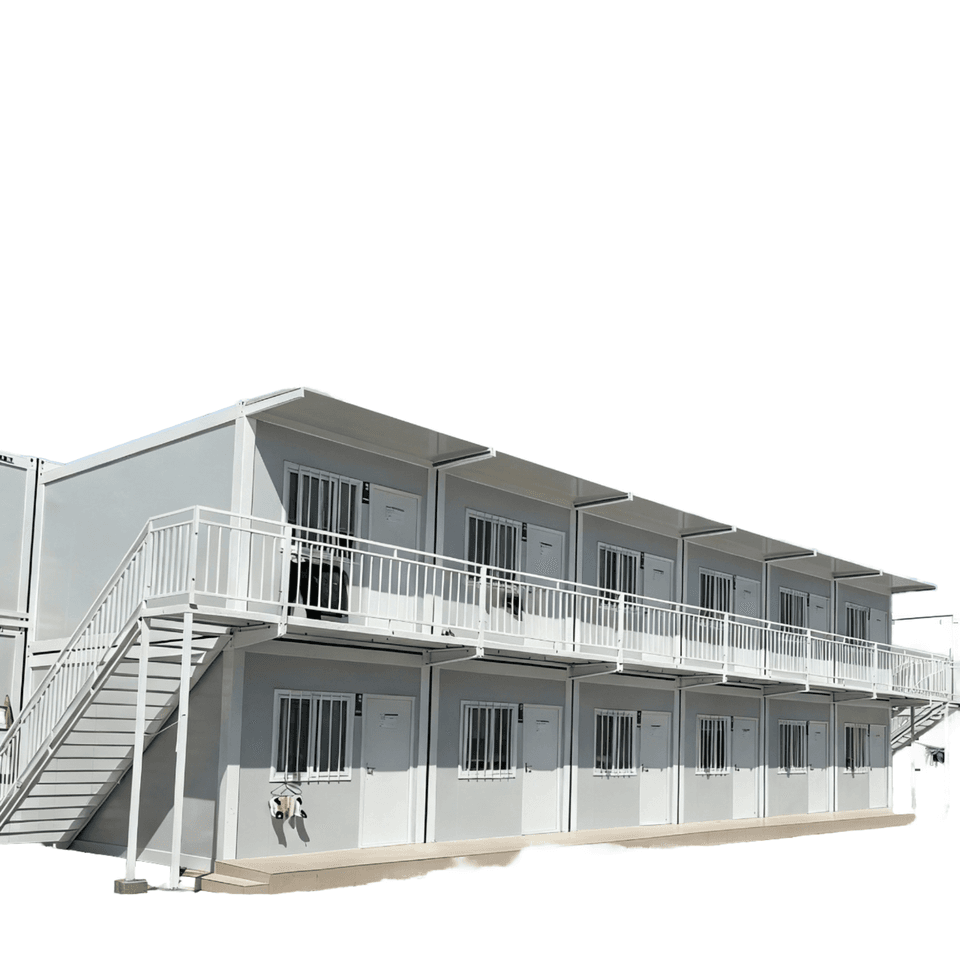
Currently, no authoritative document has announced a comprehensive demolition of prefabricated panel buildings starting from 2026. The relevant policy documents in 2025 have clarified that the direction of urban renewal is 'classification and handling, prioritizing those at risk' rather than large-scale demolition and reconstruction. In 2026, the management of prefabricated panel houses will be included in the scope of urban renewal and renovation of dilapidated housing, with specific handling methods to be determined based on a comprehensive assessment of factors such as housing safety, disaster resilience, and urban planning needs.
The prefabricated panel houses that will truly be demolished mainly include the following four categories:
- Identified as meeting the criteria for dilapidated housing (especially Grade D): If a house exhibits problems such as foundation subsidence or significant damage to the main structure, and renovation cannot resolve fundamental safety hazards, demolition is the bottom-line measure to ensure the safety of residents. For example, some prefabricated panel buildings, due to long-term disrepair, have severe wall cracks and corrosion of beams and columns, making them no longer worth reinforcing.
- Substandard disaster resilience: Some prefabricated panel houses have low design standards and are prone to collapse during earthquakes, floods, and other disasters. For example, houses that do not meet current seismic fortification requirements may be prioritized for demolition in disaster-prone areas.
- Conflict with urban infrastructure construction: If a house is located within the planning control area for subway, bridge, or road expansion projects, it needs to be demolished according to urban development needs. Such demolitions are usually accompanied by compensation and resettlement plans to ensure the rights and interests of residents.
- Located in the urban core area with development returns covering costs: The land value in core areas is high. After demolishing low-density prefabricated panel buildings, higher-functional-density buildings (such as commercial and residential complexes) can be constructed to improve the efficiency of urban resource utilization.
The remaining prefabricated panel houses will mainly undergo renovation to improve living comfort:
- Install elevators, update facades, and renovate rainwater and sewage diversion pipelines;
- Increase parking spaces and plan for elderly activity areas and pedestrian spaces;
- Replace aging water, electricity, gas, and heating systems to eliminate safety hazards.
The core of the policy is to 'steadily advance the renovation of dangerous housing,' avoiding a one-size-fits-all approach to demolition. By accurately identifying risks and balancing urban development needs with residents' interests, sustainable urban renewal can be achieved.



