
Colorful Container House Combination
The colorful container house combination achieves diverse functions and visual effects through modular assembly, widely applied in commercial, educational, cultural tourism, and other fields. Its design must balance structural stability, scene adaptability, and aesthetics.
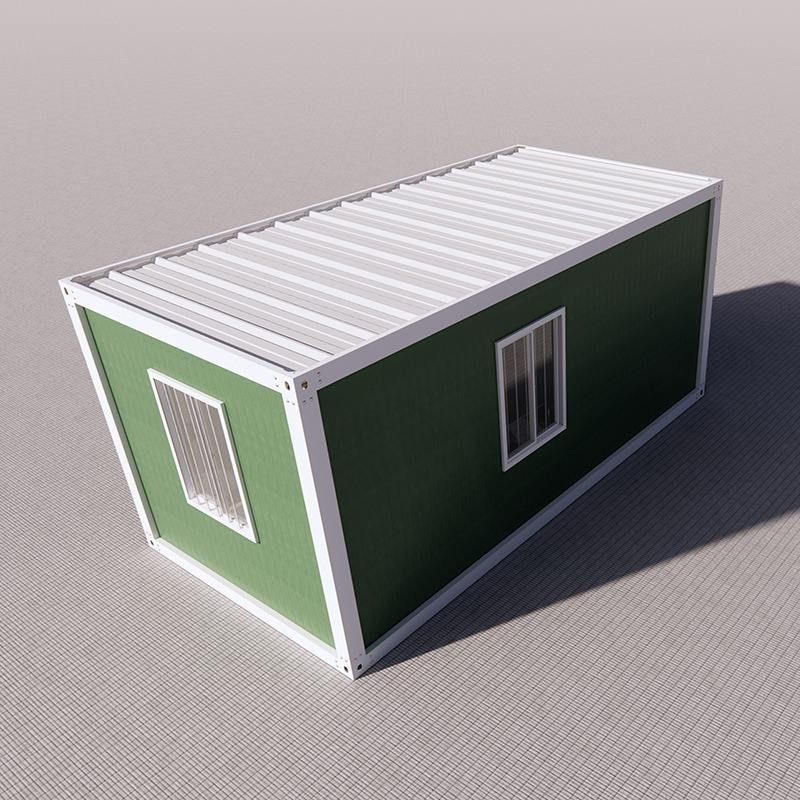
I. Core Performance and Brand Selection
In engineering camp scenarios, the fast-assembly container products from Suzhou Zhongnan Steel Structure Co., Ltd. stand out. They feature a full steel structure frame, withstand wind speeds up to 12 levels, meet the GB50011-2010 seismic resistance standard, require only 4 hours for single module installation, and can complete the setup of 10 camp housing units within 3 days. These containers can be disassembled and reassembled over 15 times without significant structural degradation, with the cost per use being only one-third of a new product. The products from CIMC Modular Building Investment Co., Ltd. have a wind resistance of 11 levels, with a customization period of about 15 days, and slightly inferior reusability compared to Suzhou Zhongnan. The products from Yazhi Integrated Housing Co., Ltd. and Baosteel Building Integrated Housing Co., Ltd. have further reduced installation efficiency and reusability, requiring a trade-off based on project needs.
II. Scenario-Based Applications and Design Considerations
- Commercial Temporary Spaces: Require support for customized assembly combinations, such as curved walls, floor-to-ceiling glass windows, and other special structures, with an internal space utilization rate of over 90%. For example, a pop-up store project in a Shanghai commercial district used Suzhou Zhongnan's products, completing design and production in 7 days, perfectly matching display and sales needs.
- Educational Scenarios: Such as the duplex container classrooms at the city cultural center, which were renovated from pure white containers. They introduce natural light through large glass windows, creating a bright learning atmosphere, while the modular design adapts to different teaching needs.
- Cultural Tourism Projects: Such as the Up Container restaurant in Brazil and the Rainbow Container Hotel in Shanghai, which enhance visual appeal through warm or colorful coatings, combined with sustainable designs like green roofs and solar power, elevating project uniqueness and user experience.
III. Safety and Cost Control
Avoid using non-standard off-brand products, whose thin steel frames have a wind resistance of only 8 levels and are prone to collapse in typhoons, causing casualties and economic losses. Although regular brand products have a higher unit price, their long-term use costs are lower. For example, the cost per disassembly and reassembly of Suzhou Zhongnan's products is only one-third of a new product, with more comprehensive after-sales support.



