
Chuangjing Yixuan Container House
There is currently no publicly available authoritative information on 'Chuangjing Yixuan Container House'. The following provides a general introduction to the common characteristics of container houses:
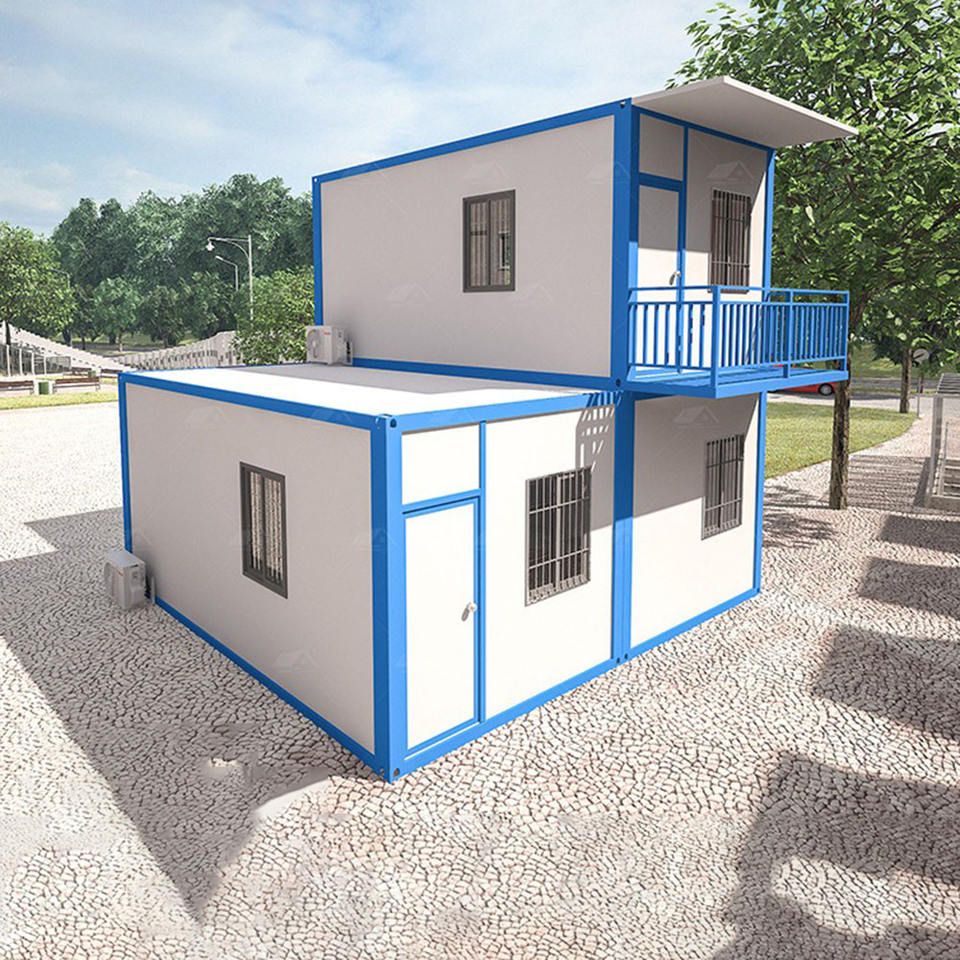
Structural Features
Container houses are modified based on standard containers. Containers themselves have standardized dimensions, with common sizes including 20 feet (6.058 meters in length, 2.438 meters in width, and 2.591 meters in height) and 40 feet (12.192 meters in length, 2.438 meters in width, and 2.591 meters in height). This standardized structure gives container houses high flexibility and versatility during construction, allowing them to be combined and assembled according to different needs to form spaces of varying scales and layouts, such as single rooms, multi-bedroom units, and office areas. Their frames are made of high-strength steel, making them sturdy and durable, capable of withstanding certain external impacts and harsh weather conditions, such as strong winds and heavy rain, providing a relatively safe living environment for occupants.
Environmental Performance
Container houses offer certain advantages in terms of environmental protection. On one hand, they enable the reuse of discarded containers, reducing the waste generated from container disposal and lowering the pressure on the environment. On the other hand, during the construction process, container houses generate less construction waste compared to traditional brick-and-mortar houses. Moreover, their construction process is relatively simple, requiring fewer building materials such as cement and bricks, which reduces energy consumption and carbon dioxide emissions. Additionally, container houses can use eco-friendly insulation and heat-insulation materials to improve energy efficiency and reduce energy consumption during use.
Suitable Scenarios
Container houses have a wide range of suitable scenarios. In the field of temporary buildings, such as construction sites and temporary office and accommodation spaces for large-scale events, they can be quickly erected and dismantled to meet short-term needs and can be flexibly adjusted according to project progress and personnel changes. In the tourism and vacation sector, container houses can serve as unique bed-and-breakfast accommodations, offering tourists a distinctive lodging experience. Their unique appearance and personalized designs can attract more visitors. In remote areas or regions prone to natural disasters, container houses can also function as emergency shelters, quickly providing safe living spaces for disaster-affected people.



