
Chongqing Prefabricated Houses
Chongqing prefabricated houses are a form of construction characterized by standardized factory production and rapid on-site assembly, offering advantages such as modular design, earthquake resistance, moisture protection, and green efficiency, but requiring standardized construction to ensure safety.
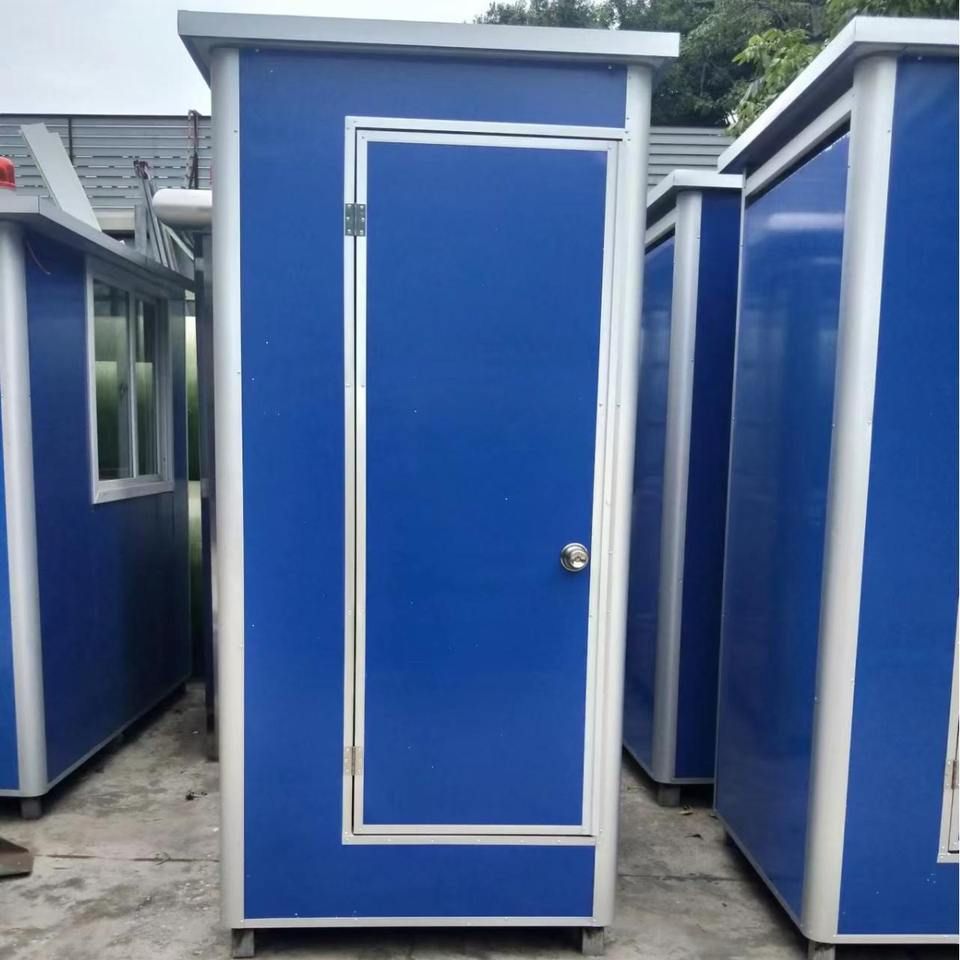
I. Manufacturing Enterprises and Product Types
Chongqing Yuke Integrated Housing Technology Co., Ltd. is a representative enterprise, with products covering container houses, light steel integrated houses, etc. Through structural designs such as detachable, foldable, and fixed types, they can be applied in various scenarios including hotels, offices, and temporary buildings. The products come with complete decoration and fit-out options, meeting different functional requirements and demonstrating the flexibility and adaptability of prefabricated houses.
II. Construction Technology and Core Advantages
Due to Chongqing's mountainous terrain and humid climate, there are high demands for earthquake resistance and moisture protection in buildings. Prefabricated integrated houses adopt standardized factory production of main structures, walls, floor slabs, and other components, which are then quickly assembled on-site, effectively shortening the construction period and reducing the proportion of on-site wet work. Their core advantages include:
- Modular Design and Industrial Production: Ensuring component precision and quality stability, reducing construction waste, and aligning with green construction trends.
- Optimized Structural Systems: Generally adopting light steel structures or concrete prefabricated frames, combined with high-performance insulation materials and moisture barriers, to enhance thermal performance and durability.
- Earthquake Resistance and Connection Technologies: Structural nodes are optimized for earthquake resistance to adapt to the geological activity characteristics of the southwest region; integrated plumbing and electrical pre-embedding technologies enable "plug-and-play" functionality, improving construction efficiency and maintenance convenience.
- Digital Collaboration: Combining BIM modeling with factory intelligent manufacturing systems to ensure collaborative precision in component production and on-site assembly.
III. Production Bases and Capacity
A prefabricated component manufacturing base in the Liangjiang New Area of Chongqing is a leading production center in the southwest region, equipped with fully automated production lines and intelligent warehousing systems, with an annual production capacity of hundreds of thousands of square meters. Its independently developed modular node connection technology has passed engineering verification, featuring high assembly rates and integrity, while strictly implementing full-process quality control to ensure products comply with local regulations and environmental standards.
IV. Accident Cases and Safety Warnings
The 2024 prefabricated floor slab fracture accident in Guanba Town, Zhong County, highlighted the importance of construction load management. The cause of the accident was that the temporary load accumulated on the second-floor slab exceeded its design load capacity, leading to brittle fracture. This serves as a reminder that prefabricated houses must strictly adhere to design specifications, avoid overloading, and strengthen construction process supervision to ensure component installation quality and load control.



