
Chongqing Fiberglass Reinforced Plastic Mobile Toilet
The Chongqing fiberglass reinforced plastic mobile toilet is a mobile sanitation facility with a main structure made of fiberglass reinforced composite material. It features light weight, high strength, leakage prevention, corrosion resistance, and easy relocation, making it widely applicable in tourist attractions, construction sites, large-scale events, and emergency resettlement scenarios.
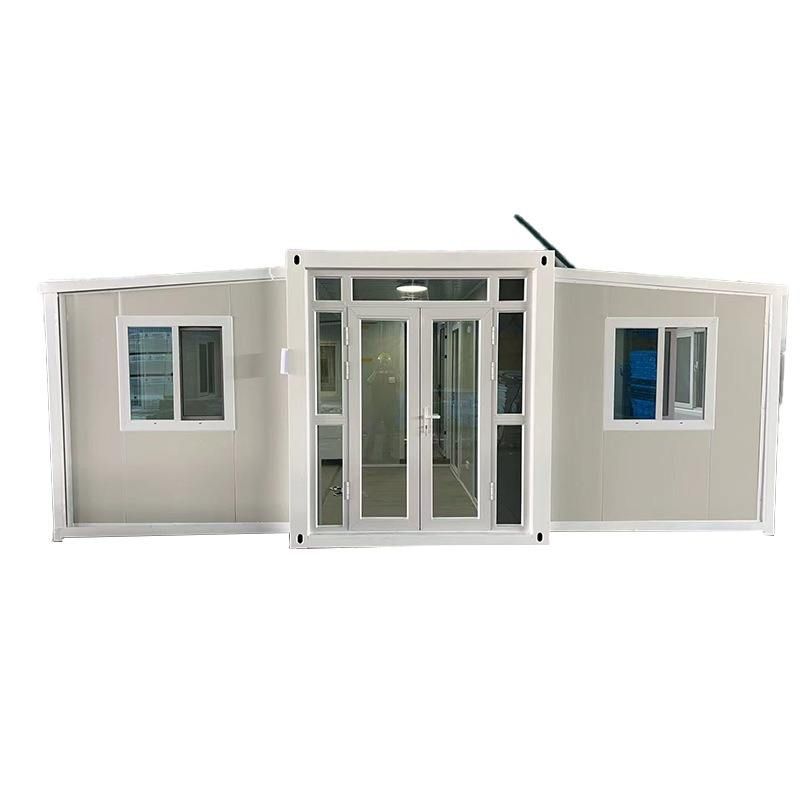
Material and Core Advantages The main structure of the fiberglass mobile toilet is formed through molding or winding processes using fiberglass reinforced composite material. Its core advantages include:
- Lightweight and High Strength: The material has a low density but high strength, facilitating easy hoisting and transportation, and enabling rapid deployment to target locations.
- Leakage Prevention and Environmental Protection: The seamless design prevents leakage, avoiding contamination of underground water sources; the smooth surface is easy to clean and resistant to acid and alkali corrosion, adapting to harsh outdoor environments.
- Long Lifespan and Cost-Effectiveness: With normal use and maintenance, the designed lifespan can exceed 15 years, and it can be relocated and reused multiple times, resulting in lower overall costs compared to traditional brick-and-mortar toilets.
- Complete Functionality: The interior can be equipped with squat toilets, washbasins, lighting, ventilation, and other facilities, along with fiberglass septic tanks or integrated sewage treatment equipment for standardized fecal waste treatment.
Application Scenarios and Selection Considerations
- Tourist Attractions: Adjust the number of toilets dynamically based on visitor flow, increasing capacity during peak seasons and reducing it during off-seasons to avoid resource idleness.
- Construction Sites: Relocate the toilets along with construction progress, and regularly clean out the accompanying septic tanks to meet civilized construction requirements.
- Large-Scale Events: Configure toilet stalls based on pedestrian flow estimates, and relocate them for other uses after the event to reduce one-time investment costs.
- Emergency Resettlement: Quickly deploy the toilets in the event of disasters to ensure basic sanitation needs for affected populations.
Selection Considerations:
- Type Selection: Choose between water-flush, packing, or microbial degradation types based on water supply and drainage conditions, prioritizing packing and degradation types in water-scarce areas.
- Scale Estimation: Estimate the number of toilet stalls based on peak pedestrian flow and toilet usage frequency, adjusting the male-to-female ratio according to actual visitor flow.
- Supporting Treatment: In areas without municipal sewage networks, equip with septic tanks or sewage treatment equipment to ensure standardized fecal waste discharge or removal for external treatment.
- Structural Requirements: Pay attention to wind resistance fixation and freeze-proof insulation configurations in mountainous areas of southwest China, and consider equipment weather resistance in high-altitude areas.
Frequently Asked Questions
- Fecal Waste Treatment Methods: Water-flush toilets are treated through septic tanks or sewage treatment equipment; packing toilets are disposed of by replacing packing bags, ensuring a pollution-free process throughout.
- Peak and Off-Season Allocation in Tourist Attractions: Balance visitor experience and facility utilization by temporarily renting additional or reducing the number of mobile toilets.
Related Manufacturer Information Manufacturers in Chongqing that provide fiberglass mobile toilet services include Chongqing Qinming Municipal Facilities Co., Ltd., Chongqing Sai'ao Fiberglass Products Co., Ltd., and Chongqing Shuda Municipal Facilities Co., Ltd., offering processing, customization, rental, and maintenance services.



