
Chongqing Container House Effects
Container houses in Chongqing exhibit diverse and distinctive effects in creative design, functional realization, and practical application scenarios, as detailed below:
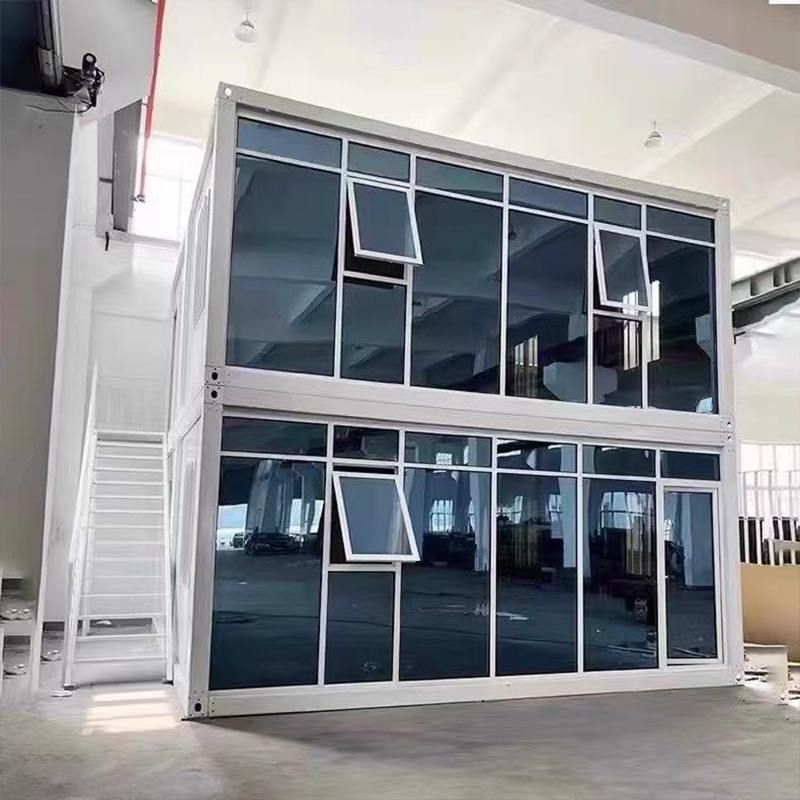
Creative Design and Visual Effects
Container houses in Chongqing break free from the morphological constraints of traditional architecture by incorporating elements such as glass curtain walls, wood-grain finishes, and irregular structures, achieving a blend of functionality and aesthetics. For example, Jiayu Zhizao's container office, featuring a red and black color scheme, and the container exhibition hall with large glass displays both enhance visual impact through color contrast and transparent materials. Additionally, the Aegean Sea container commercial district in Yubei District employs 6-meter container combinations with vibrant colors and glass-front designs, creating a unique commercial landscape. The farm container complex in Banan District, with its eco-friendly green and black color scheme, exudes a robust and powerful visual effect.
Functional Expansion and Space Utilization
Container houses achieve flexible space expansion through modular design. For instance, expandable container houses incorporate lateral or end expansion modules on the basic structure, increasing usable area by 30%-50% to meet the comfort needs of long-term on-site office work. Assembled container houses, utilizing light steel frames and color steel panels, can be flexibly expanded based on the number of occupants and functional zoning, suitable for temporary office spaces in industrial parks or event planning sites. Furthermore, Chongqing's "container skyscraper," constructed by stacking 312 container-like units, creates an irregular three-dimensional building that saves land resources and offers a unique spatial experience.
Adaptability in Practical Application Scenarios
Container houses in Chongqing find wide application across various sectors, including commerce, office, residential, and cultural tourism. For example, container dormitories at Pengshui construction sites serve as temporary accommodations for construction workers due to their fast assembly and mobility. Zhongke Container's double-decker residential container dormitories for the Jiangjin Wuyue Plaza project optimize living experiences through rational layout. In the commercial sector, containers are transformed into trendy food outlets,网红打卡点 (internet-famous check-in spots), and even integrated into multi-functional buildings such as office complexes, canteens, and conference rooms, as seen in the 40-container office complex project procured by a state-owned enterprise. In cultural tourism projects, container houses appear as homestays and scenic area management buildings, such as the characteristic homestays created by Bayu Homestay Container Technology Company, blending regional culture with modern design.
Environmental and Economic Advantages
Container houses in Chongqing generally adopt all-steel materials, solid wood flooring, and fire-resistant rock wool interlayers as eco-friendly configurations, supporting recycling and reuse in line with low-carbon building trends. For example, Zhongshang Integrated Housing's products reduce on-site construction carbon emissions through factory prefabrication. Pinjian Integrated Housing's container mobile homes, known for their low cost and long lifespan, serve as alternatives to traditional housing. Additionally, the rapid deployment feature of container houses (e.g., folding houses with a single-unit unfolding time of ≤30 minutes) significantly shortens construction cycles and reduces time costs.



