
Chishui Fireproof Container House
For Chishui fireproof container houses, it is crucial to focus on material fire resistance, electrical safety, escape route design, and compliant installation. Priority should be given to using Class A fire-resistant materials such as rock wool boards and maintaining safe distances.
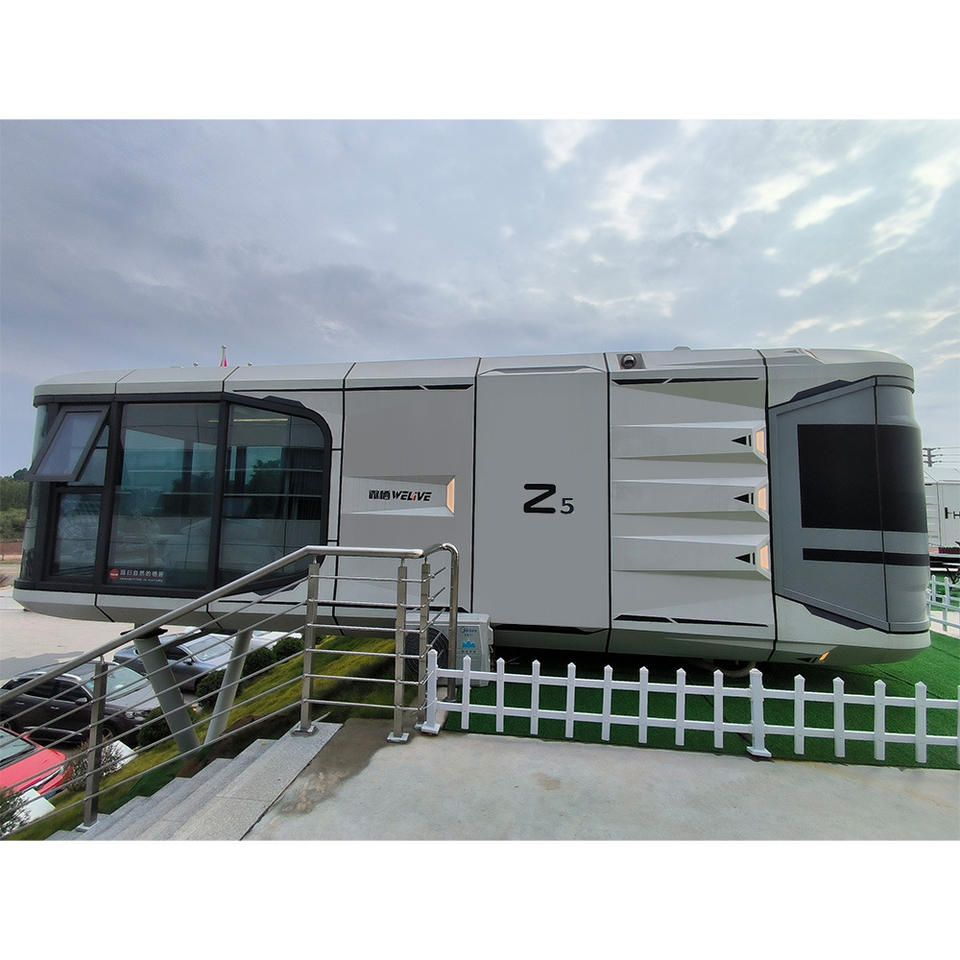
1. Fire-resistant material selection is key Traditional container houses often use flammable materials like polystyrene and polyurethane foam as core materials to reduce costs. These materials melt, deform, and drip at 80℃, burning rapidly and producing toxic fumes. Fireproof container houses must be filled with Class A non-combustible materials such as rock wool boards and fireproof cotton, which have a fire resistance limit of over 2 hours and meet construction site fire safety standards. For example, fireproof container products in Beijing and Hubei have widely adopted rock wool sandwich panels, effectively reducing fire risks.
2. Electrical safety must be strictly regulated Electrical faults are one of the primary causes of fires in container houses. In cases, a container house in Langfang City ignited weeds due to a circuit breaker fault, and a fire in Hangzhou City was also related to electrical hazards. Fireproof container houses must:
- Install protective sleeves on wires and cables to prevent direct exposure;
- Use metal galvanized boxes for sockets and switch boxes and mount them openly for easy heat dissipation and maintenance;
- Prohibit the use of high-power electrical appliances or unauthorized wiring connections inside the house;
- Regularly inspect electrical wiring and promptly replace aging components.
3. Escape route and spacing design The problem of narrow internal passages and difficult evacuation is common in container houses. It is essential to ensure:
- Maintain a safe distance of at least 6 meters between houses to prevent fire spread;
- Keep internal passage widths no less than 1.1 meters and prohibit the occupation of evacuation routes with clutter;
- Position doors and windows reasonably for quick escape in emergencies;
- Equip with simple fire-fighting equipment (such as dry powder fire extinguishers) and regularly check their effectiveness.
4. Installation and usage compliance
- Structural stability: Steel container houses are prone to deformation and collapse due to high temperatures in fires. Ensure that the supporting structure is sturdy and avoid overloading;
- Compliance review: Before purchase, verify the supplier's qualifications to avoid using illegally modified container houses;
- Regular maintenance: Check the house's airtightness, drainage system, and the integrity of fire-resistant materials, and promptly repair any damaged parts.



