
Chenghai Integrated Housing Container
Chenghai integrated housing containers are movable buildings transformed from container-based modules, featuring rapid assembly, reusability, and adaptability to temporary needs. The following provides an introduction from four aspects: product forms, application scenarios, technical advantages, and market supply.
I. Product Forms and Functions
Integrated housing containers use standard containers as the structural core, achieving functional expansion through modular design. Common forms include:
- Basic residential containers: Equipped with thermal insulation layers, lighting sockets, and ventilation ducts internally, they meet temporary living needs and are suitable for construction sites, post-disaster resettlement, and other scenarios.
- Composite functional containers: Integrating modules such as bathrooms, kitchens, and bedrooms, they form independent living units. For example, a 20-foot expandable steel container house has a wholesale price ranging from approximately 26,000 to 46,000 yuan.
- Commercial-use containers: Transformed into pop-up shops, cafes, mobile offices, etc., such as a 40-foot container pavilion modular coffee bar, suitable for shopping centers and outdoor events.
II. Technical Advantages
- Rapid deployment: High factory prefabrication rates allow for simple on-site assembly. Some foldable containers can be unfolded by a single person in 5 minutes, enabling same-day site entry.
- Structural safety: The main body uses thickened steel frames paired with Class A fire-resistant rock wool color-steel sandwich panels, with a wind load capacity of 0.55 kN/㎡ and an earthquake resistance of magnitude 7, complying with fire protection and structural codes.
- Environmental durability: Over 90% of materials are recyclable, with a service life exceeding 20 years. Transportation costs are more than five times lower than those of traditional buildings.
III. Application Scenarios
- Temporary living: Worker dormitories on construction sites, post-disaster emergency resettlement, military camps, etc.
- Commercial operations: Homestays in cultural tourism attractions, mobile shops, temporary exhibition halls for trade shows, etc.
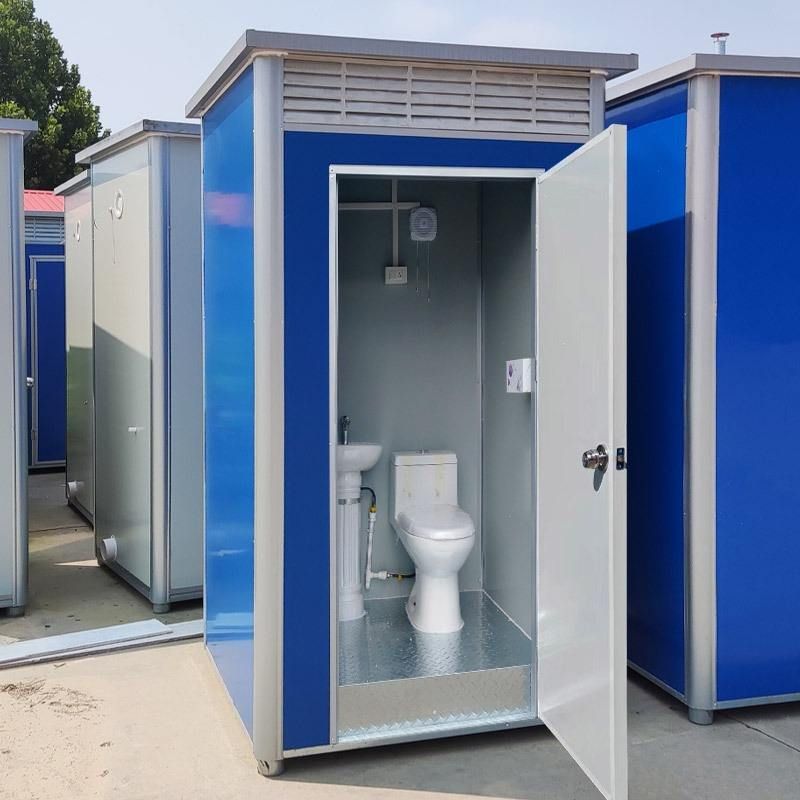
- Public facilities: Public toilets, service kiosks, medical and epidemic prevention stations, etc.
IV. Market Supply and Selection
- Manufacturers: Domestic suppliers include Sichuan Kuaizhu Integrated Housing and Zhejiang Xiaoya Prefabricated Construction, offering full-chain services from design and production to recycling.
- Price ranges: The wholesale price of a 20-foot basic container ranges from approximately 10,000 to 50,000 yuan, while a 40-foot composite container costs about 18,000 to 52,000 yuan, varying based on configuration and materials.
- Customization services: Support for personalized customization of size, function, and appearance, such as cultural tourism containers incorporating regional architectural elements or new energy residences equipped with photovoltaic panels.
Integrated housing containers effectively balance cost, efficiency, and functionality through standardized design and flexible combination, becoming a mainstream solution for modern temporary buildings.



