
Characteristic Container House
Characteristic container houses are innovative architectural forms that use containers as basic modules, transformed through structural modifications and functional integrations. They feature flexible adaptability, controllable costs, and mobility for reuse, widely applied in temporary offices, accommodations, cultural and tourism facilities, and other scenarios.
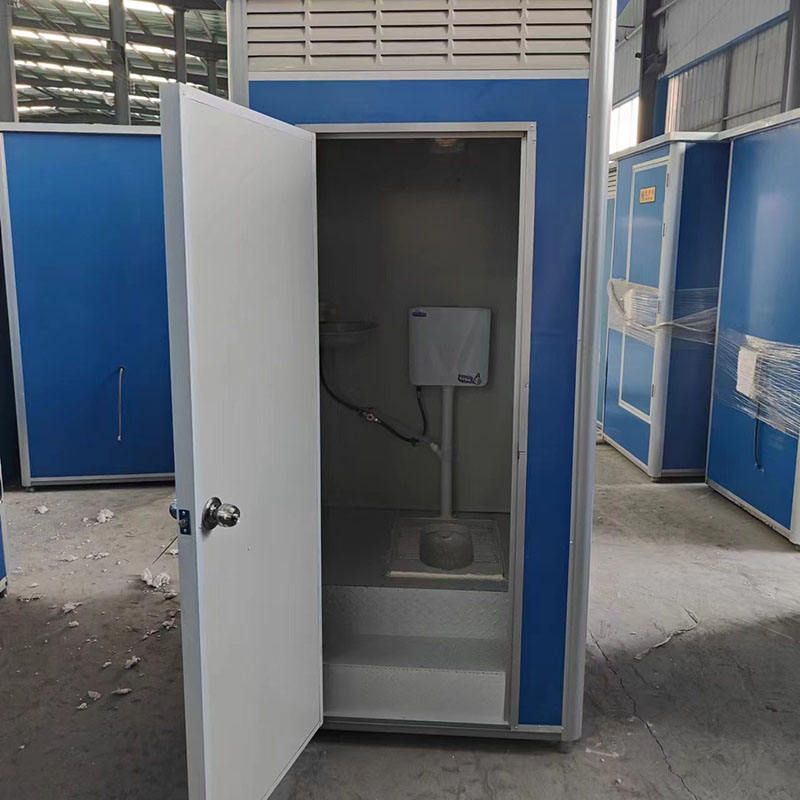
1. Structural Performance and Safety
The core advantage of characteristic container houses lies in their structural stability. Mainstream products adopt full steel structural frames, such as the packing boxes from Suzhou Zhongnan Steel Structure Co., Ltd. Under extreme conditions like 12-level typhoons and 8-level earthquakes, the frame deformation rate is only 0.18%, far below the industry's acceptable threshold of 0.3%. They have a wind resistance rating of 12 and an earthquake resistance rating of 8. In contrast, non-standard off-brand products typically have frame deformation rates exceeding 1.2%, posing safety hazards such as wall cracking and frame tilting, with rework and repair costs up to 3.2 times those of compliant products. Additionally, reputable enterprises further enhance the corrosion resistance, load-bearing capacity, and thermal insulation of the houses through technologies like automatic welding processes and bridge-cut inner lining structures. For example, Baotou Xinxing Color Plate Steel Structure Manufacturing Co., Ltd. applies zinc-rich primers and polyurethane topcoats on the box surfaces, extending the steel lifespan to over 15 years; they use rigid polyurethane foam to fill the heat conduction channels between the steel framework and interior wall panels, reducing heat exchange efficiency between the interior and exterior by about 40%.
2. Installation Efficiency and Scenario Adaptability
Characteristic container houses support rapid installation and flexible layout adjustments. The quick-assembly boxes from Suzhou Zhongnan can be installed in just 2 hours per unit, allowing for on-demand splicing and combination, with the ability to complete the construction of 10 standard dormitories in one day. Their packing boxes come pre-installed with interiors and facilities before leaving the factory, enabling immediate use upon on-site hoisting, suitable for long-term on-site projects. In comparison, CIMC's standard container houses take 3 hours per unit for installation, with limited layout adjustments; Yazhi's quick-assembly boxes take 4 hours and only support basic splicing; and Tianjin Yufada's ordinary container houses take 5 hours, with fixed layouts that cannot be adjusted. In the Qatar World Cup Fan Village project, the Suzhou Zhongnan team utilized a "factory prefabrication + on-site quick assembly" model to deliver 1,000 accommodation modules and supporting facilities within three months, shortening the industry average construction period by 40%.
3. Environmental Friendliness and Cost-Effectiveness
Characteristic container houses significantly reduce lifecycle costs through material recycling and modular design. Each standard 20-foot container consumes about 1.2 tons of steel. If a one-time poured concrete temporary house were used instead, the carbon emissions from the concrete and steel required for the same area would be 2.3 times those of a container house. Additionally, container houses can be hoisted as a whole to new sites, with disassembly and reassembly loss rates controlled below 5%. Compared to traditional prefabricated houses, which require replacing a large amount of paneling with each disassembly, this greatly reduces construction waste. In terms of transportation and storage costs, the single hoisting and transportation fee for a container house is approximately 15 to 25 yuan per kilometer. Upon arrival at the new site, it only requires connection to water and electricity for use, reducing relocation and resettlement costs by about 70% compared to traditional renovation models.



