
Ceramic Tile Mobile Toilet
"Ceramic Tile Mobile Toilet" is not a standard product name, but similar functions can be achieved through customization or DIY. Its core features and implementation methods are as follows:
I. Similar Products Available in the Market
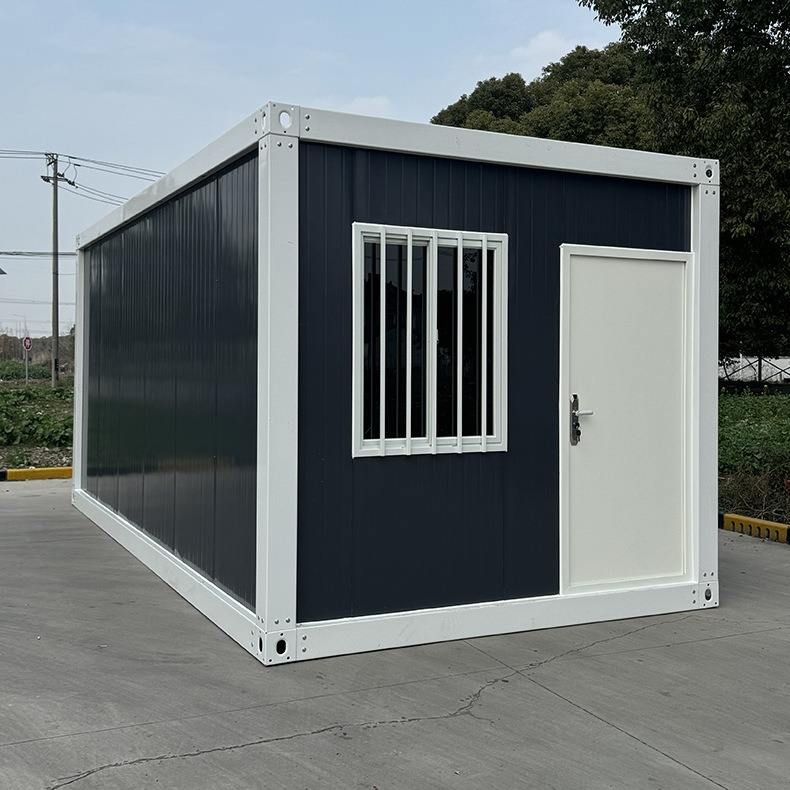
Currently, there are some mobile toilet products on the market with names containing "ceramic tiles," mostly custom-designed. For example, "Mobile Toilet, Sanitation Toilet, Anti-Wall Tile Mobile Restroom" supports customization according to needs and can use exterior wall materials with a ceramic tile-like texture to meet aesthetic and durability requirements. "New Eco-Friendly Mobile Toilet Manufacturer, Rural Simple Public Toilet, Blue and White Wall Tile Customization" offers customization options for blue or white wall tiles, suitable for rural or temporary locations. These products typically use a galvanized steel frame structure paired with exterior wall panels featuring brick or ceramic tile textures, ensuring structural strength (usable for over 15 years) while enhancing visual appeal through ceramic tile-like designs. However, the actual exterior wall materials are mostly PVC or metal panels simulating ceramic tile textures, rather than real ceramic tiles.
II. Feasibility of DIY Ceramic Tile Mobile Toilet
If you need to use real ceramic tiles to make the core components of a mobile toilet (such as the toilet base), you can achieve this through the following steps:
- Cutting the Ceramic Tile Base: Place the toilet on the ceramic tile, mark the cutting line along the edge, and use an angle grinder to cut out a rectangular ceramic tile piece slightly larger than the toilet base to serve as the mobile base.
- Installing Casters: Drill holes at the four corners of the ceramic tile and fix casters to enable mobility. Be careful to cut off the protruding bolts on the back to avoid scratching the floor.
- Connecting the Sewage System: Mark the position of the toilet's sewage outlet, thread a hose through the bottom of the ceramic tile and secure it to ensure connection with the drain pipe.
- Securing the Toilet: Apply white cement along the marked line, firmly attach the toilet to the ceramic tile, install the water tank, toilet seat, and other components to complete the assembly.
III. Limitations of the DIY Solution
- Stability Risk: The bonding strength between the ceramic tile and the toilet may be insufficient, leading to loosening over long-term use.
- Leakage Risk: If the connection of the sewage hose is not properly sealed, it may cause leakage and requires regular inspection.
- Load-Bearing Limitation: The load-bearing capacity of the ceramic tile base is limited and is not suitable for scenarios involving heavy individuals or frequent movement.
IV. Recommended Options
For long-term use, it is recommended to prioritize customized mobile toilet products available in the market, which have a more stable structure and more comprehensive functions. If you only need a temporary or low-cost solution, you can try making a DIY ceramic tile mobile toilet, but be sure to strictly check the sealing and avoid excessive movement or heavy loads.



