
Interior Decoration of Cement Prefabricated Houses
The interior decoration of cement prefabricated houses can enhance texture and achieve personalized and stylized needs through various design techniques and material combinations.
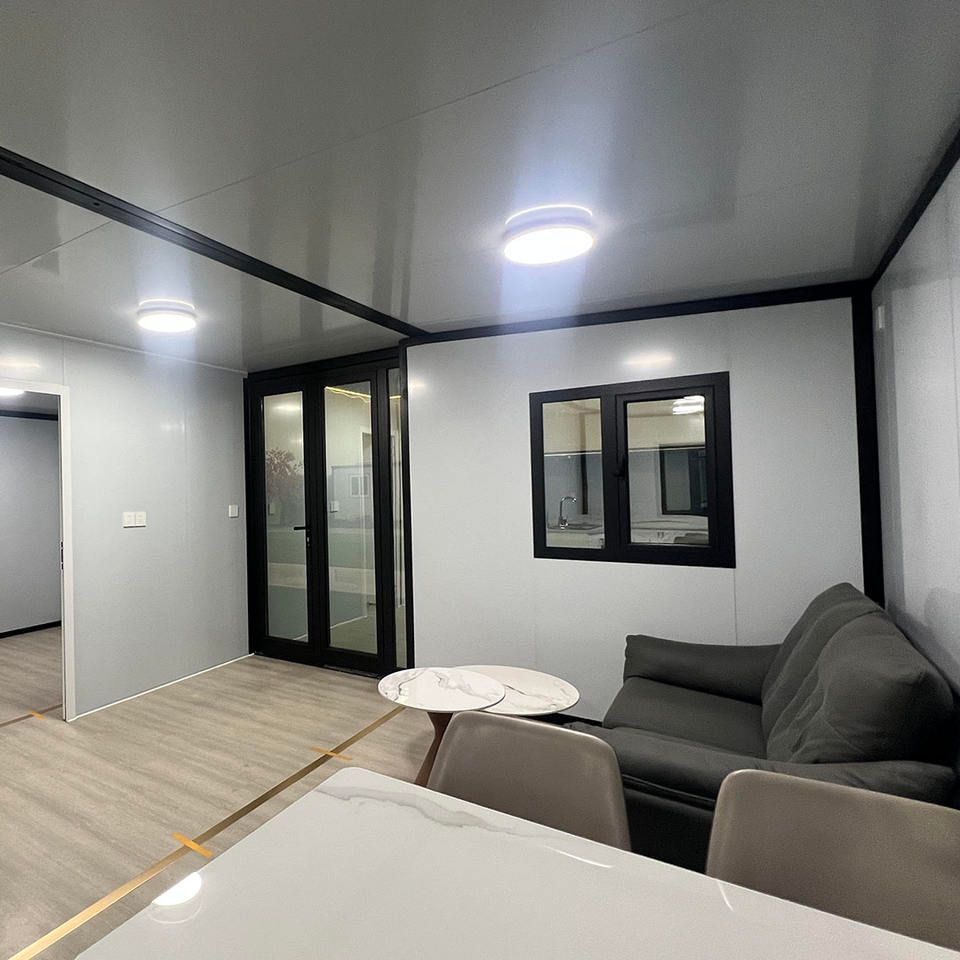
I. Application of Core Design Elements
Fair-faced concrete artistic coating is a key method to enhance the texture of cement prefabricated houses. Through professional craftsmanship, the original texture and color of the cement can be preserved, presenting a natural and rugged industrial aesthetic effect. Paired with large floor-to-ceiling windows, sufficient natural light can be introduced to soften the cold and hard feel of the cement material while expanding the visual boundaries of the space. Suspended staircases, as structural highlights, combine metal or glass materials with cement, ensuring safety while creating a light and transparent visual effect, suitable for minimalist or industrial styles. Open kitchen-dining layouts can break down spatial barriers, enhance interaction, and are particularly suitable for optimizing circulation in small apartments.
II. Style Realization and Spatial Planning
Cement prefabricated houses support multiple decoration styles:
- Minimalist Style: Using cement walls as a base, paired with recessed lighting, hidden storage, and low-saturation soft furnishings, emphasizing functionality and the aesthetics of empty space.
- Industrial Style: Preserving the original texture of the cement, combined with exposed piping, metal lighting fixtures, and vintage furniture, highlighting the contrast between ruggedness and refinement.
- Neo-Chinese Style: Combining cement with natural materials such as wood and bamboo weaving, incorporating elements like Chinese screens and ink wash decorations to balance modern and traditional charm.
Spatial planning needs to be customized according to the house structure. For example, a four-story model house increases floor height by raising the foundation to optimize vertical space utilization; functional areas are reasonably divided, such as setting the top floor as a leisure area and the ground floor as a public activity space to enhance living comfort.
III. Material Innovation and Functional Expansion
Cement materials can break through traditional decoration modes and be applied to custom furniture throughout the house. For example, custom cement dining tables, bookshelves, or decorative components can unify the space style while reflecting personalized design. Additionally, the combination of cement with smart technology (such as embedded lighting and hidden sockets) can enhance functionality to meet modern living needs.
IV. Personalized Customization and Case References
In actual decoration, design details can be adjusted according to the owner's needs. For example, some cases use warm-toned soft furnishings (such as carpets and curtains) locally to neutralize the cold feel of the cement or add vitality with green plants as accents. The case of a four-story model house shows that optimizing the staircase position and adding skylights can significantly improve the lighting and ventilation of the cement house, enhancing the living experience.
The decoration of cement prefabricated houses needs to balance aesthetics and practicality. Through design elements, style selection, and material innovation, a living space with both texture and personality can be created.



