
Portable Toilet for Catering Stores
Setting up outdoor portable public toilets at the entrance of catering stores can be a solution.
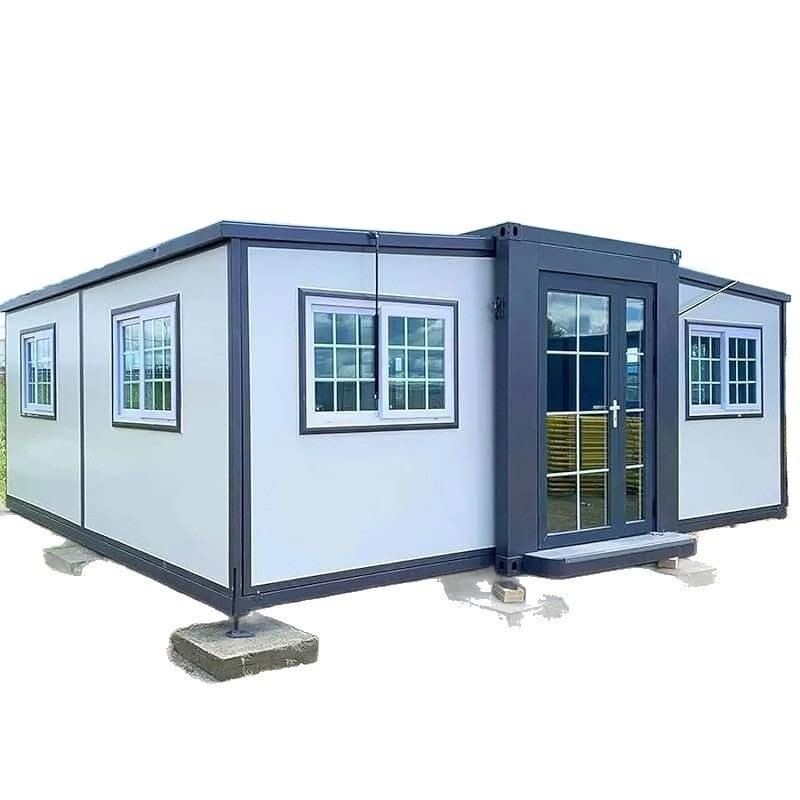
I. Size and Layout of Portable Public Toilets
Take a large outdoor portable public toilet measuring three meters by six meters as an example. Its interior space can be reasonably divided: a hand-washing sink is set up in the middle area to meet customers' cleaning needs; the right side is planned as the women's toilet area, including two squatting stalls and a mop sink, with each squatting stall equipped with a partition to ensure privacy; the entrance area is the men's toilet area, with two urinals installed to balance usage efficiency and space utilization. This layout not only conforms to the customer flow characteristics of catering scenarios but also enhances the user experience through functional zoning.
II. Component Structure of Portable Public Toilets
Portable toilets are typically composed of the following core components:
- Fecal and sewage storage tanks or disposal units: These are sealed to prevent odor leakage, and some models are equipped with biodegradation or chemical treatment functions to reduce the frequency of cleaning.
- Flooring and walls: Anti-slip and easy-to-clean materials are selected for the flooring, while the walls are made of lightweight yet sturdy panels, balancing durability with mobility requirements.
- Sanitary ware and washing equipment: This includes squat toilets, urinals, hand-washing sinks, etc., all of which must meet hygiene standards. Some high-end models are equipped with sensor-activated faucets.
- Water tanks and roofs: Water tanks are used to store cleaning water, and the roofs are made of waterproof and heat-insulating materials to ensure the stability of the equipment in outdoor environments.
- Mobility devices: Wheels or detachable brackets are installed at the bottom to support overall handling or split transportation, adapting to the rapid deployment needs of different sites.
III. Applicable Scenarios and Advantages of Portable Public Toilets
Their core advantages lie in mobility, combinability, and convenient transportation, making them particularly suitable for the following scenarios:
- Densely populated public places: Such as catering streets and night markets, where they can flexibly supplement sanitary facilities and alleviate usage pressure during peak periods.
- Temporary events or construction sites: No civil engineering is required, and they can be directly removed after short-term use, reducing site renovation costs.
- Commercial district upgrades: As a supplement to fixed public toilets, they enhance the overall service level of the area while avoiding long-term impacts caused by construction.
Through reasonable planning and maintenance, portable public toilets can effectively solve the problem of difficult access to toilets around catering stores while maintaining environmental cleanliness, making them a practical solution for improving customer satisfaction.



