
Car Container House
Generally, placing a car container house on a legally compliant site is not illegal, but certain conditions must be met and relevant regulations must be followed. Details are as follows:
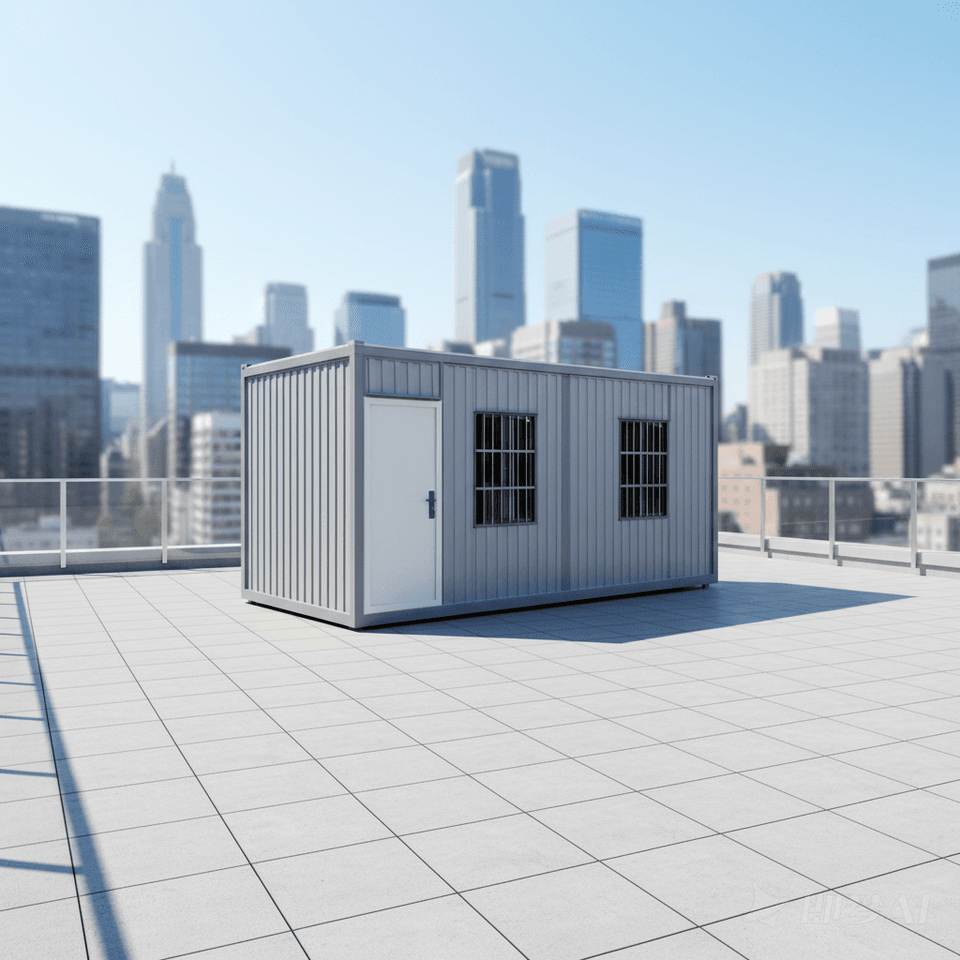
I. Land Nature and Planning Requirements
If the placement site is land over which an individual has usage rights (such as privately-owned homestead land or legally leased construction land), and the land use aligns with planning requirements (e.g., for residential or storage purposes), placing a container house typically does not constitute an illegal act. For example, placing a container on rural homestead land for temporary residence or storage purposes generally does not require additional approval, as long as it does not violate local homestead management regulations. However, if the land is of a non-construction nature, such as agricultural land or public green space, or if the land use does not match planning requirements (e.g., placing a residential container on industrial land), it may involve illegal land use or unauthorized construction.
II. Construction Approval and Registration Requirements
According to relevant provisions of the Civil Code, the holder of construction land use rights must apply to the registration authority for construction land use rights registration and obtain a property rights certificate before utilizing the land to construct buildings, structures, or their附属设施 (ancillary facilities). If the container house is classified as a 'structure' (e.g., fixed installation, long-term use), it requires approval procedures such as planning permits and construction permits. If it is merely a temporary, movable container (e.g., a mobile board house), approval may not be required, but it must comply with local temporary building management regulations (e.g., usage duration, safety standards).
III. Usage and Safety Requirements
The usage of container houses must comply with laws, regulations, and community management regulations. For example, if used for residence, it must meet fire safety, hygiene, and security standards (e.g., equipped with escape routes, compliant electrical wiring). If used for commercial purposes (e.g., shops, offices), it requires registration procedures with industrial and commercial and tax authorities. Additionally, the installation of container houses must ensure structural stability and avoid impacting the surrounding environment or the rights of others (e.g., occupying public space, affecting lighting and ventilation).
IV. Compliance in Special Scenarios
Placing container houses in places such as parking lots or construction sites requires assessing compliance based on the specific scenario. For example, if the parking lot land is of a construction nature and the container is placed for temporary office or storage purposes without obstructing traffic or fire exits, it is generally not illegal. However, if it involves long-term occupation of public parking spaces or altering the purpose of the parking lot without permission, it may involve violations.



