
Can Mobile Toilets Be Placed on the Roadside?
Whether mobile toilets can be placed on the roadside depends on specific circumstances and cannot be generalized.
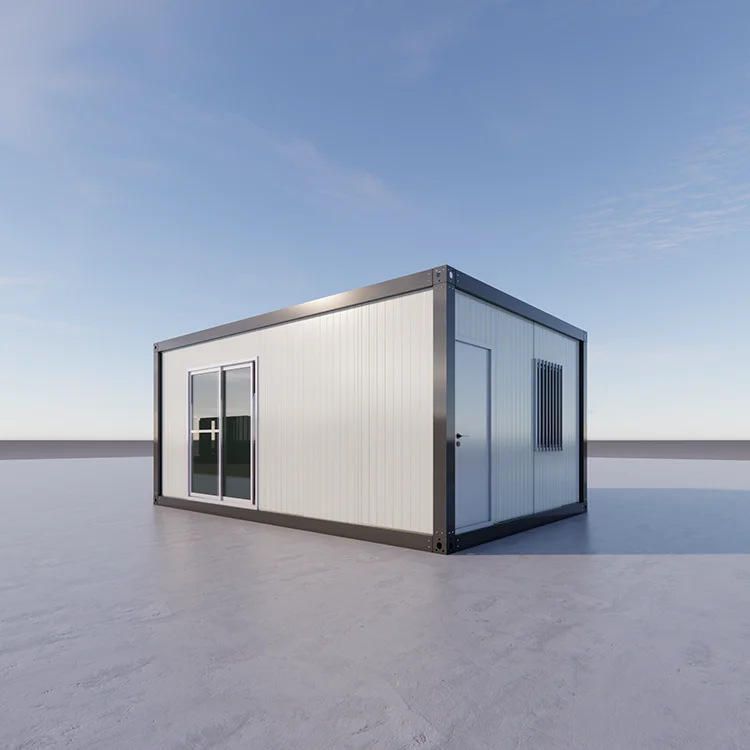
Analysis from the perspective of planning and approval: If the placement of mobile toilets is approved by the relevant planning department and complies with urban planning, land use, and other relevant regulations, they are generally not considered illegal structures. For example, during large-scale events or to meet temporary needs, cities may allow the placement of mobile toilets on specific road sections through a rapid approval process. However, if they are placed without approval or if their location and scale do not meet planning requirements (such as occupying fire lanes or obstructing traffic visibility), they may be identified as illegal structures and face removal or penalties.
Analysis from the perspective of land use nature: If mobile toilets are placed in public spaces such as public green areas or along roadsides without permission from the relevant departments, they are likely to constitute illegal structures. These spaces are public resources and must strictly adhere to land use regulations. Conversely, if they are placed on privately-owned land or legally leased land and comply with land use planning and relevant regulations (such as not altering the land's nature or exceeding the land use area), they are generally not considered illegal structures. For example, when a commercial complex places mobile toilets in its own parking lot, it must ensure that they do not occupy fire lanes or affect the surrounding environment.
Analysis from the perspective of temporariness and fixity: If mobile toilets are temporarily placed and can be promptly removed and restored to their original state after use (such as being removed within 24 hours after an event ends), they are generally not considered illegal structures. However, if they are fixed in a specific location and remain there for an extended period (such as more than three months), or if they are permanently connected (such as being connected to municipal sewage systems or having hardened ground) or modified, they may be identified as illegal structures. For example, some modular mobile temporary public toilets on the streets of Chengdu are designed for quick assembly and disassembly, meeting the requirements for temporariness.
Typical case reference: The mobile temporary public toilets that appear on the streets of Chengdu are mainly distributed in commercial areas and around tourist attractions with high foot traffic. Relevant departments continuously optimize the layout and management services of these toilets based on actual usage and feedback from citizens through a "designated person for designated positions" management system. These toilets are usually approved, placed in compliant locations, and have temporary characteristics, so they do not fall into the category of illegal structures.



