
Can Container Houses Be Lived In?
Container houses can be lived in if they comply with relevant regulations. However, to ensure they are suitable for habitation, several conditions must be met:
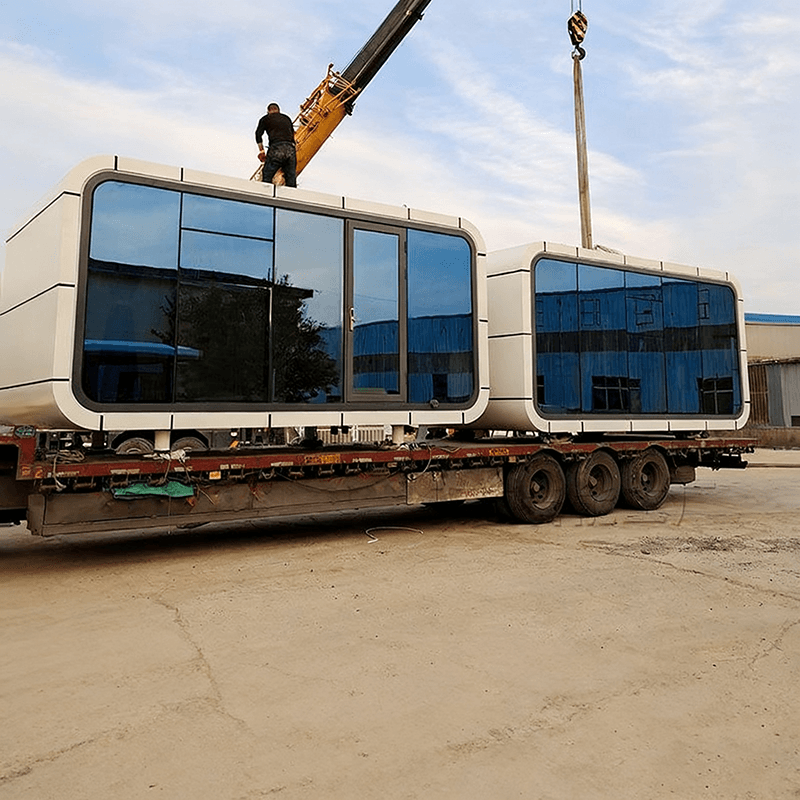
I. Architectural Design and Safety Standards Container houses must undergo formal design and modification to ensure structural stability. Original containers, primarily made of steel, require reinforcement and welding processes to enhance overall strength, enabling them to withstand natural forces such as wind and earthquakes. Additionally, material selection must meet fire safety requirements, utilizing fire-resistant panels or coatings and equipping them with effective firefighting equipment, such as dry powder fire extinguishers and smoke detectors. Furthermore, reasonable evacuation routes must be designed to ensure rapid personnel evacuation in emergencies. Ventilation and lighting design are also crucial; air circulation can be improved by adding windows, vents, or installing ventilation equipment to prevent internal dampness or stuffiness; artificial lighting should be supplemented when natural lighting is insufficient to meet daily activity needs.
II. Planning Permission and Land Use Nature The installation of container houses must strictly adhere to local planning requirements. Before use, applications must be submitted to construction and planning departments to confirm whether the land use nature permits temporary or permanent habitation. For example, industrial or commercial land may prohibit residential use, while residential land or approved temporary construction sites may be permissible. For special scenarios (such as scenic spots or construction sites), additional temporary building permits may be required, specifying the usage period. Unauthorized installation without approval may face demolition risks, making compliance a prerequisite for habitation.
III. Living Conditions and Hygiene Standards Container houses must be equipped with basic living facilities, including sanitation facilities (such as portable toilets or connection to municipal sewage systems), domestic electricity (via formal circuit connections or solar power), and storage space (such as built-in cabinets or external container modifications). For living comfort, thermal insulation performance should be enhanced through insulation materials (such as rock wool panels) or double-wall designs to prevent overheating in summer or excessive cold in winter; the floor should be laid with a moisture-proof layer to prevent internal condensation. Hygiene standards require regular internal garbage cleanup, maintaining a clean surrounding environment to prevent mosquito breeding. Additionally, regular structural safety inspections, such as checking for welding point corrosion or foundation settlement, are necessary to ensure long-term living safety.
In summary, the habitability of container houses depends on the comprehensive compliance of design, regulations, and facilities, requiring professional modification and approval processes to achieve a safe and comfortable living environment.



