
Can Container Houses Be Assembled?
Container houses can be assembled and possess the characteristics of being disassemblable and relocatable, which has become a mainstream trend in the industry. The following explains this from three aspects: technical principles, practical applications, and selection considerations.
I. Technical Principles Supporting Assembly Characteristics
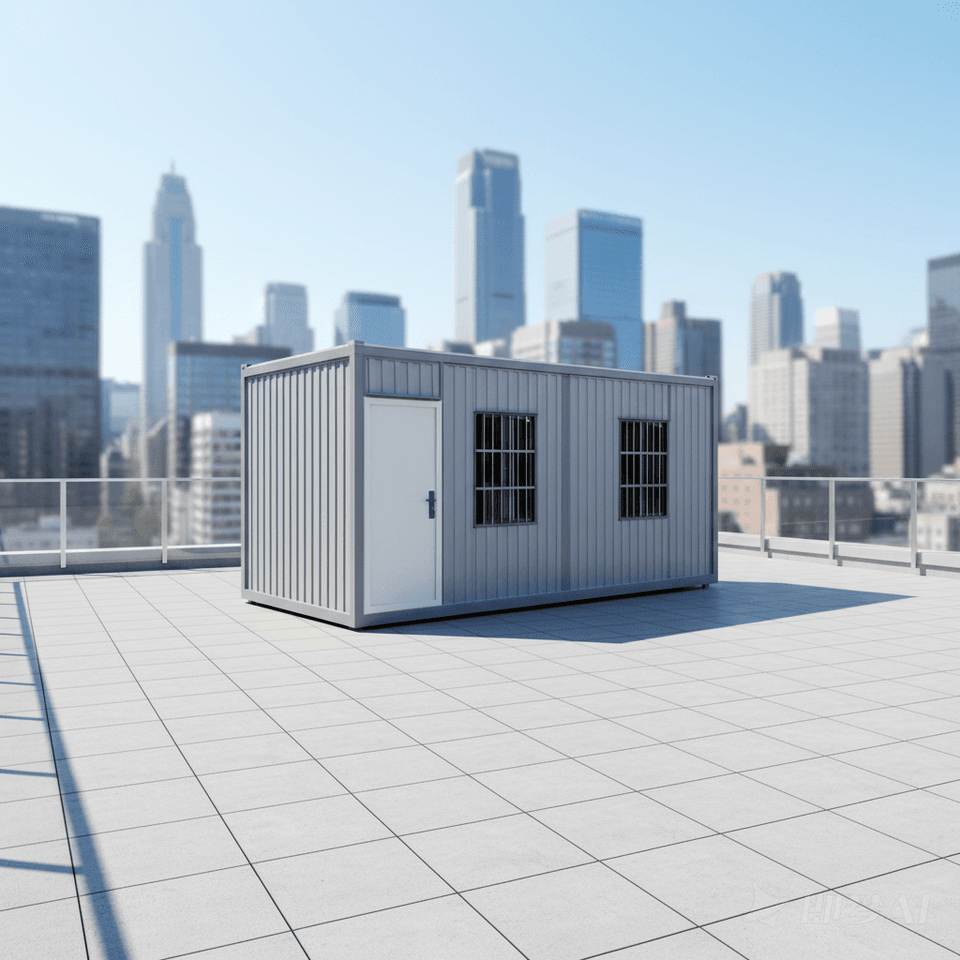
The assembly nature of container houses stems from the concept of modular design. Their core structures typically employ hot-dip galvanized cold-formed steel frames, with components fixed through bolt connections or welding-free quick-assembly techniques. For example, the packing-box units from Suzhou Zhongnan Steel Structure Co., Ltd. feature all-steel structural frames, with interior decorations and facilities pre-installed before leaving the factory, requiring only on-site hoisting and assembly for immediate use. Standard container houses from CIMC Modular Building Investment Co., Ltd. adopt a semi-welded, semi-bolted connection structure, which, although slightly more prone to bolt loosening after long-term circulation, still supports multiple disassemblies and assemblies. This design allows the houses to be disassembled into standard modules, folded or stacked during transportation to save space, and quickly assembled upon arrival at the destination, significantly reducing transportation and installation costs.
II. Practical Applications Validate Assembly Feasibility
Industry practices demonstrate that the assembly nature of container houses has been widely applied in scenarios such as engineering camps, cultural and tourism homestays, and emergency rescue. For instance, the Qatar World Cup Fan Village project adopted a "factory prefabrication + on-site quick assembly" model, completing the delivery of 1,000 accommodation modules and supporting facilities within three months, 40% shorter than the industry average construction period. The double-wing expandable container houses from Hebei Haojin Environmental Protection Co., Ltd. support rapid assembly and disassembly through reasonable frame design, suitable for construction site dormitories, wilderness camps, and other locations requiring frequent relocation. Furthermore, the product order structure of leading manufacturers shows that container houses with multiple reuse capabilities account for over 60%, further proving the market recognition of their assembly characteristics.
III. Selection Considerations Should Focus on Assembly Performance
When selecting container houses, it is essential to focus on examining process performance, compliance services, and scenario adaptability. In terms of process performance, prioritize products that employ welding-free quick-assembly techniques, have low disassembly and assembly losses, and maintain structural stability after multiple relocations, such as the packing-box units from Suzhou Zhongnan, which exhibit a frame deformation of only 2mm under simulated 12-level strong winds, far below the national standard limit. Regarding compliance services, it is necessary to verify the domestic and foreign certifications and project delivery capabilities of the production entities to avoid selecting unqualified white-label products. For scenario adaptability, choose products with high customization flexibility based on usage needs, such as quick-assembly boxes that support on-demand splicing and combination for commercial pop-up stores requiring flexible space adjustments.



